
Category: Taxes Made Simple
-
The IRS will not require excise tax reporting or assert penalties on taxable dyed diesel use from October 1 through December 31
The Internal Revenue Service has told fuel users they do not have to file or keep records for one excise tax on taxable dyed diesel use this fall. In release IR-2026-125, dated October 21, the IRS said it will not assert civil penalties or additions to tax for those reporting and recordkeeping failures. The relief…
-
Trump’s White House calls it no tax on Social Security, but the IRS says people 65 and older get a $6,000 deduction through 2028 that phases out above $75,000
The White House headlines it “No Tax on Social Security,” but the 2025 budget law did not end the tax on benefits. What it added, the Internal Revenue Service says, is an extra $6,000 deduction for people 65 and older that applies for 2025 through 2028 and shrinks for higher earners. The label appeared again…
-
Connecticut exempts Social Security from state tax below $75,000 in income, $100,000 for couples
Connecticut does not tax Social Security benefits for most retirees, but the exemption has income limits. The state Department of Revenue Services says benefits are fully exempt when federal adjusted gross income is under $75,000 for single filers and under $100,000 for married couples filing jointly. Above those lines, the exemption shrinks. Where the $75,000…
-
The IRS lets retirees who turn 73 in 2026 wait until April 1, 2027 for their first required withdrawal, but then two are due in one year
Retirees who turn 73 in 2026 get a choice that comes with a catch. The IRS lets them wait until April 1, 2027 to take their first required withdrawal from a traditional retirement account. Waiting means two withdrawals land in the same calendar year, the first by April 1 and the second by December 31,…
-

The IRS replaced IRS2Go with a free app for refunds, payments and notices
The IRS has replaced its IRS2Go phone app with a new, free IRS app that lets taxpayers see refund status, payments and select notices on a phone. The agency announced the change on September 25 in news release IR-2026-114, saying IRS2Go “becomes IRS app.” People who already use IRS2Go do not need a second download.…
-

Farmland owners who sell to an active farmer could pay the tax in yearly installments under proposed IRS rules for Trump’s 2025 law, with comments due November 30
Farmers and landowners who sell farmland to someone who actually farms it could be allowed to pay the tax on the gain over four years instead of in one bill. Treasury and the IRS put the proposed rules out on September 28, and written comments must be received by November 30, 2026. The installment option…
-

The IRS charges a 25% excise tax on a 2026 required minimum distribution that retirees 73 and older have not taken by December 31, unless it is their first
Retirees who are 73 or older and have not yet pulled their 2026 required minimum distribution have until December 31 to do it. The IRS says the amount not withdrawn may be subject to an excise tax of 25%. With the calendar at October 22, that leaves 70 days. A required minimum distribution, or RMD,…
-
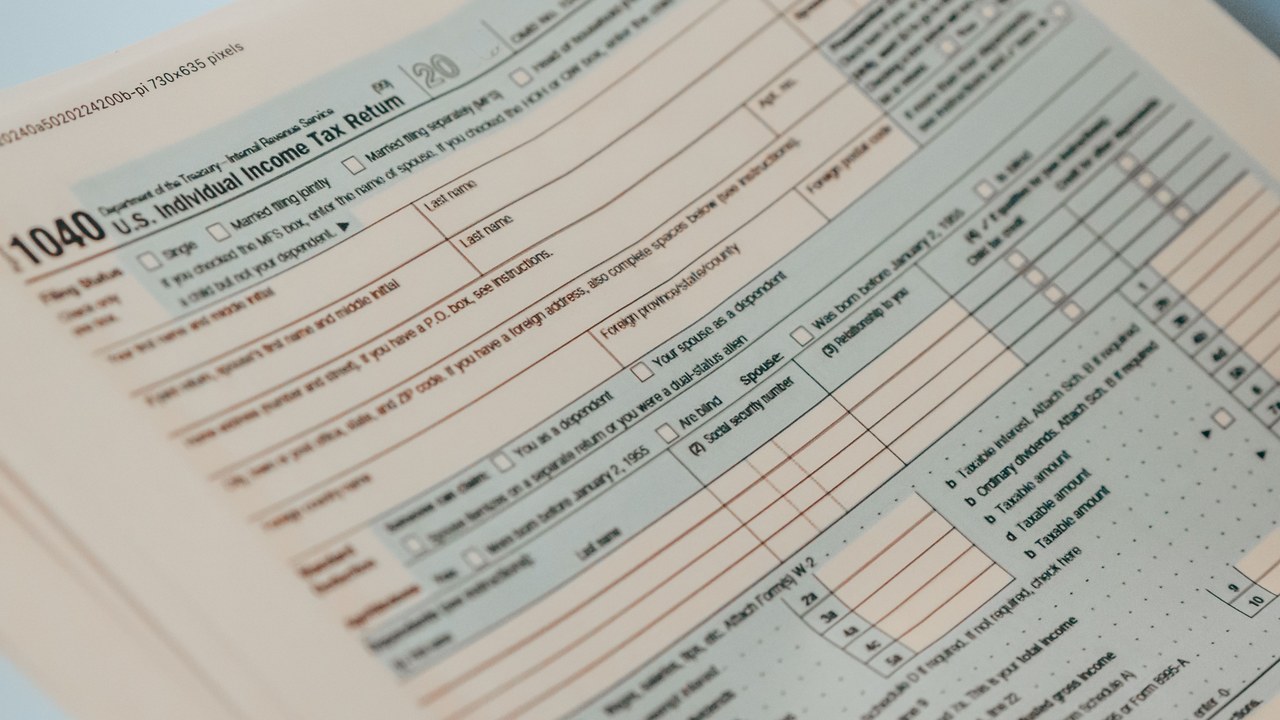
The IRS says people who never filed a return, or have not filed in over six years, may need another way to pay than free Direct Pay
Free Direct Pay is the IRS’s no-fee way to pay a federal tax bill from a bank account, but it has a catch for people who are behind on filing. In a September 10 news release, the IRS said taxpayers who have never filed a tax return, or who have not filed in more than…
-

Knox County, Nebraska storm victims get until January 7 to file
The Internal Revenue Service has postponed a long list of tax filing and payment deadlines to January 7, 2027, for people and businesses in Knox County, Nebraska. The relief follows a severe storm that began on September 9, 2026, and the state’s disaster declaration. The IRS announced it on October 14 as notice NE-2026-08. Knox…
-

The IRS wipes a late-filing penalty of any size for filers with three clean years, or twelve straight clean quarters for quarterly filers
The IRS is now erasing failure-to-file, failure-to-pay and failure-to-deposit penalties of any size for taxpayers with a clean three-year record, or 12 consecutive clean quarters for those who file quarterly. The agency announced the Automatic Exemption from Penalty in news release IR-2026-83 on July 8, 2026, and says eligible taxpayers do not have to ask…