
Category: Taxes Made Simple
-

The IRS lets most farmers and fishermen skip 2026 estimated tax payments by filing and paying in full by March 1, 2027
Farmers and fishermen get a choice that most self-employed workers do not: skip the quarterly estimated tax payments for 2026 and settle everything at filing time. The IRS explains the rule in its 2026 Form 1040-ES. A filer who sends the 2026 Form 1040 or 1040-SR by Monday, March 1, 2027, and pays the total…
-

IRS gives typhoon-hit Guam taxpayers until February 4, 2027 to file and pay
Taxpayers in Guam now have until Thursday, February 4, 2027, to file and pay a wide range of federal taxes that came due after Super Typhoon Bavi struck the territory. The IRS announced the postponement on October 14, 2026, in release GU-2026-01. The relief follows the federal disaster declaration number 4946-DR, which covers Guam. The…
-

Sacramento County veterans rated totally disabled can shield up to $271,009 of a home’s value from property tax, but first-time claims are due by December 31
A Sacramento County veteran rated 100 percent disabled can have up to $271,009 of a home’s value taken off the property tax bill for 2026, and a first-time claim for that tax year has to be filed by December 31. That is the top figure in the county assessor’s 2026 table, and it applies to…
-
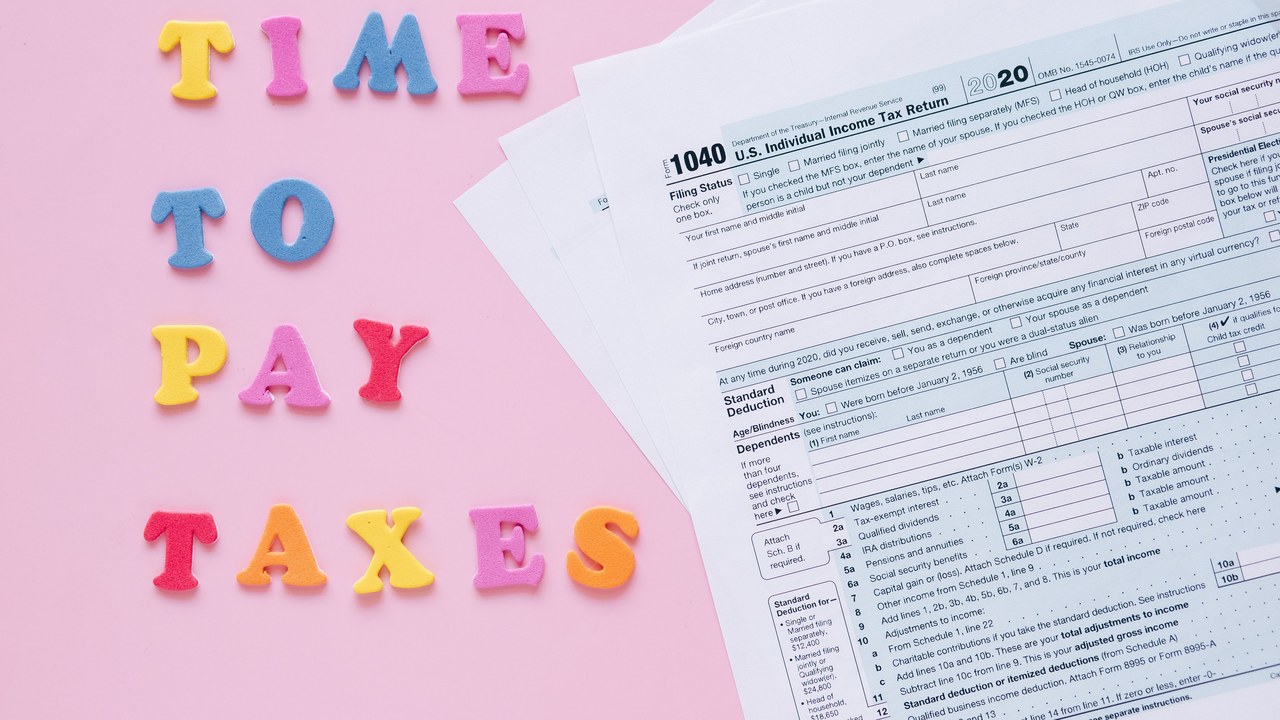
The IRS says people paying quarterly estimated taxes owe the final 2026 installment by January 15, 2027, unless they file and pay in full by February 1, 2027
The fourth and final estimated tax payment for 2026 is due Friday, January 15, 2027. The IRS says so in its 2026 Form 1040-ES, the booklet and vouchers used by people who pay tax during the year instead of through a paycheck. The same form carves out an exception: anyone who files a 2026 return…
-

Tennessee voters decide November 3 whether to ban a statewide property tax
Tennessee voters will be asked on Tuesday, November 3, to write a ban on a statewide property tax into the state constitution. The measure appears on ballots as Amendment 2, and a yes vote would stop the General Assembly from ever creating such a tax. Tennessee does not levy a state property tax today, so…
-

Older and disabled Oregon homeowners with household income up to $70,000 can still file by December 1 to defer property taxes, with a late fee of up to $180
Oregon’s property tax deferral program for senior and disabled homeowners is still taking applications, but only late ones. The Oregon Department of Revenue says late applications for 2026 may be filed with the county from April 16 through December 1, along with a late fee. The program lets a qualifying homeowner borrow from the state…
-
The IRS shuts its online IP PIN tool from mid-November to mid-January
The IRS says its online tool for getting an Identity Protection PIN will go offline in mid-November for annual maintenance and generally come back in mid-January. The agency made the announcement in an October 22 news release, IR-2026-127, aimed at taxpayers who plan to file early in 2027. Anyone who wants an IP PIN for…
-

Voters in seven states decide 12 property tax measures November 3
Property tax is on the ballot in seven states on Tuesday, November 3, and homeowners in Florida, Georgia, Louisiana, North Carolina, Oklahoma, Tennessee and Wyoming will see 12 statewide measures between them. Some would cap how fast a home’s assessed value can climb. Others would widen exemptions or ban a tax outright, and several would…
-

The IRS will not require excise tax reporting or assert penalties on taxable dyed diesel use from October 1 through December 31
The Internal Revenue Service has told fuel users they do not have to file or keep records for one excise tax on taxable dyed diesel use this fall. In release IR-2026-125, dated October 21, the IRS said it will not assert civil penalties or additions to tax for those reporting and recordkeeping failures. The relief…
-
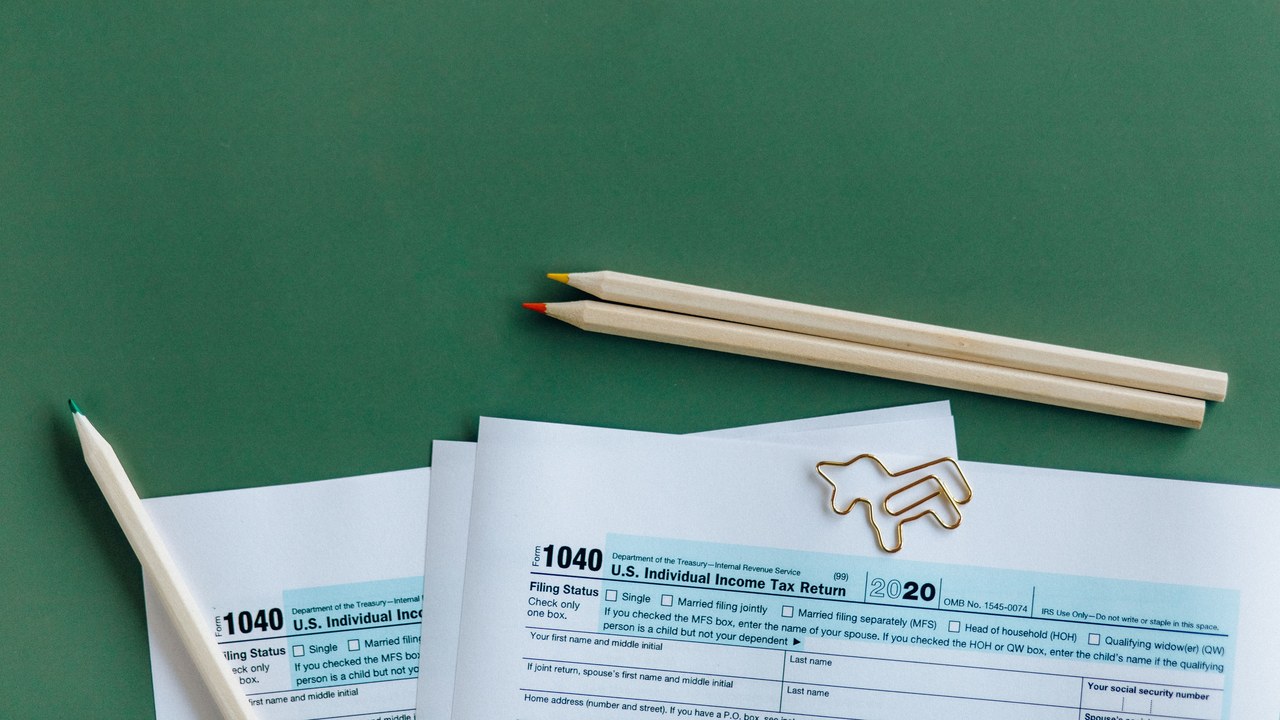
Trump’s White House calls it no tax on Social Security, but the IRS says people 65 and older get a $6,000 deduction through 2028 that phases out above $75,000
The White House headlines it “No Tax on Social Security,” but the 2025 budget law did not end the tax on benefits. What it added, the Internal Revenue Service says, is an extra $6,000 deduction for people 65 and older that applies for 2025 through 2028 and shrinks for higher earners. The label appeared again…