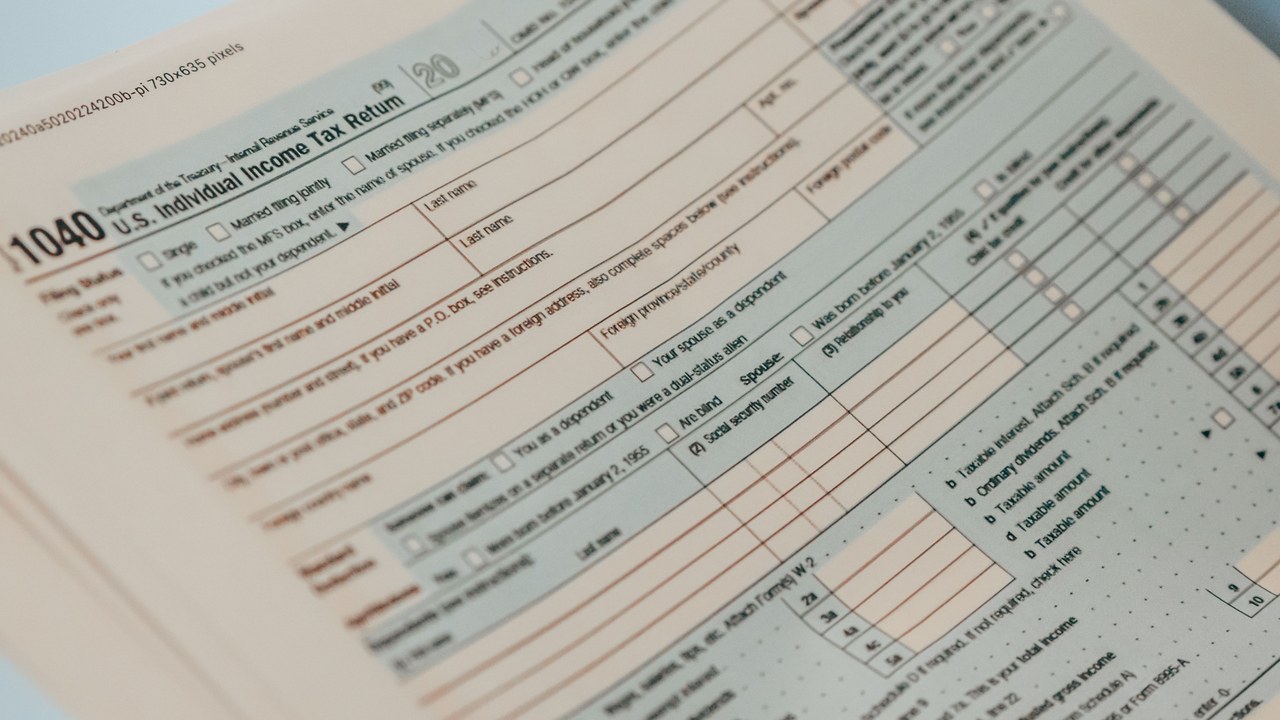
The IRS says its online tool for getting an Identity Protection PIN will go offline in mid-November for annual maintenance and generally come back in mid-January. The agency made the announcement in an October 22 news release, IR-2026-127, aimed at taxpayers who plan to file early in 2027. Anyone who wants an IP PIN for the coming filing season has roughly three weeks, give or take, to use the online route.
The IRS has not given exact days for either end of the shutdown. Its release says the system becomes unavailable “in mid-November” and is “generally available again” beginning in mid-January. In its reminder to take steps now to protect tax information, the agency urges early filers to request an IP PIN before the system closes.
What an IP PIN does
An IP PIN is a six-digit number that prevents someone else from filing a tax return using a person’s Social Security number, according to the IRS page on how to get an Identity Protection PIN. The IRS uses it to confirm identity when a return is filed. A new one is generated every year, and it can be viewed online from mid-January through mid-November. That window is exactly why the maintenance shutdown matters: the tool is open for most of the year and closed for the two months when new numbers are being set up.
The IRS says taxpayers can get an IP PIN even if they are not required to file a federal tax return. Anyone with a Social Security number or an Individual Taxpayer Identification Number who can verify their identity may enroll, and parents and legal guardians can request one for a dependent. Anyone under 18 has to use an alternative enrollment option instead of the online tool.
What changed this year: Social Security and Medicare change every year, and nobody sends you a memo. The Retirement Money Brief breaks down what changed and what to do. Bonus when you subscribe: our IRS Refund Delay Tracker.
Get the Brief and the refund tracker →
We may earn a commission from links on this page.
Should an IP PIN be requested before the tool closes?
For taxpayers planning an early return in 2027, the IRS is saying yes. The online “Get an IP PIN” tool, found in the IP PIN section of an IRS online account, is the fastest route. People without an IRS.gov account have to register and validate their identity first, so anyone who has never set one up should start the registration well ahead of mid-November rather than at the last minute.
Other ways to get one, and how long they take
People who cannot set up an online account have two other routes, and both are slower. Form 15227 is open to filers whose adjusted gross income on the last return was below $84,000 for an individual or $168,000 for a married couple filing jointly. The IRS calls to verify identity, and the PIN arrives by mail, usually within four to six weeks.
The third route is an in-person appointment at a Taxpayer Assistance Center. A person brings one federal or state photo ID and one additional ID, and the PIN usually arrives by mail within about three weeks. Because mail adds weeks, both routes are slower than the online tool.
The IRS will never ask for an IP PIN
IRS Chief Executive Officer Frank J. Bisignano said in the release that protecting sensitive financial information is essential to preventing unauthorized users from getting at it. The IP PIN is one of the tools the agency points to for that purpose.
The same release carries a warning that matters to older taxpayers. The IRS says it will never call, email, text, or contact taxpayers through social media to request their IP PIN. The IP PIN page adds that phone calls, emails or texts asking for one are scams, and that the number should not be shared with anyone.
Scammers like deadlines, and an announced shutdown gives them a ready story. A caller who says the system is closing and asks for the PIN to “reserve” one is not the IRS. Taxpayers who already have an IP PIN should know the current year’s number must be used on every return, including prior-year returns.
What stays open after the tool goes dark
The online tool is the only piece that closes. Form 15227 and the in-person appointment are described on the IRS page without a stated pause, though neither is as quick. Taxpayers whose IP PIN came from a confirmed identity-theft case receive a CP01A notice with a new PIN each year, and those who enrolled online must retrieve theirs online, since no notice is mailed.
The open question for early filers is timing: whether a number requested in mid-November, with the tool already closed, will arrive before they are ready to file.
Need an IP PIN before the tool closes in mid-November?
A return held up for identity verification can leave a refund waiting for weeks, and the IRS letters that come with it are written in terms that few people recognize. Identity checks are one of the reasons an early return stalls.
The IRS Refund Recovery Kit includes a notice decoder for reading those letters and a refund status tracker spreadsheet, and Part 5 covers passing identity verification.
More Financial Reading
- 21 Ways to Stretch a $2,087 Social Security Check
- 15 Places to Find Your Share of the $4.25 Billion States Give Back
- 15 Ways Retirees Are Tapping a Record $14.9 Trillion in Home Equity
This article was produced with AI assistance and edited for accuracy against the sources linked above.