
Category: Taxes Made Simple
-

The IRS will not take bank details by phone after a CP53E refund notice, and filers get one online try within 30 days before a paper check goes out after six weeks
Calling the IRS will not fix a bank number on a refund that is stuck behind a CP53E notice. The agency’s CP53E explainer says plainly that “IRS employees cannot update bank account information,” so a phone agent can listen but cannot enter the new account. The only way to add or change the account is…
-

Trump’s tax law gives people 65 and older a $6,000 deduction, but married couples must file jointly and list each qualifying spouse’s Social Security number, the IRS says
President Donald Trump’s tax law gives Americans 65 and older an extra $6,000 deduction on their federal return, and the IRS attaches two conditions for married couples. Spouses have to file a joint return, and that return has to list the Social Security number of each person who qualifies. The deduction applies to tax years…
-

Carson City veterans with a total service-connected disability rating can deduct $36,400 of assessed value, about $1,299 a year in property tax
A Carson City, Nevada, veteran with a 100 percent service-connected disability rating can deduct $36,400 of assessed value from a property tax bill. The Carson City Assessor’s office puts that at about $1,299 a year in property tax savings for fiscal year 2026/2027. Lower ratings carry smaller deductions, and the page lists each one. The…
-
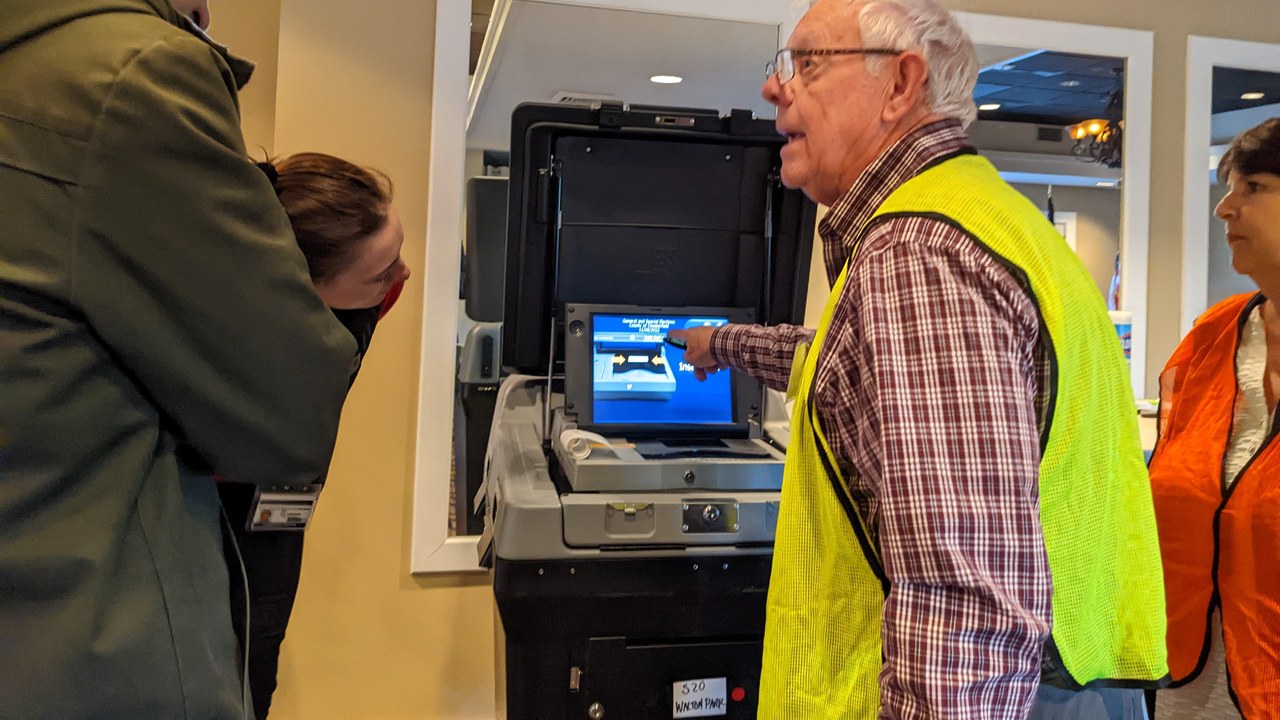
Poll workers paid $2,700 or more in 2027 owe Social Security and Medicare taxes
Poll workers and other election staff paid $2,700 or more in 2027 owe Social Security and Medicare taxes on that pay. The Social Security Administration set the 2027 threshold for election officials and election workers at $2,700 in its annual determinations notice, which is scheduled to appear in the Federal Register on Oct. 26. The…
-
Pierce County homeowners 61 and older or disabled with household income up to $64,000 can freeze their home’s taxable value under the senior exemption
Homeowners in Pierce County, Washington, who are 61 or older or disabled can freeze their home’s taxable value if household income is $64,000 or less. The Pierce County Assessor-Treasurer runs the senior exemption, and its page now carries the 2026 application forms. People in the lower income tiers also get relief from part of the…
-

Illinois homeowners 65 and older with incomes up to $77,000 can put off as much as $7,500 a year in property taxes for tax year 2026
Illinois has raised the income ceiling for its property tax deferral program for older homeowners, and for tax year 2026 the limit is $77,000 in household income. Eligible homeowners who are 65 or older can put off as much as $7,500 a year in property taxes, or 80 percent of the home’s equity, whichever is…
-
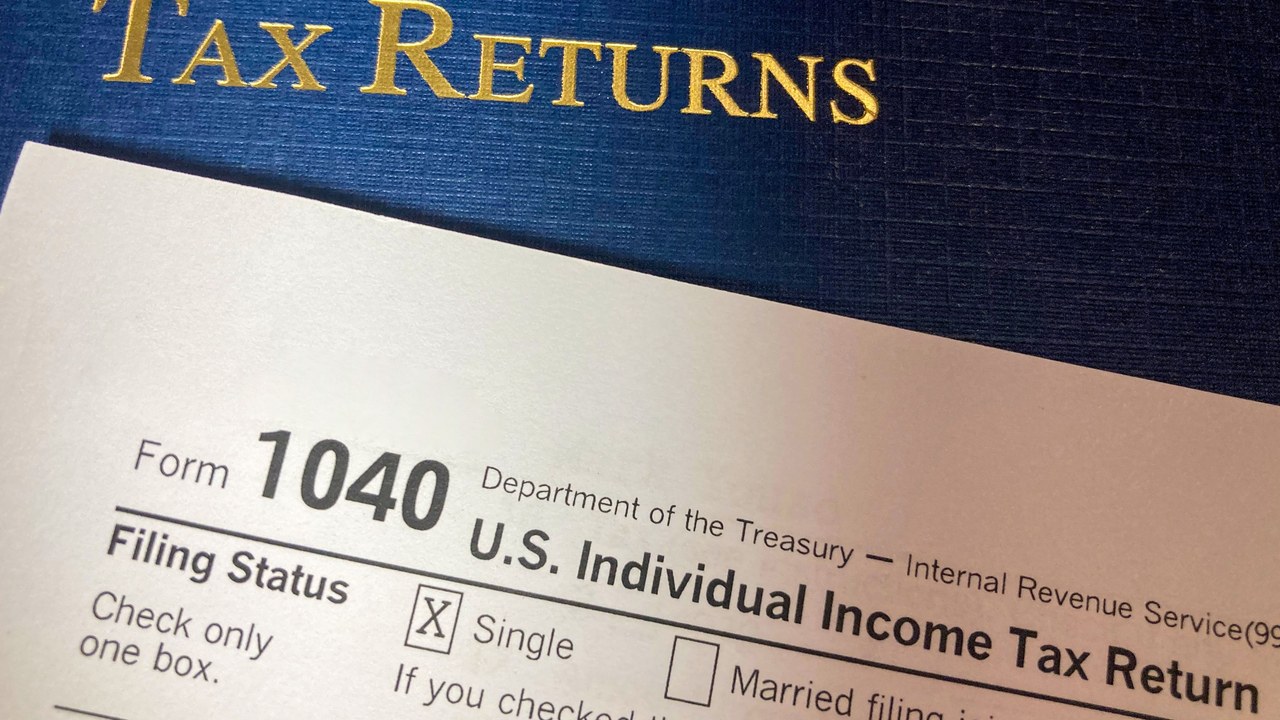
The IRS generally forfeits by law any refund claimed more than three years after filing or two years after paying, whichever is later, the Taxpayer Advocate says
The IRS generally forfeits a refund by law if the claim comes in more than three years after the return was filed or two years after the tax was paid, whichever is later. The Taxpayer Advocate Service, the independent office inside the IRS, laid out the rule in an April 9, 2026, tax tip aimed…
-

Syracuse homeowners 64 and older earning under $58,400 must return senior exemption renewal forms before January 1 or lose their 2027-28 property tax cut
Syracuse homeowners who are 64 or older and already get a senior exemption have to send in renewal paperwork before January 1, 2027, to keep the reduction for the 2027-28 property tax year. The City of Syracuse Department of Assessment set that cutoff in an announcement dated August 5, 2026. The income line is $58,400…
-

Illinois froze its scheduled motor fuel tax increase only through December 31
Illinois drivers are paying a motor fuel tax that was held steady by a six-month pause, and the pause ends on December 31, 2026. Public Act 104-0468, signed June 16, 2026, suspended the increase that was scheduled to take effect July 1, according to the Illinois Department of Revenue. The rates in force through December…
-

Indiana’s suspended gas tax of about 61 cents a gallon runs through November 4
Indiana drivers are not paying the state’s gasoline excise and sales taxes, about 61 cents a gallon combined, through Wednesday, November 4. Gov. Mike Braun renewed the suspension on September 30 for 30 days, according to the Indiana Capital Chronicle. Braun said he will review the orders before they expire on November 4 and may…