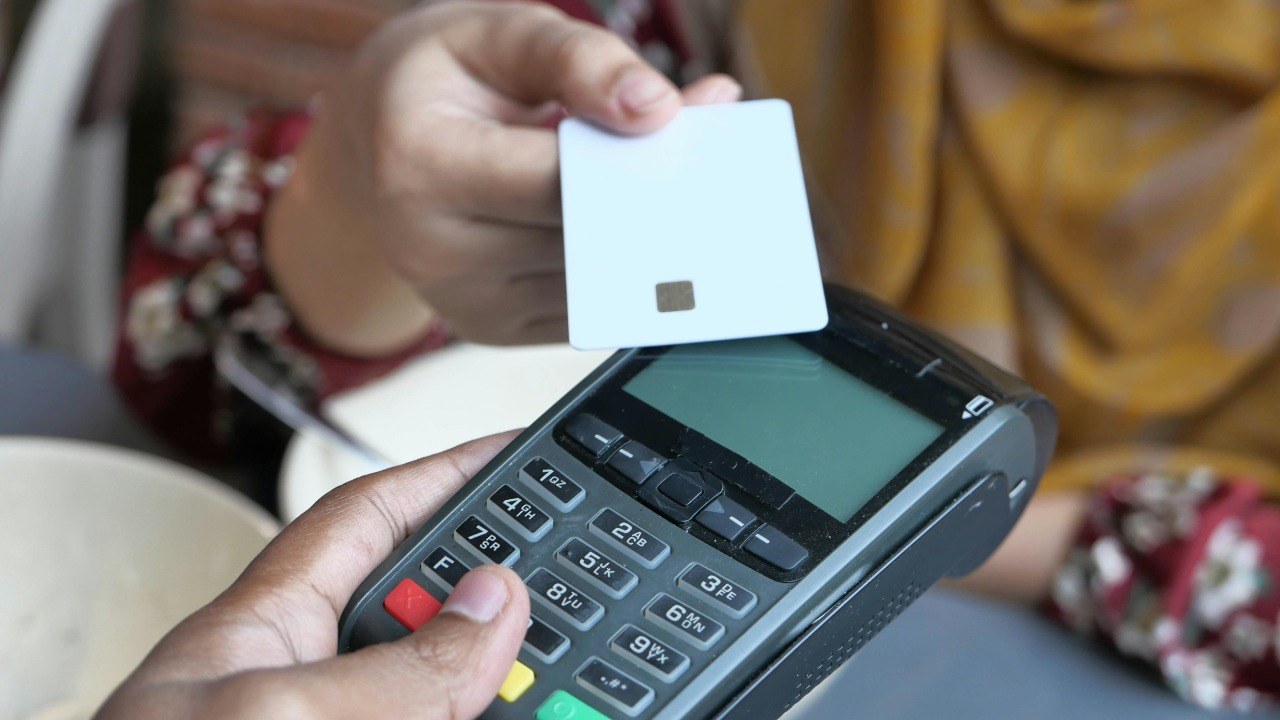
A part-time seller in Worcester, Massachusetts, who moved roughly $2,200 in used furniture and freelance design work through payment apps this year will still get a Form 1099-K in January. That comes as a surprise to a lot of people, because Congress just pushed the federal reporting bar for those forms back up to $20,000. The number written into federal law and the number that actually triggers a form in a lot of mailboxes are two different things, and the gap comes down to a handful of state tax laws that never moved when Washington did.
The Federal Threshold Is Back to $20,000, Not $600
Form 1099-K reports payments someone received through a payment card, a payment app or an online marketplace such as Venmo, PayPal, Etsy or eBay. The federal reporting line for these platforms has swung back and forth for years. Under a 2021 law it was scheduled to fall all the way to $600 with no transaction minimum at all, and the IRS took an incremental approach in the interim, floating a $5,000 marker for the 2024 tax year while it phased the change in, before Congress erased the whole plan this year.
The One, Big, Beautiful Bill Act retroactively reinstated the older rule. Under current IRS guidance, a payment app or online marketplace only has to send a 1099-K to the IRS and to the payee once that person’s payments for goods or services exceed $20,000 and the number of transactions exceeds 200 in a calendar year, a threshold the agency restates on its own site and again in its most recently updated FAQ set.
Free retirement updates: Miss an enrollment or claim deadline and it may be gone. Our free Retirement Shield newsletter keeps readers ahead of the ones that matter. Get the free newsletter.
Massachusetts Never Adopted the Federal Number
Massachusetts runs its own rule, and it never moved when the federal figure changed. The Massachusetts Department of Revenue’s current filing guidance states that third-party payment processors must issue and file a 1099-K for gross payments exceeding $600 sent to anyone with a Massachusetts address, with no transaction count attached at all. The department spells out the mismatch in plain language on its own page: the state filing requirement remains at $600 or more in gross payments, while the federal threshold sits at over $20,000 and more than 200 transactions. That state math doesn’t care whether the payments came from a hobby sale, a side gig or a small business; it only cares about the total dollar figure tied to the address on file. A filer who clears the Massachusetts bar but not the federal one can even use a state-specific Form M-1099-K instead of the federal version, though using the federal form instead is also acceptable if a filer already has one.
A State Can Set Its Own Bar Because the Filing Is a Separate Obligation
The mechanism behind that gap is simpler than it looks. Congress’s $20,000-and-200-transaction rule only controls what a payment platform must send to the IRS under federal tax law. A state that wants its own copy of that information is free to write its own statute compelling it, on whatever terms its legislature picks, and more than one has done exactly that. Maryland’s Comptroller, for example, points filers to Section 10-825 of the state’s own Tax-General Article as the legal basis for its 1099-K filing requirement, an obligation that exists independent of whatever figure Congress lands on in a given year. Nothing in the federal reinstatement touches a state statute like that one, because Congress has no authority to dictate what a state’s own information-return law has to say.
Why the Form Follows the Address on File, Not Where You Live Full Time
The Massachusetts rule turns on the address a payment platform has on file for the payee, not on where the underlying sale happened or where a buyer lived. Someone who set up a Venmo, PayPal or Etsy account using a Massachusetts mailing address triggers the state’s $600 rule even if most of their buyers were out of state. Change that address with a platform partway through the year and the reporting picture can shift with it. That distinction matters most for people who move mid-year, students who keep a childhood address on file, and anyone who works remotely across state lines while getting paid through the same handful of apps. It also means two neighbors running near-identical side businesses can end up with very different paperwork in January for reasons that have nothing to do with how much they actually sold.
What to Do When Your Form Doesn’t Match the Federal Number
None of this changes what actually belongs on a tax return. A 1099-K, whether it shows up because of the federal threshold or a state one, is a reporting document, not the event that creates a tax obligation. Anyone selling through payment apps or freelancing through an online marketplace should keep their own transaction and expense records rather than waiting to see whether a form shows up in the mail. The Massachusetts Department of Revenue’s own guidance makes the same point for anyone who does get a form: what a taxpayer owes is based on the payments actually received, not on whichever government happened to require a copy of the paperwork.
This article was produced with AI assistance and reviewed by a human editor. Figures are linked to their primary sources; where a claim could not be verified from the public record, we say so.
More Financial Reading