
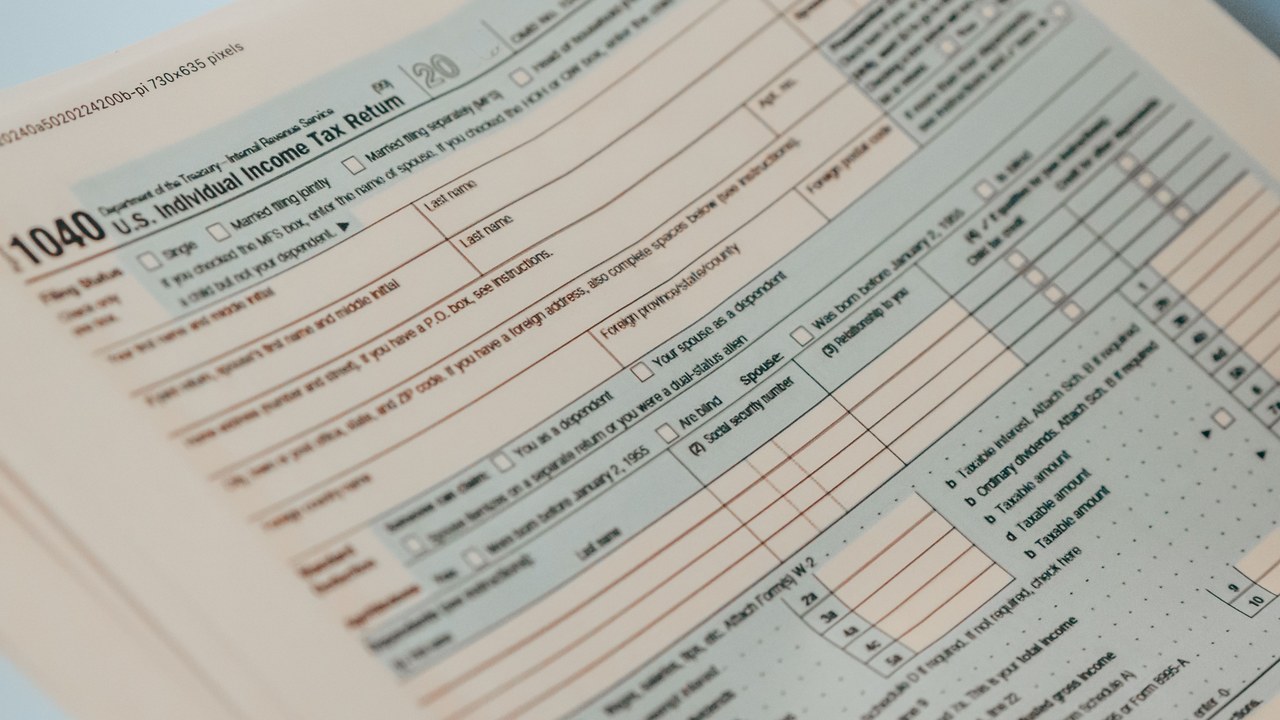
Free Direct Pay is the IRS’s no-fee way to pay a federal tax bill from a bank account, but it has a catch for people who are behind on filing. In a September 10 news release, the IRS said taxpayers who have never filed a tax return, or who have not filed in more than six years, may need to use another payment option.
The wording is “may need,” not “cannot.” The IRS did not say in the release why the limit exists or what happens when a payment from one of these taxpayers is attempted.
What is Direct Pay and who normally uses it?
According to IRS release IR-2026-109, Direct Pay is a free service on IRS.gov for paying federal taxes straight from a checking or savings account. No sign-in or registration is needed, and there are no fees.
The service confirms identity with a few questions. For an individual payment, it uses information from a prior-year return the taxpayer selects.
Individuals can use it for a balance due, estimated tax, an amended return, an extension and other federal income tax payments. Payments can be made the same day or scheduled up to 365 days ahead, and a scheduled payment can be changed or canceled up to two business days before its date. Each payment must be less than $10 million, and the service cannot be used to receive refunds by direct deposit.
Anyone who owes tax for a year they never filed, or who has been out of the system for more than six years, should plan on a different route from the start. A retiree catching up on old returns is the typical case, and the payment should not be left to the last day before a deadline.
What changed this year: Social Security and Medicare change every year, and nobody sends you a memo. The Retirement Money Brief breaks down what changed and what to do. Bonus when you subscribe: our IRS Refund Delay Tracker.
Get the Brief and the refund tracker →
We may earn a commission from links on this page.
Which other ways to pay does the IRS list?
The IRS payments page, updated October 13, 2026, lists several routes for individuals. A debit or credit card or a digital wallet can be used through payment processors, and the page says fees apply. Checks, money orders and cash are also accepted, with no fee stated.
A signed-in Individual Account lets a taxpayer view a balance and payment history, pay by bank account and set up, change or pay on a payment plan. The page says individuals set up payment plans there to pay taxes over time.
For payments of $10 million or more, the Direct Pay release points to a same-day wire or the Electronic Federal Tax Payment System, known as EFTPS, if already enrolled. That is far beyond what the typical retiree owes, but it shows the IRS keeps separate routes for different situations.
Why does the Direct Pay limit matter for unfiled years?
Someone who has not filed has not told the IRS what is owed, so the first step is usually the return itself rather than the payment. IRS Chief Executive Officer Frank J. Bisignano said in the release, “Direct Pay gives taxpayers a free, secure, and convenient way to pay directly from a bank account.” The limit on non-filers applies to that convenience, not to the tax owed.
Anyone in this group who pays by a different method should keep the confirmation. If the IRS later sends a notice about the same year, that record is the quickest way to show the payment was made.
The IRS has not said how many taxpayers are affected. What it has said is that the choice of payment method is not the same for everyone, and the open question for a taxpayer with unfiled years is which of the listed routes fits the amount and the timing.
Behind on filing and need to pay?
A taxpayer catching up on old returns often gets IRS letters about the same years, and a payment sent a different way can cross in the mail with a notice that says the balance is still open. Reading those letters wrong is how a payment gets misapplied or a deadline gets missed.
The IRS Refund Recovery Kit includes a notice decoder and a refund status tracker spreadsheet, so each letter and each payment for an old year can be lined up in one place. Part 4 of the kit is the notice decoder.
Get the notice decoder and tracker for catching up on unfiled years →
More Financial Reading
- 21 Ways to Stretch a $2,087 Social Security Check
- 15 Places to Find Your Share of the $4.25 Billion States Give Back
- 21 Ways Retirees Can Raise $1,000 Fast Without a Job
This article was produced with AI assistance and edited for accuracy against the sources linked above.


