
Category: Taxes Made Simple
-

The IRS wipes a late-filing penalty of any size for filers with three clean years, or twelve straight clean quarters for quarterly filers
The IRS is now erasing failure-to-file, failure-to-pay and failure-to-deposit penalties of any size for taxpayers with a clean three-year record, or 12 consecutive clean quarters for those who file quarterly. The agency announced the Automatic Exemption from Penalty in news release IR-2026-83 on July 8, 2026, and says eligible taxpayers do not have to ask…
-

New Jersey homeowners 65 and older with 2025 income up to $172,475 have until November 2 to file the PAS-1 for the Senior Freeze
New Jersey homeowners who want the Senior Freeze for the 2025 tax year have until Monday, November 2, 2026 to file. The state’s Division of Taxation property tax relief page says so in as many words: “The deadline for the 2025 application is November 2, 2026.” The application is the PAS-1, the combined property tax…
-

Trump signed the Clergy Act, letting ministers who opted out of Social Security apply to the IRS to come back in for tax years beginning after 2028
President Donald Trump signed H.R. 227, known as the Clergy Act, on Tuesday, October 20, 2026. The law gives ministers who once opted out of Social Security a way to apply to the Internal Revenue Service to come back in, with the change starting in a tax year that begins after 2028. It is a…
-

The IRS pushed tax deadlines to February for storm and hurricane victims in Alabama, Florida, Ohio, Wisconsin, West Virginia, New Mexico and Guam
The Internal Revenue Service has pushed back federal tax deadlines to February 2027 for people hit by storms and hurricanes in seven places. They are Alabama, Florida, Ohio, Wisconsin, West Virginia, New Mexico and Guam. The IRS announced the relief on October 14, 2026, and the new dates are February 1, February 4 or February…
-

The IRS has sent automatic refunds to more than 50,000 people who carried an adoption credit forward from earlier years, and no amended return is needed
The Internal Revenue Service has already begun paying refunds to more than 50,000 taxpayers who carried an adoption tax credit forward from earlier years. Nobody has to file anything to get one. The agency says no amended return is needed. The payments were announced October 16 in IRS release IR-2026-123. Refunds and adjustments began in…
-

Extension filers are left out of the IRS’s automatic adoption-credit refunds
Taxpayers who filed their 2025 return on an extension are outside the automatic adoption-credit refunds the IRS began sending this fall. The agency’s October 16 announcement, IR-2026-123, says those returns, along with accounts that carry identity-theft indicators, freezes or dependency conflicts, “will be reviewed later in 2026.” The automatic group is defined by a date.…
-

A federal tax refund stays outside SSI’s resource test for twelve months
A federal tax refund does not count toward the Supplemental Security Income resource limit for twelve months after it arrives, according to Social Security’s list of resource exclusions. The rule covers federal tax refunds and advance tax credits received on or after January 1, 2010, along with earned income tax credit payments. It matters because…
-
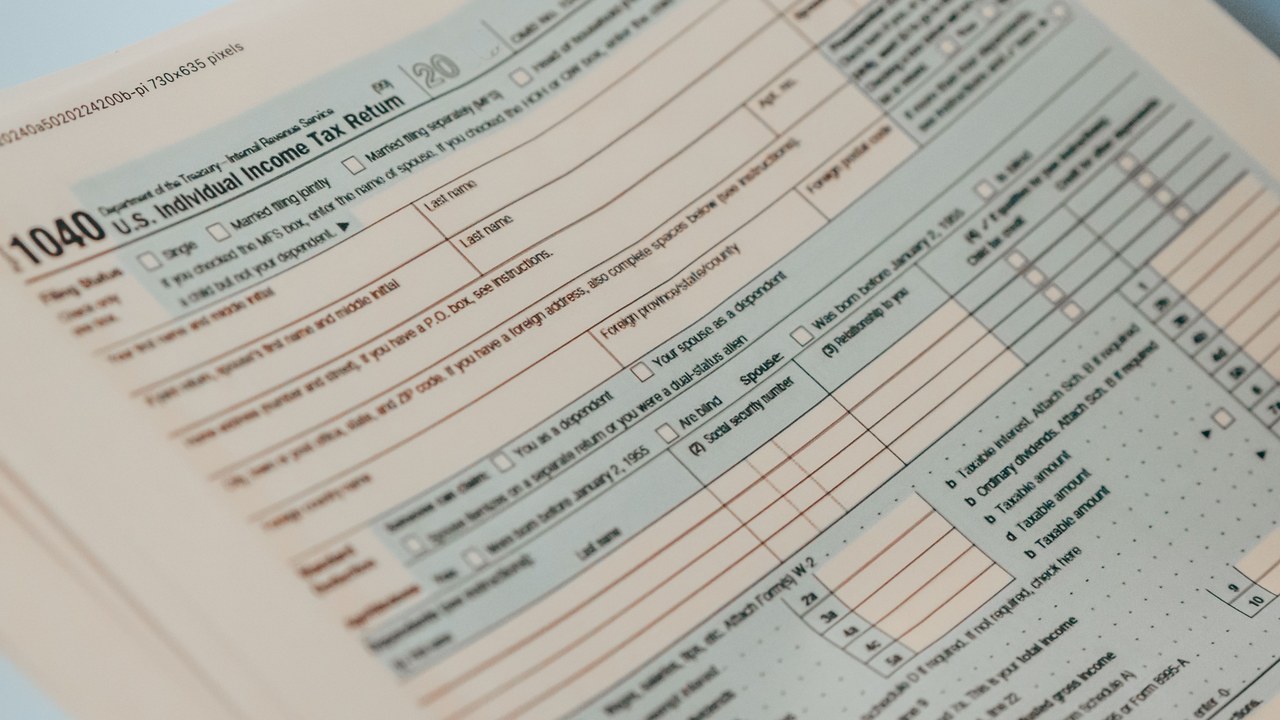
Treasury and the IRS have proposed limiting the health premium tax credit to citizens and certain lawfully present immigrants from 2027
Treasury and the IRS have proposed new rules that would limit the health premium tax credit to U.S. citizens, U.S. nationals and certain lawfully present immigrants, starting in 2027. The IRS announced the proposal on October 14, 2026, in news release IR-2026-121. The rules are proposed, not final. Nobody gains or loses a credit because…
-

A yearly earnings statement is free from Social Security; a certified copy is not
The Social Security Administration has raised the price of several records it hands out to people who need them for something other than a benefit claim. A plain yearly earnings statement is not one of them: it stays free. A certified copy of a detailed earnings record is a different matter, and the new fee…
-
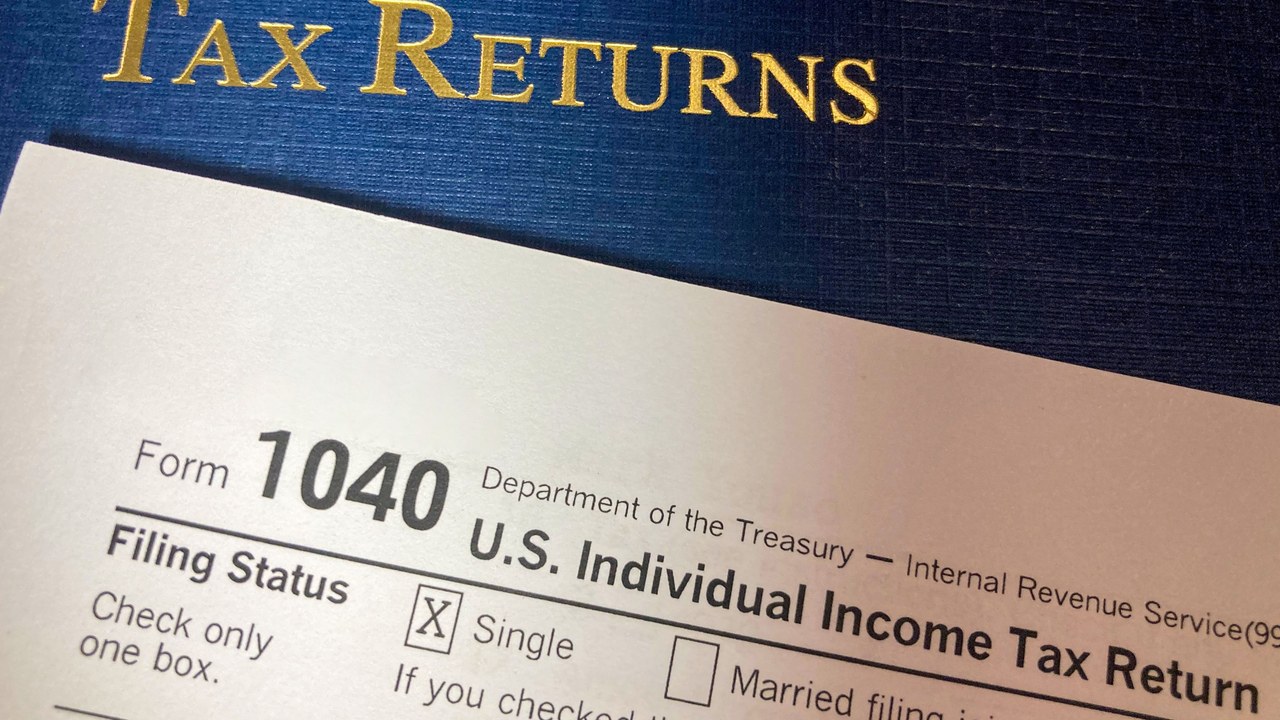
The IRS says the senior deduction survives itemizing, so a 65-year-old writing off mortgage interest and medical bills keeps it too, for tax years 2025 through 2028
Taxpayers who itemize their deductions do not have to give up the new senior deduction. The IRS says the extra $6,000 for people 65 and older is available to both itemizers and people who take the standard deduction, and it applies for tax years 2025 through 2028. That settles a question many older homeowners have…