
Category: Groceries & Gas
-
A 50 percent duty on Canadian whisky, cheese and vehicles has been collected since August 22
If you buy a bottle of Canadian whisky, a wedge of Canadian cheese, or a car built in Ontario, the importer bringing it across the border has been paying an extra 50 cents on every dollar of that item’s value since August 22. That cost does not stay with the importer. It works its way…
-
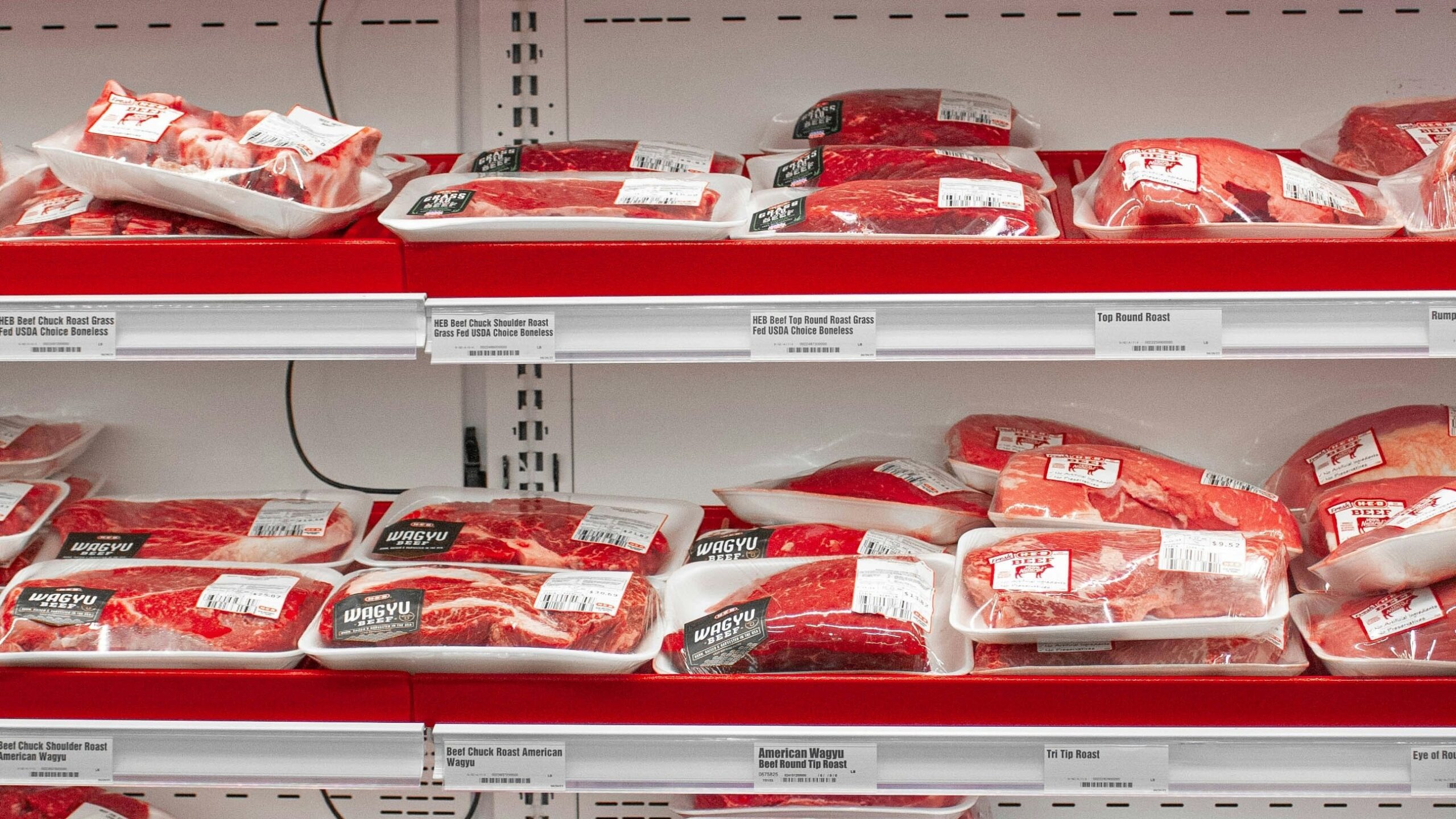
The White House opened a 300,000-ton import window for lean beef trimmings, and the first tranche opened September 1
If you’ve watched ground beef climb past $6 a pound at the checkout counter, the federal government just made a bet that flooding the market with 300,000 more metric tons of imported lean beef trimmings will pull that number back down. The first chunk of that supply, 100,000 metric tons, became available to importers on…
-

Eating out is rising 3.6 percent this year while groceries rise 2.5 percent
Restaurant meals are set to get costlier at a faster pace than groceries this year, according to the U.S. Department of Agriculture’s latest economic forecast. The agency’s Economic Research Service projects food-away-from-home prices rising 3.6 percent in 2026, while grocery store prices climb a slower 2.5 percent. That’s a wider split than the two categories…
-
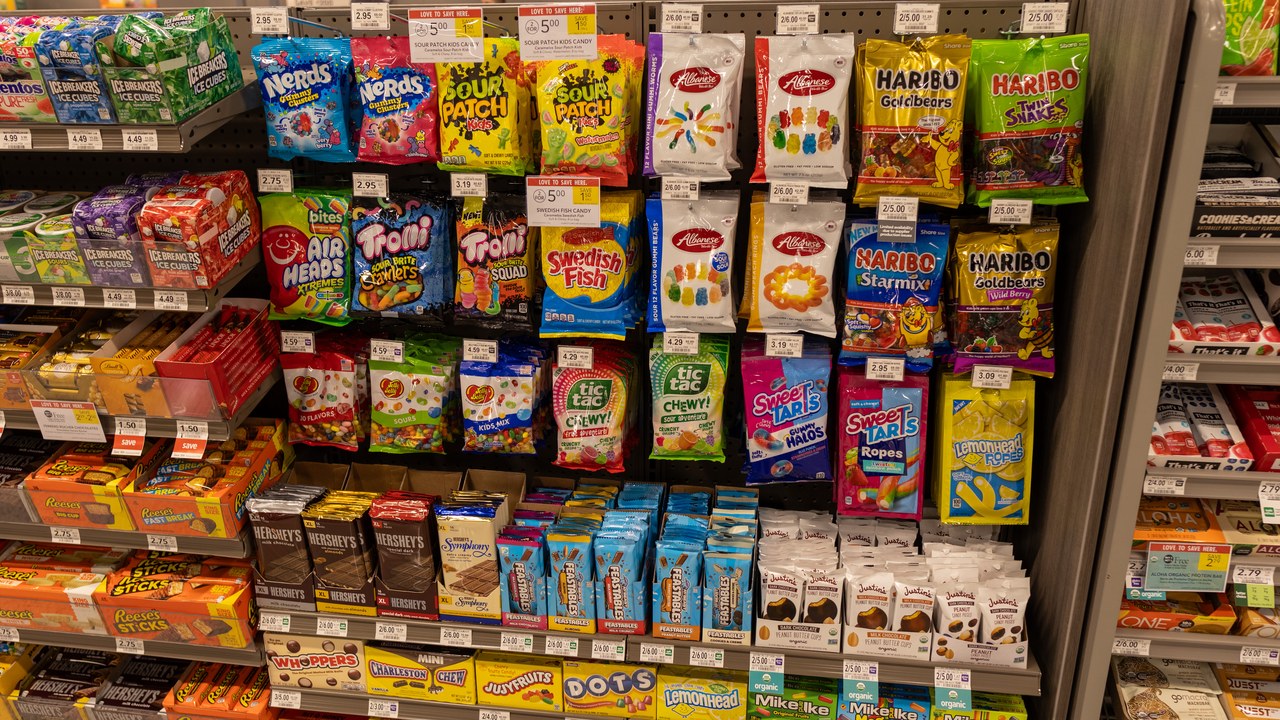
Candy and sweets are running 7.1 percent higher, the grocery store’s second-fastest riser
Chocolate bars, bagged candy, and gum are getting measurably more expensive this year, and the increase shows no sign of leveling off before Halloween. The U.S. Department of Agriculture’s latest grocery price forecast puts sugar and sweets on track for one of the steepest increases of any food category tracked in 2026, trailing only beef…
-
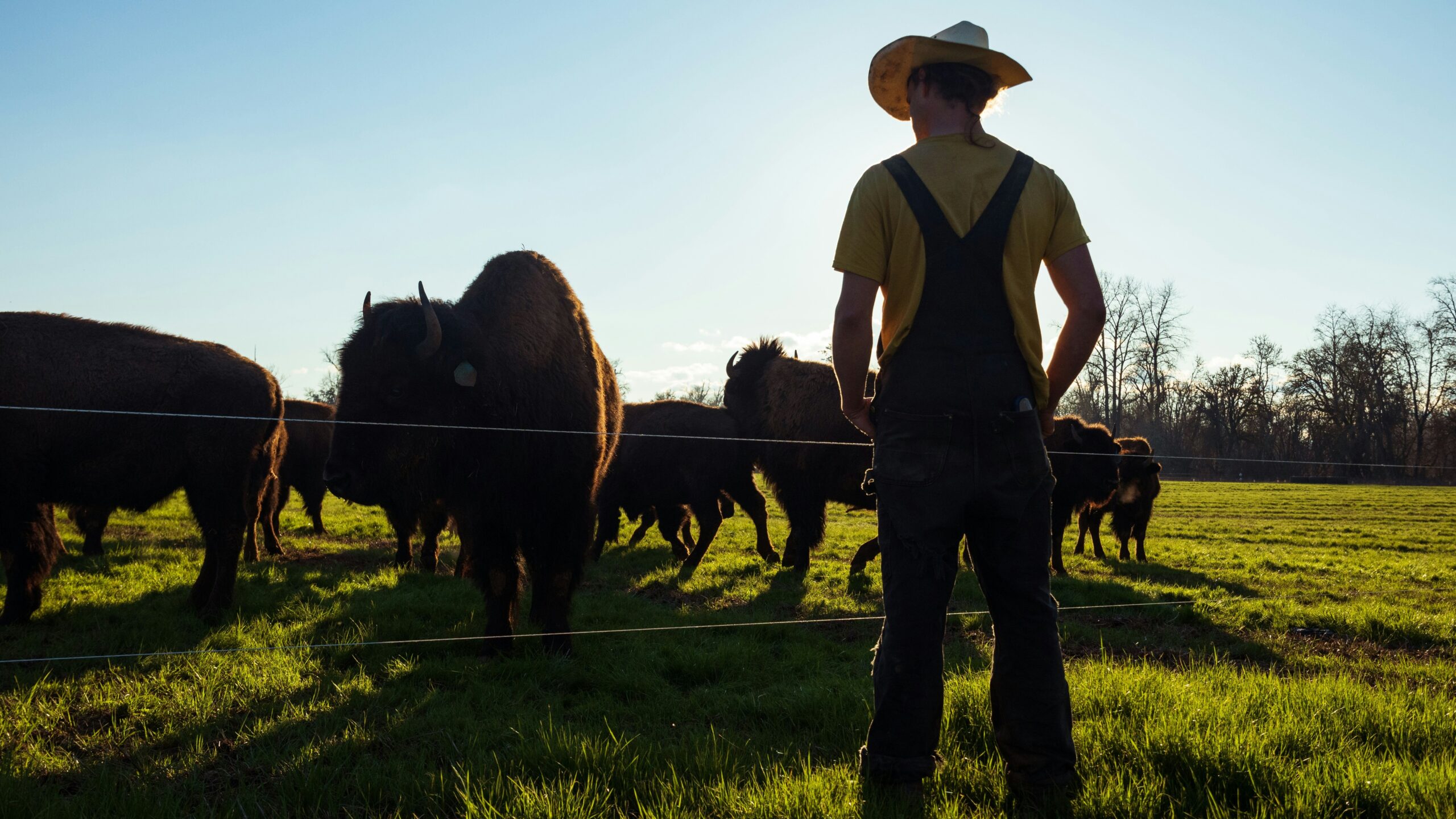
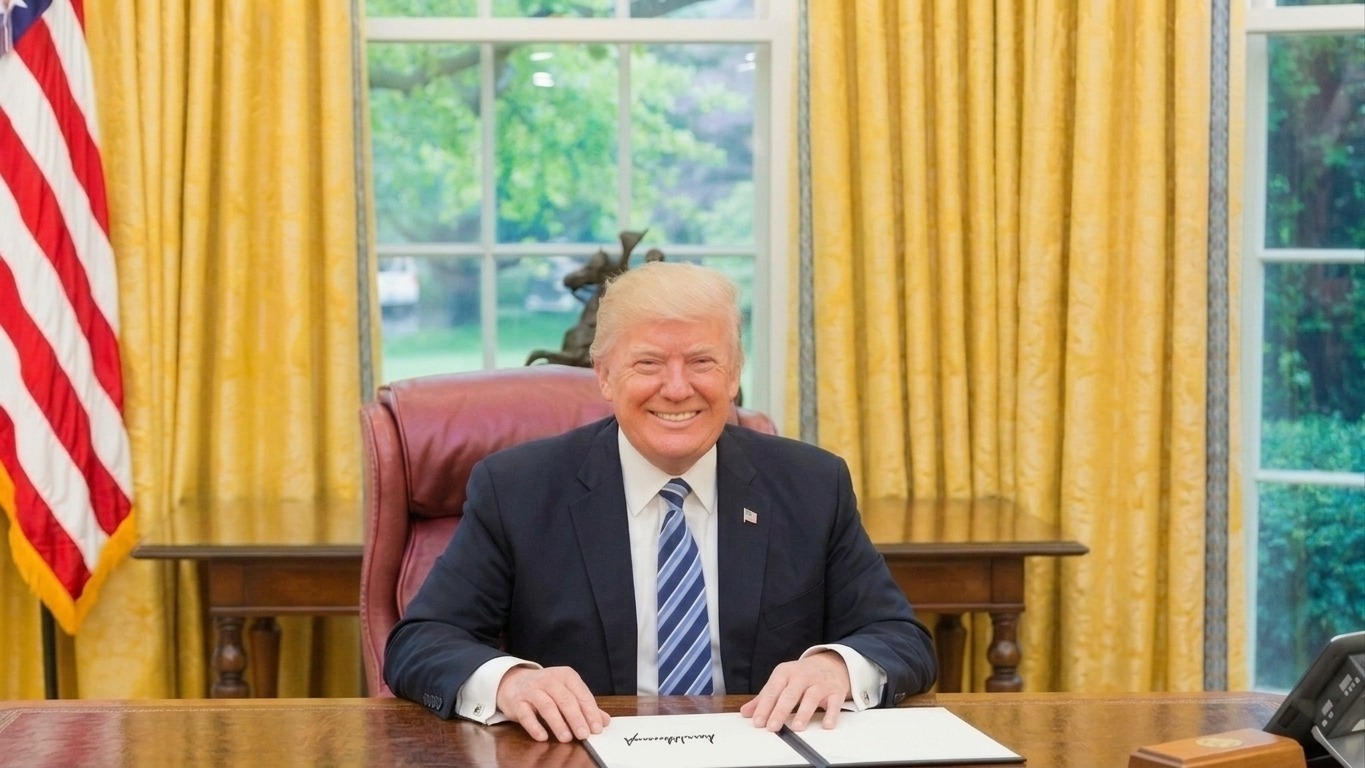
Two orders on ranchers were signed Friday, and neither one changes the price of beef
President Trump signed two executive orders on the cattle industry at the White House on Friday, September 4, both framed as wins for ranchers. Grocery shoppers scanning the price of ground beef might assume that kind of presidential attention to the beef supply chain comes with a number attached — a rebate, a cap, a…
-
A new order tells USDA to let small meat processors ship across state lines
A state-inspected meat plant in most of the country cannot legally ship a single package across a state line. An executive order signed September 4, 2026 directs the U.S. Department of Agriculture to widen the narrow federal programs that make an exception, so small, state-inspected processors can sell their beef, pork and poultry beyond their…
-
USDA has 90 days to decide whether beef gets a country-of-origin label again
President Trump signed an executive order on September 4, 2026, giving the U.S. Department of Agriculture three months to figure out whether it can legally force grocery stores to disclose where beef comes from. The instruction sits inside a broader ranchers’ order that also touches grazing land and predator control, but for household grocery budgets,…
-
Beef is on track to cost 9.8 percent more this year, the fastest rise of any grocery category
American shoppers reaching for ground beef, steak or a roast this year are absorbing one of the steepest single-category price increases in the supermarket. The U.S. Department of Agriculture’s Economic Research Service now forecasts that beef and veal prices will climb 9.8 percent over the course of 2026, the fastest rise among the fifteen food-at-home…
-
Fresh vegetables are forecast up 5.9 percent this year, with tomatoes 12.8 percent higher than a year earlier
The federal government’s newest price outlook shows the vegetable aisle climbing faster than the rest of the grocery cart this year, with the U.S. Department of Agriculture forecasting a 5.9 percent increase in retail fresh vegetable prices for 2026. Tomatoes are driving much of that increase already: retail prices for fresh tomatoes in July 2026…
-
Trump’s beef order asks importers to sell at a 25 percent discount, and nothing in it requires them to
President Trump signed a proclamation in late August that temporarily lets more imported beef into the United States at a lower tariff rate, and the White House says the point is a 25 percent price cut on that beef. But read the actual text of the order, and there is no line that forces an…