
Category: Groceries & Gas
-
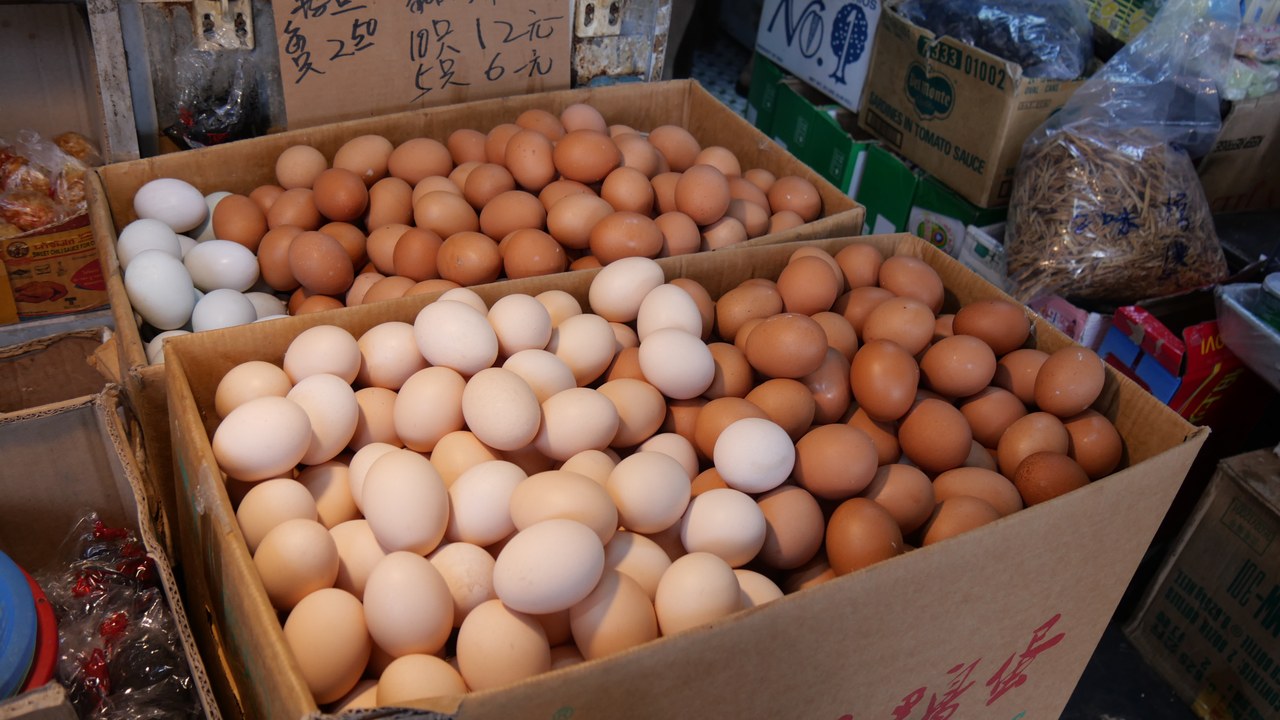
Wholesale eggs slipped to 66 cents a dozen, and the liquid egg that goes into packaged food costs about 7.5 cents
Behind every dozen eggs sitting in a grocery store cooler is a second, mostly invisible price: what the eggs cost before they ever reach a store shelf. This week that number moved lower. Federal market data show the wholesale price for shell eggs in the Midwest slipped to 66 cents a dozen, while the eggs…
-
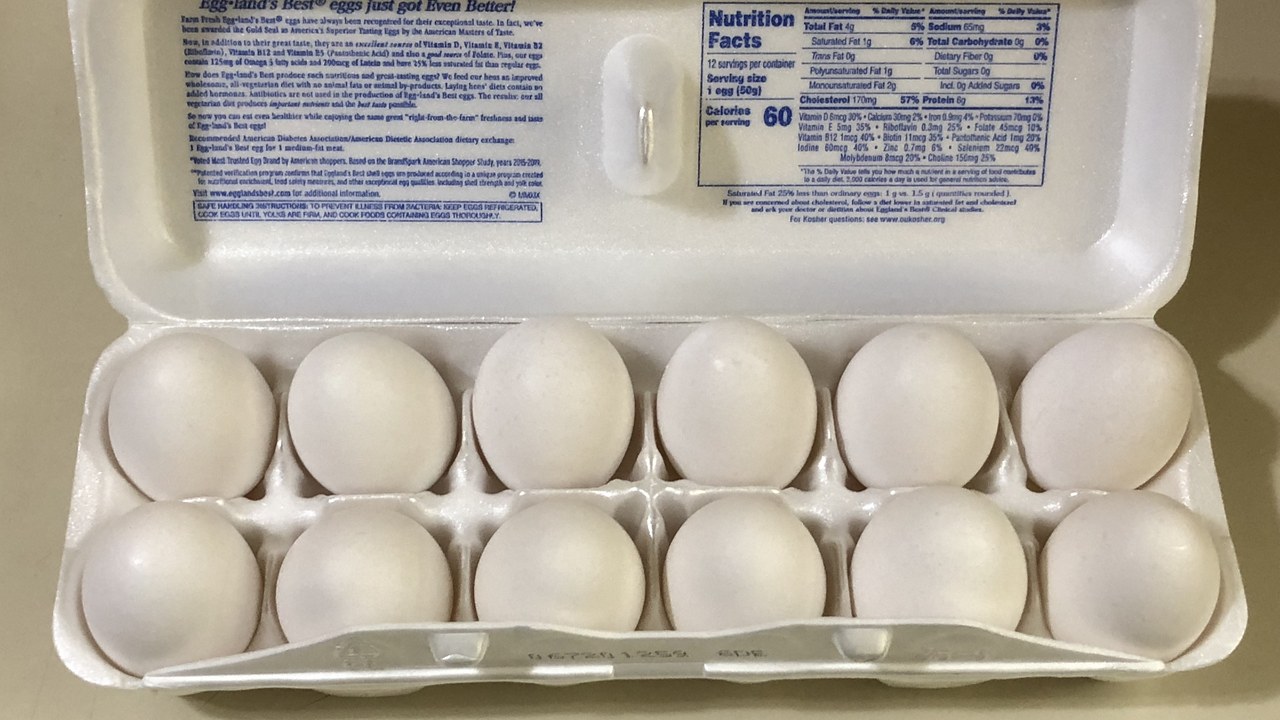
Cage-free eggs are advertised at $3.07 a dozen while conventional eggs go for $1.36
Grocery shoppers scanning the egg case this week are looking at one of the widest price gaps between egg types tracked in recent months. Federal market researchers who survey supermarket advertising nationwide found conventional caged eggs on sale for $1.36 a dozen this week, while cage-free barn and aviary eggs carrying the UEP-certified label were…
-
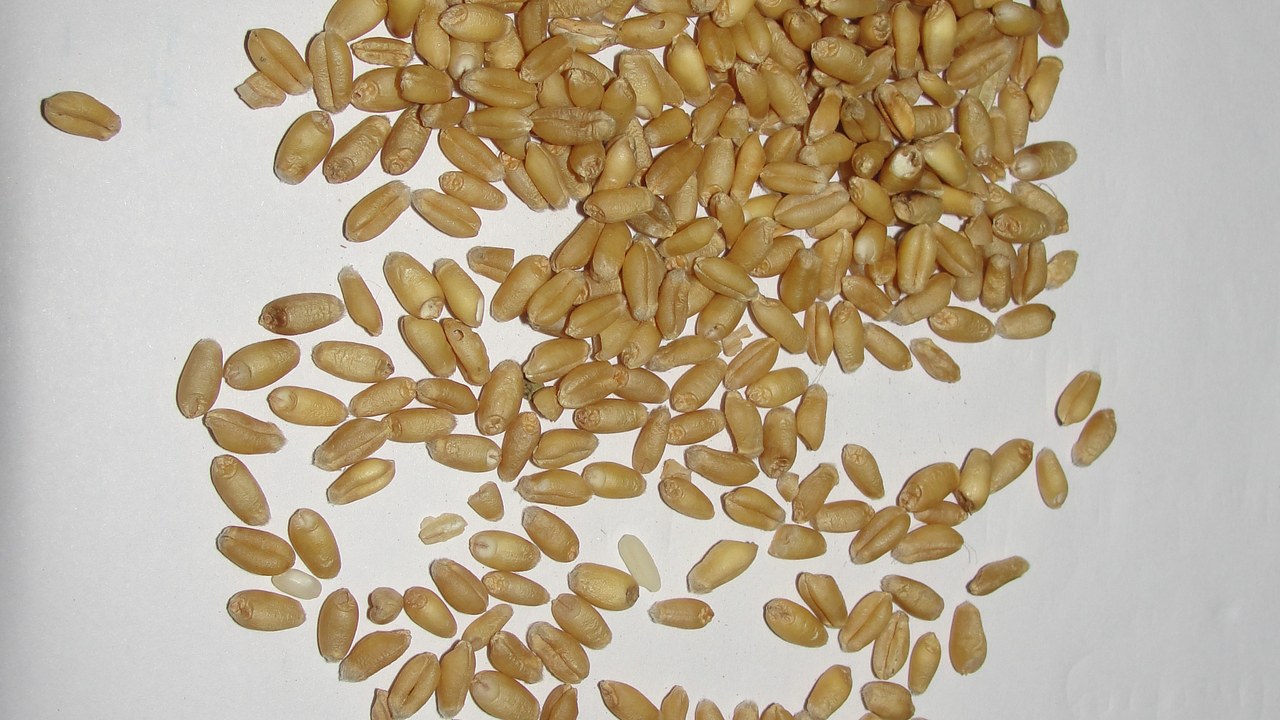
Wheat costs a quarter more at the farm, yet bread and cereal are forecast to rise at their normal pace
Wheat prices at the farm gate have jumped sharply this summer, and the reason is a shrinking harvest. USDA’s Economic Research Service says farm-level wheat prices climbed more than 9 percent in a single month and are now running roughly a quarter above where they stood a year ago. Despite that spike, the agency’s own…
-
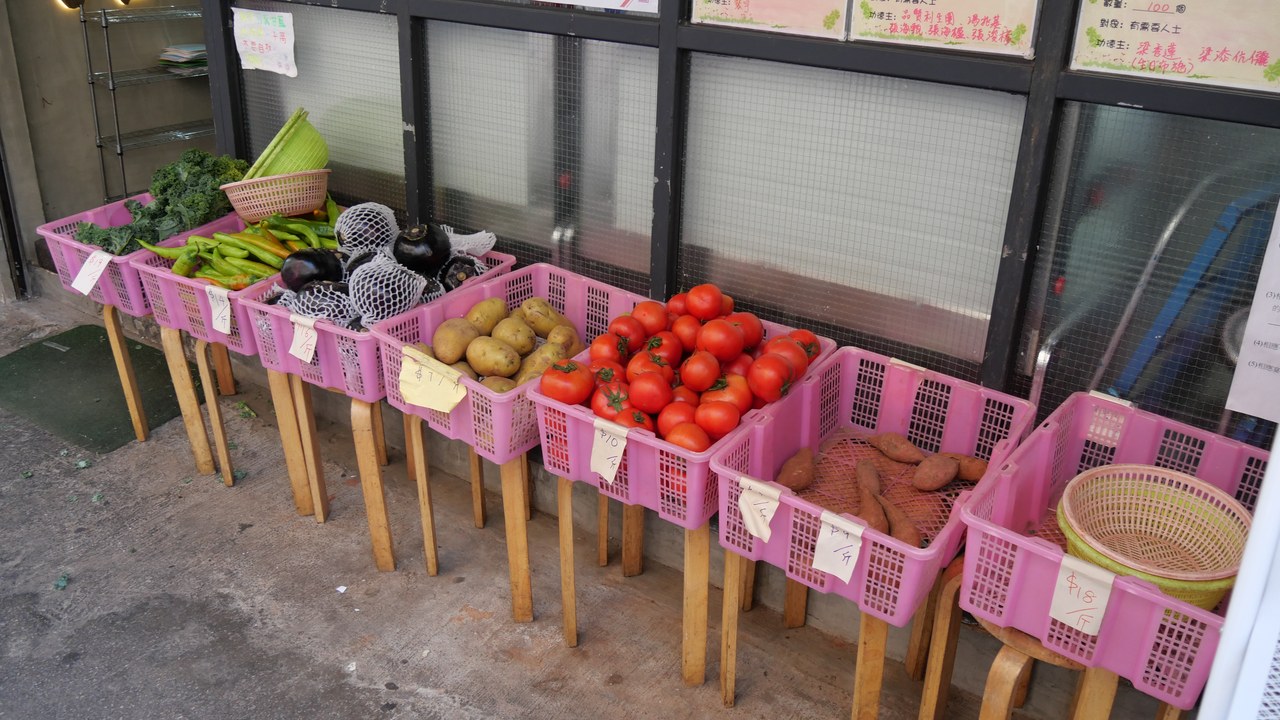
Vegetable prices paid to farms fell 29 percent in a single month, and produce relief usually lands within two
Farm-level vegetable prices just posted their sharpest one-month drop of the year, and USDA’s own numbers suggest the produce aisle tends to start feeling that kind of move within a month or two. According to the U.S. Department of Agriculture’s Economic Research Service, prices paid to farms for fresh vegetables fell 29.4 percent from June…
-
California diesel passed $7.21 a gallon, $1.62 above the national average
California’s price for on-highway diesel fuel crossed $7.20 a gallon last week, according to the U.S. Energy Information Administration’s weekly survey, the highest of any state in the country and more than a dollar sixty above the national average. Most households don’t buy diesel directly, but the fuel that moves trucks, freight and delivery vehicles…
-
West Coast drivers are paying $5.21 a gallon while the Gulf Coast pays $3.62
Drivers on the West Coast are paying close to a dollar sixty more per gallon than drivers on the Gulf Coast, according to the U.S. Energy Information Administration’s latest weekly survey. The gap isn’t a fluke of one bad week; it’s the widest split of any two regions EIA tracks, and it actually grew last…
-

Gasoline fell 25 cents in Colorado and 18 cents in Ohio last week while the national average barely moved
Gasoline prices moved in sharply different directions across the country last week, according to the U.S. Energy Information Administration’s weekly survey of retail stations. While the national average barely budged, drivers in Colorado, Ohio and a couple of other states saw some of the steepest single-week declines the agency logged all year. For households in…
-
Farm egg prices fell 82 percent this year while store prices fell 31
A carton of eggs that cost close to $6 during last year’s bird-flu shortage is cheaper again this fall, but not nearly as cheap as the price farmers are now getting. The U.S. Department of Agriculture’s Economic Research Service forecasts that farm-level egg prices will end 2026 down 82.1 percent from 2025, while the price…
-

Pork and poultry are forecast up under 1 percent this year while beef runs 9.8 percent higher
Stand at the meat case this week and three price tags tell three different stories. Ground beef is pushing toward $7 a pound. A few feet away, pork chops and chicken breast have barely budged all year. That gap isn’t random, and it isn’t a store-by-store fluke — it’s almost exactly what the U.S. Department…
-
Next year’s grocery forecast is 2.1 percent, with an error band running from minus 5.7 to plus 10.5 percent
USDA’s Economic Research Service puts next year’s grocery price increase at 2.1 percent. Read one paragraph further in the same August 25 update and that tidy number turns into a range: food-at-home prices could fall 5.7 percent in 2027, or they could climb 10.5 percent, and either outcome would still count as the forecast working…