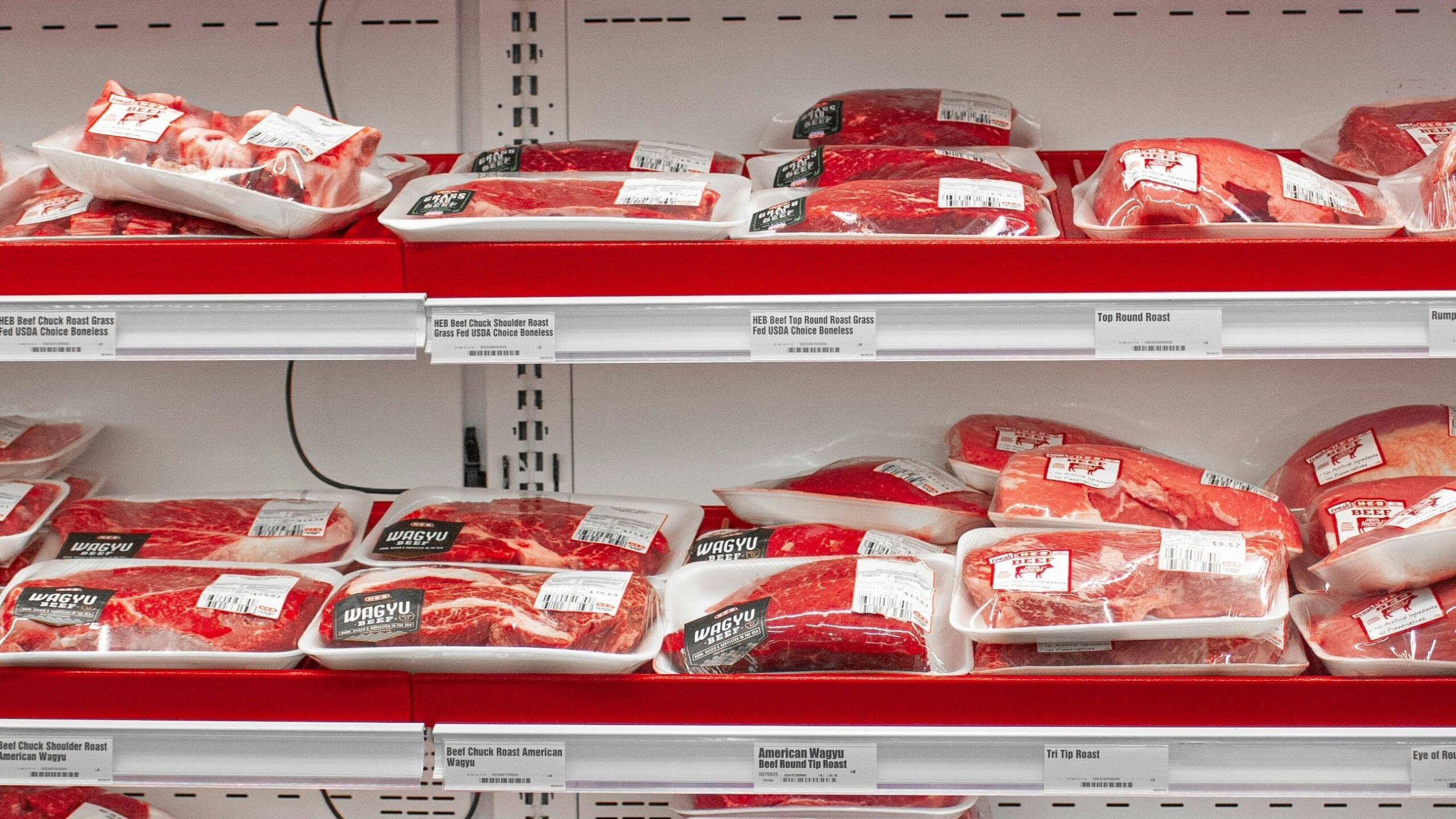
If you’ve watched ground beef climb past $6 a pound at the checkout counter, the federal government just made a bet that flooding the market with 300,000 more metric tons of imported lean beef trimmings will pull that number back down. The first chunk of that supply, 100,000 metric tons, became available to importers on September 1 and stays open through September 30. Whether any of it actually shows up as a lower price on your receipt is a separate question the administration has, for once, written into the order itself.
A 300,000-Ton Opening in the Beef Import Quota
On August 26, 2026, President Trump signed Proclamation 11059, “Further Ensuring Affordable Beef for the American Consumer,” which the Federal Register published on August 31 as document 2026-17842. The proclamation temporarily raises the annual tariff-rate quota (TRQ) for lean beef trimmings — the lean, low-fat beef that gets blended with fattier trim to make the ground beef sold in grocery stores — by 300,000 metric tons for calendar year 2026.
That volume isn’t released all at once. It’s split into three 100,000-metric-ton tranches, administered first-come, first-served: the first ran September 1 through September 30, the second runs October 1 through October 30, and the third opens October 31 and stays open until either it’s filled or November 30 arrives, whichever comes first. Unlike an earlier 80,000-metric-ton increase carved out specifically for Argentina in February’s Proclamation 11010, this new 300,000 metric tons is allocated entirely to “other countries or areas” — meaning it’s open to importers bringing in trimmings from outside Argentina.
Free retirement updates: Want plain-English help keeping more of your money in retirement? The free Retirement Shield newsletter covers the benefits, deadlines, and money mistakes that cost retirees, a couple times a week. Subscribe free.
Why Washington Is Targeting Ground Beef Prices
The proclamation lays out the reasoning in plain terms. The U.S. cattle herd has fallen to its lowest level in 75 years, and USDA forecasts domestic beef output will drop roughly 4% from 2025 levels this year. Restrictions on live cattle imports from Mexico, put in place to keep the New World Screwworm parasite out of U.S. herds, have also slowed the flow of cattle through southern border ports even as USDA works through a phased reopening. At the same time, USDA expects domestic beef consumption to keep climbing, which the proclamation says is why ground beef prices have stayed elevated and are expected to remain so without further action.
This is the second time this year the administration has reached for the same lever. Proclamation 11010 in February used the same legal authority — Section 404 of the Uruguay Round Agreements Act, which lets the president temporarily loosen a tariff-rate quota when a natural disaster, disease outbreak, or major market disruption threatens the domestic supply of an agricultural product. That authority requires the U.S. Trade Representative to keep monitoring the situation and advise on whether more action is warranted, which is how this second, larger round came about.
The Built-In Price Test Trump Attached to the Deal
Here’s the part worth reading carefully before you assume this means cheaper ground beef is coming: the proclamation doesn’t just open the door to more imports and walk away. It requires the Secretary of Agriculture and the U.S. Trade Representative to actively monitor whether the beef trimmings entering under this expanded quota are actually being sold at a price at least 25% below the going market rate for lean beef trimmings. If they find that imports aren’t hitting that discount, they’re required to notify the President immediately, and the proclamation gives him the option to shut down whatever’s left of the 300,000-metric-ton allowance before it runs its course.
The proclamation’s own text states the administration “anticipates” the added imports will result in ground beef selling at a discount compared to current prices, but frames that outcome as an expectation to be verified, not a guarantee. If it doesn’t materialize, the stated reason for ending the program early is to avoid a “windfall to foreign producers” — in other words, to make sure importers pocketing the tariff break are the ones passing savings along, not just banking the difference themselves.
What Three Tranches Through November Mean for Your Grocery Cart
For your household budget, the honest takeaway is that this is a supply-side change with an uncertain and delayed path to your grocery bill. More lean trimmings entering the country under a lower duty rate is the kind of policy that, in theory, eases the cost pressure that’s been pushing up ground beef prices — but trimmings still have to be imported, processed, blended, distributed, and priced on a shelf before you’d ever see a difference at checkout. The three-tranche structure means new supply keeps arriving in scheduled waves through late November, so any effect on prices, if it comes, would likely show up gradually rather than all at once.
If you buy ground beef regularly, the most useful thing you can do right now is treat this as one input to watch rather than a promise to bank on. Keep an eye on your own receipts over the next two to three months, since that’s roughly the window the proclamation itself sets for the added supply to work through the system. The Federal Register listing for Proclamation 11059 remains the authoritative record of exactly what was ordered and when each tranche opens and closes, and it’s a fair reference point if a headline down the road claims beef prices have already fallen because of it.
This article was produced with AI assistance and reviewed by a human editor. Figures are linked to their primary sources; where a claim could not be verified from the public record, we say so.
More Financial Reading