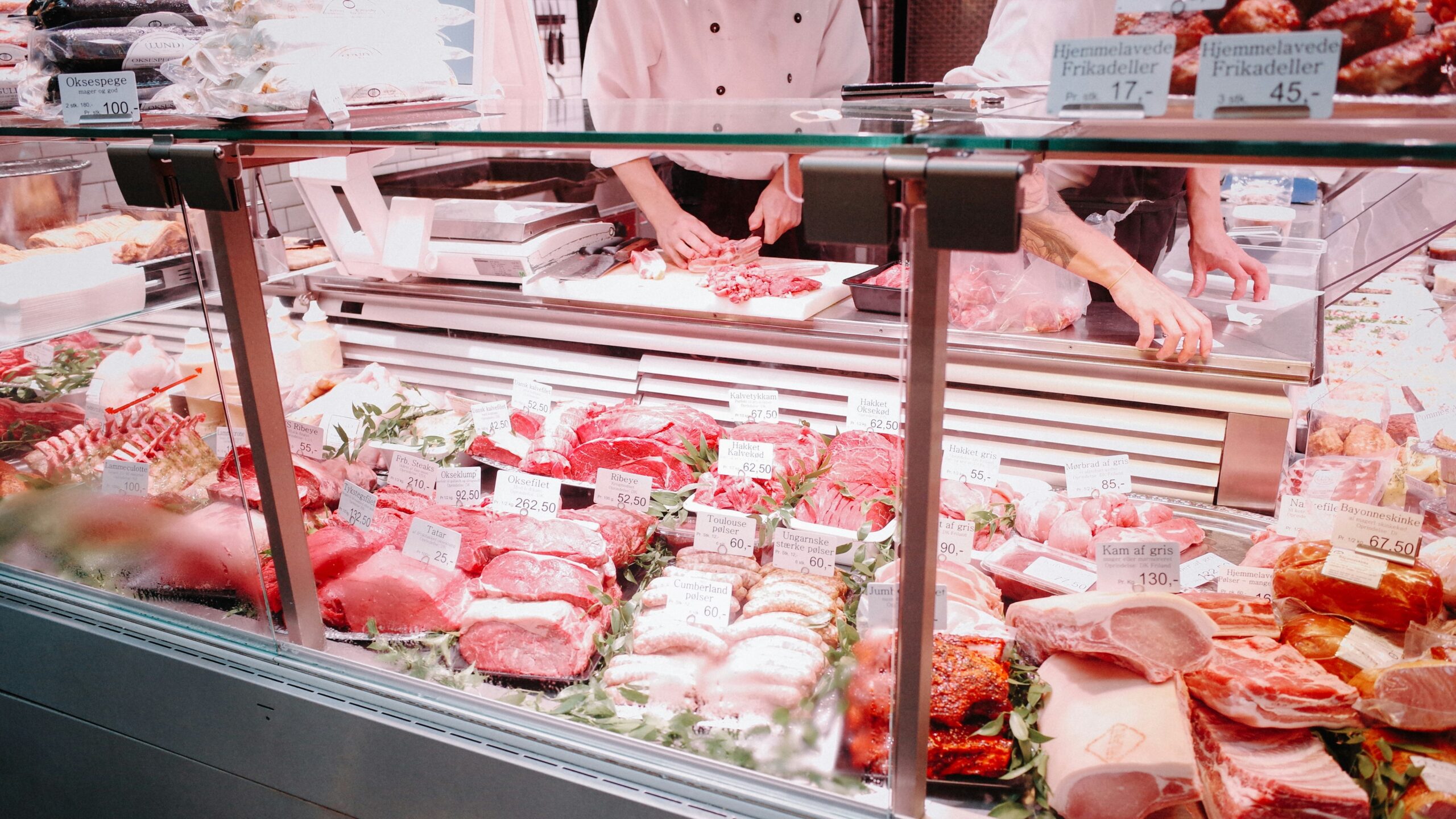
A state-inspected meat plant in most of the country cannot legally ship a single package across a state line. An executive order signed September 4, 2026 directs the U.S. Department of Agriculture to widen the narrow federal programs that make an exception, so small, state-inspected processors can sell their beef, pork and poultry beyond their home state. Today those exceptions run through a handful of federal-state programs that most ranchers and small-town butcher shops cannot use. For grocery shoppers, the stakes are the price and availability of meat at the counter, in a market where a handful of large packers still control most of the buying.
What USDA Is Directed To Build and Streamline
The order, titled “Promoting Fair Competition in Livestock Markets and Expanding Market Access for American Meat Producers”, tells Agriculture Secretary Brooke Rollins to accelerate outreach and streamline the process for states to join three existing federal-state programs that already allow state-inspected plants to ship product across state lines: the State Meat and Poultry Inspection Program, the Cooperative Interstate Shipment Program and the Talmadge-Aiken Cooperative Inspection Program. It also directs USDA to build technical assistance and training for small and very small processors, stand up a public web resource showing local slaughter and processing availability, modernize inspection rules to focus on core food safety, and create a coordinator position inside the department to work directly with ranchers and processors.
None of this happens automatically. The order states that it must be implemented “consistent with applicable law and subject to the availability of appropriations,” and it creates no new right that a producer or processor could enforce in court. It is a set of instructions to the Secretary of Agriculture, not a rewrite of the underlying inspection statutes.
Free retirement updates: Keep more of your Social Security and savings with plain-English updates on the changes, deadlines, and costly mistakes retirees miss. Subscribe free.
Only a Fraction of States Use the Interstate Shipping Program the Order Wants Expanded
The Cooperative Interstate Shipment program is the main tool the order leans on, and it already exists. Under CIS, a state-inspected meat or poultry plant with 25 or fewer employees can operate under federal standards and ship its products across state lines, according to the Food Safety and Inspection Service’s program page. The catch is that a plant’s home state has to sign a cooperative agreement with USDA first, and most have not. When Georgia signed on this summer, USDA counted it as the 11th state in the program, according to a July 27, 2026 USDA announcement. That leaves close to 40 states, plus every plant with more than 25 employees, outside the program entirely, dependent on either full federal inspection or sales that stop at the state line.
The new order does not add a state to that list by itself. What it does is instruct USDA to speed up recruitment of additional states and file a report, within 60 days, on where the state-federal partnership is falling short.
A Guaranteed Loan Program for Small Processors, With No Dollar Figure Attached
Section 3 of the order also tells USDA to establish a “Strengthening Processing for U.S. Ranchers” guaranteed loan program aimed at small and regional beef processors, to help them keep operating, expand their facilities and process a wider mix of animal proteins. The order does not set a loan cap, an interest rate, a total budget or a start date for the program. Those details, along with the loan terms, will depend on how USDA structures the program once it moves from directive to regulation.
For a small processor weighing whether to expand a plant or add a second shift, that gap matters. A loan guarantee is only useful once the underwriting rules and available funding are public, and the order leaves both undecided.
Why the White House Points to Beef Packer Concentration
The order pairs the interstate-shipping push with tougher enforcement of the Packers and Stockyards Act of 1921, the law that bars unfair or deceptive practices among meatpackers. It directs USDA to add staff and resources to the Packers and Stockyards Division, coordinate with the Justice Department’s Antitrust Division under a memorandum of understanding signed in September 2025, and report back within 60 days on enforcement actions and resource needs.
The administration’s own justification leans heavily on market concentration. A White House fact sheet released alongside the order states that the four largest beef packers accounted for 36 percent of steer and heifer purchases roughly four decades ago, and that the figure has since climbed to 85 percent. The same fact sheet ties that consolidation to a record-low national cattle herd, framing both together as the reason ranchers need more processing options and stronger enforcement against unfair buying practices.
For families, the promise is more slaughter capacity and, in theory, steadier beef supply over time. The order does not attach a price prediction to any of its directives, and no dollar-per-pound number is tied to enforcement, the loan program or the interstate shipping push, so any near-term change at the meat counter will show up first in USDA’s later data, not in the text signed this week.
Three Reports Are Due to the President Within 60 Days
Beyond the enforcement report, the order requires two more documents inside the same 60-day window: an assessment of how many states currently participate in the cooperative inspection programs and what is holding others back, and a separate report identifying the specific federal statutes and trade rules that keep state-inspected or custom-exempt meat from crossing state lines today. That second report is notable because it is USDA, not the White House, that will spell out exactly which laws would need to change for the interstate ban to lift for plants outside the cooperative programs.
The order arrives four days after USDA’s own Ranchers First Initiative announcement, which focused on rebuilding the national cattle herd. Whether the interstate shipping picture actually changes for a working rancher or a regional processor now depends on those reports, on which states volunteer for the cooperative programs, and on how USDA writes the guaranteed loan program the order calls for but does not yet fund.
This article was produced with AI assistance and reviewed by a human editor. Figures are linked to their primary sources; where a claim could not be verified from the public record, we say so.
More Financial Reading