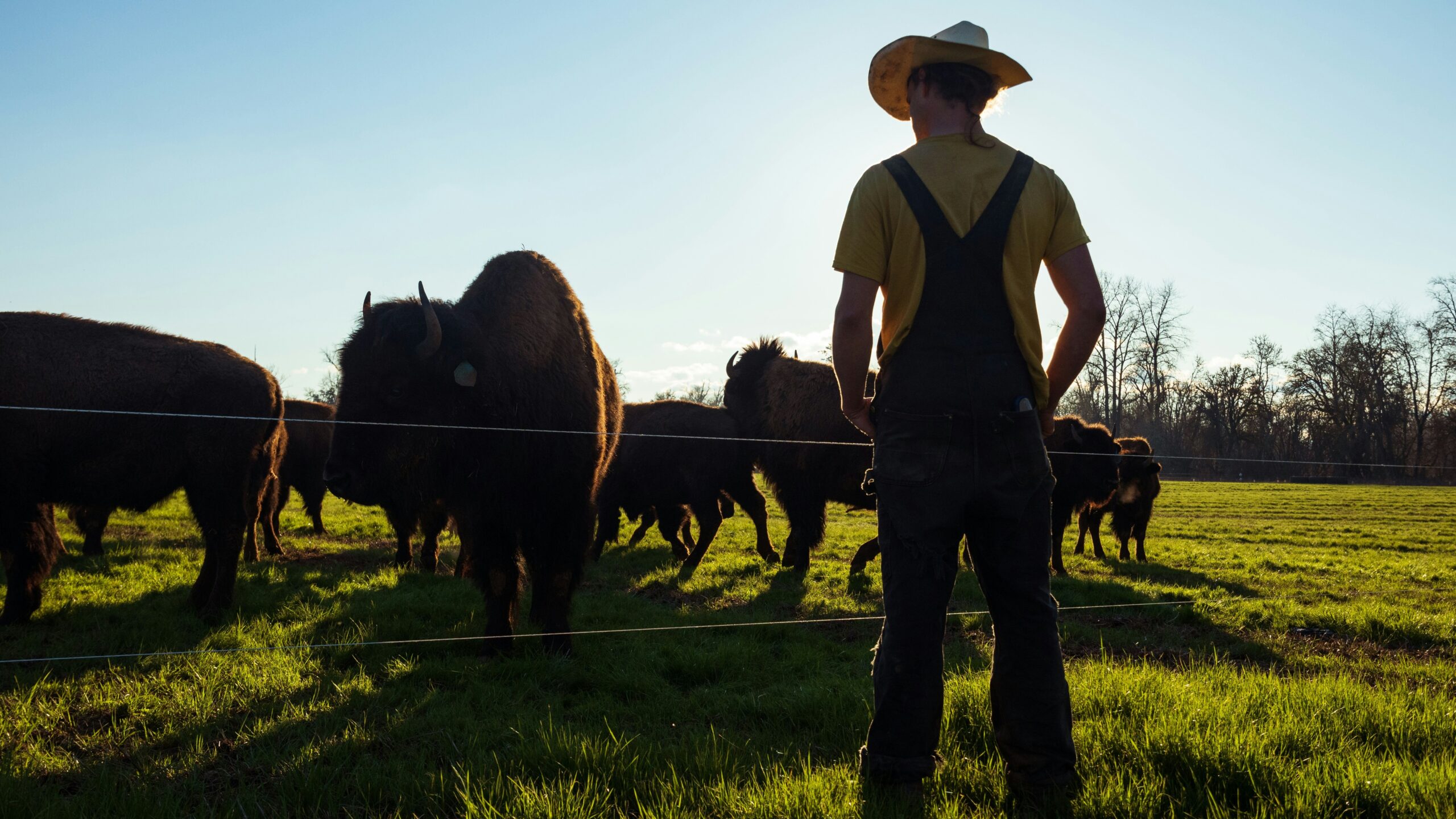
President Trump signed two executive orders on the cattle industry at the White House on Friday, September 4, both framed as wins for ranchers. Grocery shoppers scanning the price of ground beef might assume that kind of presidential attention to the beef supply chain comes with a number attached — a rebate, a cap, a discount at the register. It doesn’t. Reading both orders shows the real work is administrative: reports, reviews and enforcement directives, not a change to what anyone pays for a steak or a package of ground chuck this week.
The Ranchers Order Sets a 90-Day Review, Not a Price Change
The first order, Supporting America’s Ranchers, instructs the Secretary of the Interior, the U.S. Trade Representative, the Commissioner of the Food and Drug Administration and the Administrator of the Small Business Administration to spend the next 90 days assessing regulations that affect ranchers’ “financial viability and market access,” then report back with recommendations. Nothing in that instruction sets a price, funds a subsidy or requires a single company to change what it charges for beef. The same fact sheet notes that whatever those four agencies recommend, it becomes the basis for “further actions” still to come — meaning any regulatory change is at least a second step away, with no date attached to when, or whether, it happens.
The order also tells the Interior Department to study whether gray wolves and Mexican wolves should be removed from the endangered species list to reduce predator losses on grazing land, and to update how ranchers are compensated when predators do kill livestock. Separately, it directs the Department of Agriculture to review reinstating mandatory country-of-origin labeling on beef, a marketing rule Congress repealed in 2015 after a World Trade Organization panel found it discriminated against Canadian and Mexican beef. Each of those is a study, a review or a recommendation — groundwork that could eventually shift supply, but nothing that shows up on a receipt this month.
Free retirement updates: Enrollment and claim windows come and go, and missing one can cost you real money. The free Retirement Shield newsletter keeps you ahead of the deadlines that matter. Sign up free.
A Second Order Goes After Meatpacker Power, Not Retail Tags
The companion order, Promoting Fair Competition in Livestock Markets and Expanding Market Access for American Meat Producers, takes a different angle. It directs the Department of Justice to step up enforcement of the Packers and Stockyards Act, the century-old law that bars unfair, deceptive or monopolistic practices among the handful of large companies that process most of the nation’s beef. The target is concentration in meatpacking, not the sticker price on a roast.
It also instructs USDA to expand interstate market access for state-inspected small and mid-size meat processors, who currently cannot sell their products across state lines without an expensive federal inspection upgrade. The fact sheet ties that change to USDA’s existing Small Processors Action Plan, its SPUR inspection-reciprocity program, and new federal-state cooperative agreements. That is a supply-side fix meant to give ranchers more places to get animals processed — it does not instruct any processor, distributor or grocery chain to lower what it charges.
Where the Word “Prices” Actually Shows Up in the Text
The only consumer-facing language in either order sits in Section 5 of the ranchers order, which asks every relevant agency to “take such steps as may be appropriate to ensure that the measures directed in this order… benefit American consumers in the form of lower prices to the maximum extent possible.” That sentence carries no dollar figure, no deadline and no named mechanism. It is a request that agencies keep consumers in mind while carrying out the reviews described above, not a commitment that any price will actually move.
Industry reaction undercuts any idea that a price move is imminent from either direction. The Meat Institute, which represents meatpacking companies, said reviving mandatory country-of-origin labeling would raise costs rather than lower them, arguing the government should instead let the voluntary “Product of USA” label introduced last year work on its own. R-CALF, which represents independent cattle producers and has pushed for several of these changes for years, called the orders “a step forward” — but even that group stopped short of predicting either order would move a price this week.
The one price lever the administration has already pulled sits outside both Friday orders entirely. A 90-day cut in tariffs on imported beef took effect September 1, opening a 300,000-metric-ton low-tariff import quota that the White House expects Argentina, Brazil and other countries to fill, a separate attempt to ease retail prices by letting in more foreign beef. The cattle industry has criticized that move, arguing it undercuts the same domestic herd-building goals the Friday orders describe. Whatever that tariff cut does to the price of beef, it isn’t part of either order signed on Friday — those two documents don’t mention tariffs, quotas or imports at all.
Why Beef Got Expensive in the First Place
The administration’s own account of the problem points to supply, not paperwork. The national cattle herd is at its lowest point in 75 years, according to the ranchers order’s fact sheet, while consumer demand for beef has grown almost 10% over the past decade. Drought across grazing regions and reduced feed availability tied to wildfire conditions have added further pressure on herd size. None of that changes because two orders were signed on a Friday — herds take years to rebuild, and neither order adds a single calf to the count this fall.
The administration has already acknowledged that timeline. Four days before these two orders, on August 31, the Department of Agriculture announced its own Ranchers First Initiative, describing its goal as rebuilding “the great American beef herd” rather than fixing what’s on the shelf this week. That framing is the most honest way to read Friday’s orders, too: real moves on the industry’s regulatory landscape, and no change yet to what a family pays for dinner.
This article was produced with AI assistance and reviewed by a human editor. Figures are linked to their primary sources; where a claim could not be verified from the public record, we say so.
More Financial Reading