
Author: Brian Lund
-

Trump’s 2025 law has Louisiana telling 297,441 Medicaid expansion adults to prove 80 hours of work from January 1, and 210,877 have no state-verified earnings on file
Louisiana will start asking Medicaid expansion adults to show they work, study or volunteer on January 1, 2027, and the state has now put numbers on who is affected. The Louisiana Department of Health expects 297,441 adults in the expansion group to fall under the new rule, and 210,877 of them have no state-verified earnings…
-
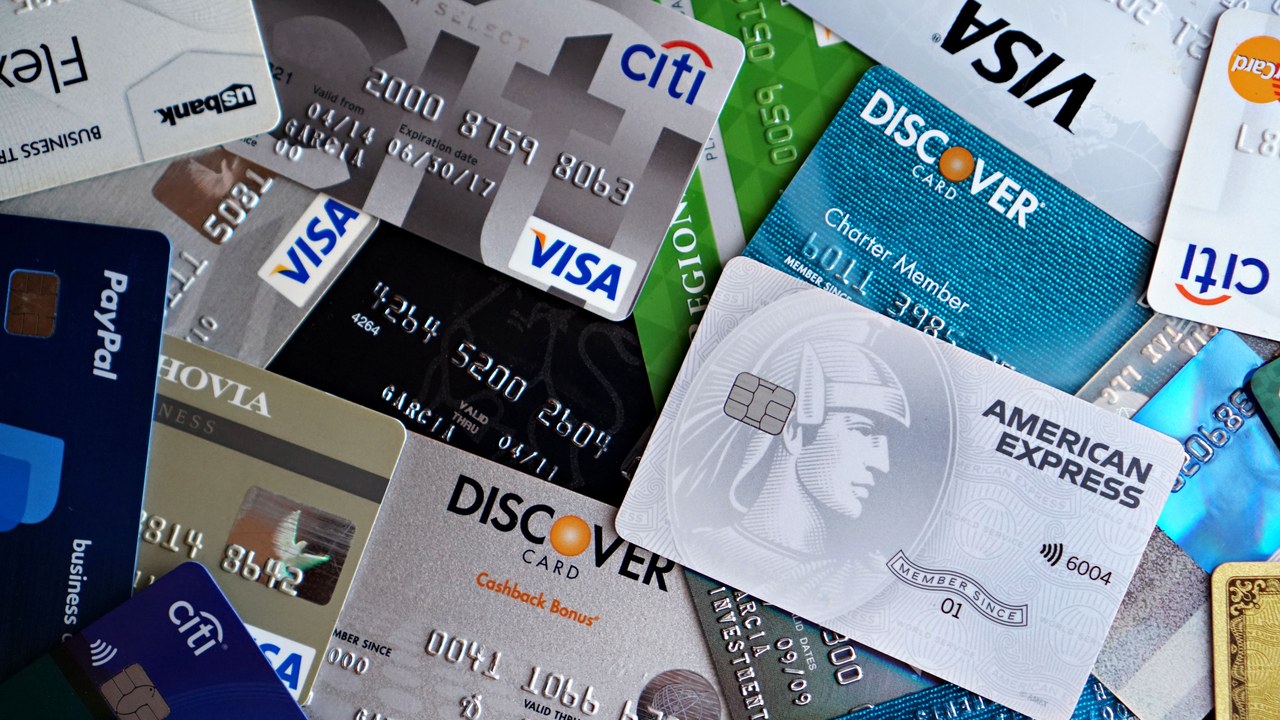
The CFPB emailed former Digit savings customers October 15 about money from its penalty fund, and they must pick a payment method by November 14
The Consumer Financial Protection Bureau sent payment notification emails on October 15 to people it identified as harmed by Hello Digit, the company behind the Digit automated-savings app. Anyone who received one has until November 14, 2026 to submit a payment selection, according to the official Hello Digit payment website. The money comes through the…
-
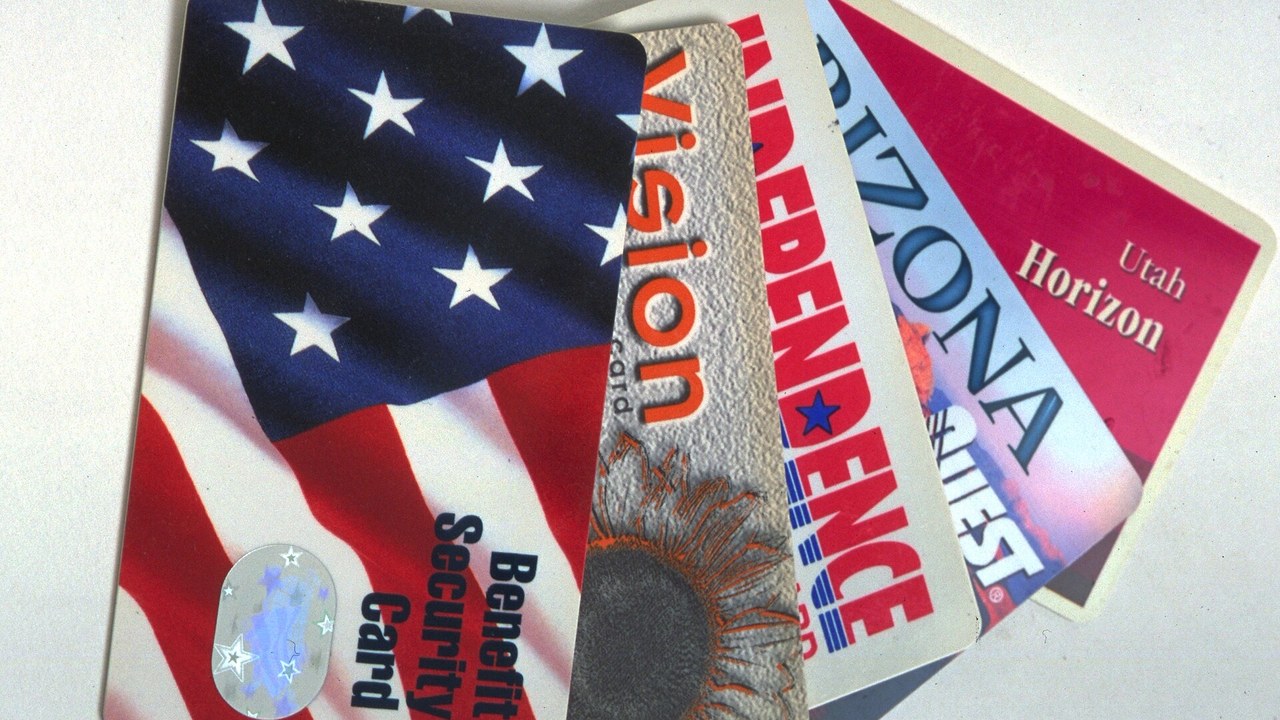
Veterans, homeless people and former foster youth no longer have an exemption from the food stamp work clock, which now runs to age 64
The federal food stamp program, SNAP, limits some adults to three months of benefits in three years unless they work. The 2025 law known as the One Big Beautiful Bill Act ended three exemptions from that work clock: for veterans, for people experiencing homelessness, and for people 24 or younger who were in foster care…
-

A back-wage claim needs one ID document, such as a Social Security card or pay stub, and pays only electronically
A worker with back wages recovered by the Labor Department has to send in one identity document and will be paid only by electronic transfer. The Wage and Hour Division’s Workers Owed Wages page lists the accepted documents, and it says: “Starting October 1, 2025, all payments will be made electronically.” The page sets out…
-
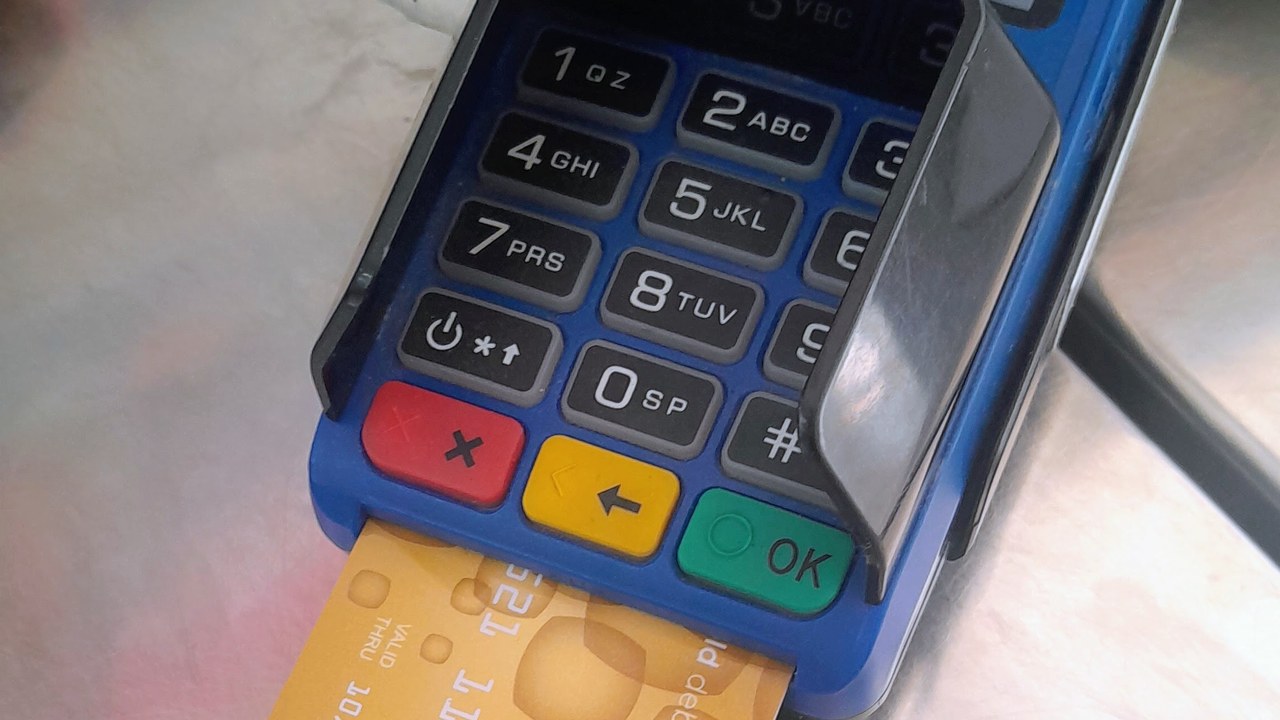
Direct Express charges no monthly fee and no overdraft fee
The Direct Express card that carries federal benefit payments such as Social Security and SSI charges no monthly fee and no overdraft fee, the Treasury Department says. The Fiscal Service’s Direct Express page, last updated September 1, 2026, lists the line plainly: “No monthly fees or overdraft fees.” That is the headline, but the card…
-
The consumer bureau says it will investigate nine of the largest banks over debanking
The Consumer Financial Protection Bureau says it will investigate the nation’s nine largest national banks over debanking, the practice of denying or restricting customers’ access to banking. The announcement came Oct. 14 and builds on a report from the Office of the Comptroller of the Currency. It is an announced investigation, not an order, a…
-

Claiming recovered back wages needs a login.gov account and about six weeks
Workers who are owed back wages recovered by the U.S. Department of Labor can claim them online, and the claim takes a Login.gov account and about six weeks. The department’s Wage and Hour Division, known as WHD, runs the process through its Workers Owed Wages tool. All payments have been electronic since October 1, 2025.…
-

Direct Express gives one free ATM withdrawal for each monthly federal deposit
The Direct Express Debit Mastercard gives its holder one free ATM cash withdrawal for each deposit posted to the card account each month, according to the U.S. Treasury. The card is how many people receive Social Security, SSI and Veterans payments without a bank account. The allowance is tied to the deposit, not to the…
-
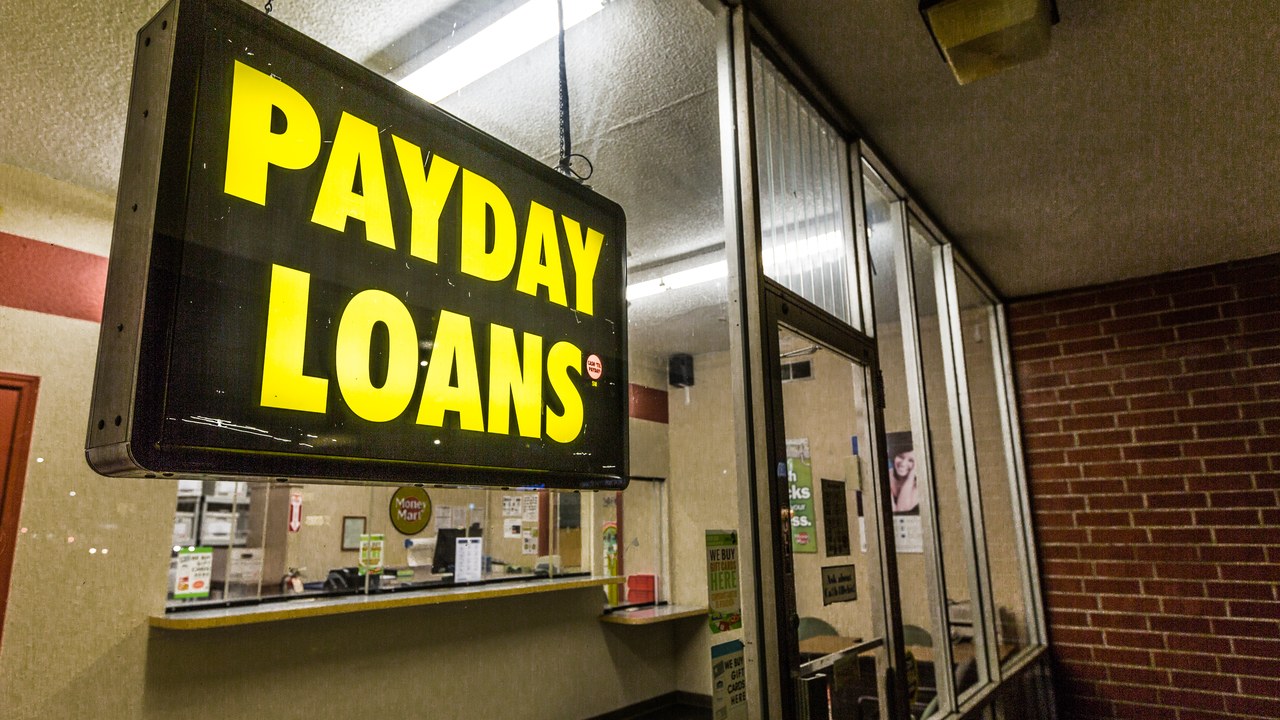
Bright Lending would cancel borrowers’ balances or pay at least $15 in cash under a proposed settlement
Bright Lending would cancel the balances of some borrowers and pay others at least $15 in cash under a proposed $15 million class action settlement. The lender, which operates as Aaniiih Nakoda Finance, LLC, denies any wrongdoing. The settlement website says no claim form is needed. Borrowers who want a payment sent electronically, or who…
-
The non-bank ATM fee settlement reaches back almost nineteen years, to October 2007, and covers withdrawals through August 14, 2026
A proposed $167.5 million settlement over surcharges at non-bank ATMs covers almost nineteen years of cash withdrawals. The class period runs from October 24, 2007, to August 14, 2026, which is almost nineteen years. Anyone who paid a fee at an independent machine in that span and was not fully paid back by their bank…