
Author: Brian Lund
-

A judge’s October 5 approval clears payments to people who filed in the Flagstar data-breach case, a class of about 2.19 million, with cash estimated at $60 each
A federal court has given final approval to the Flagstar Bank data-breach settlement, which opens the way for payments to people who filed claims. The settlement website says the Court issued a Final Approval Order and Judgment on October 5, 2026. The case covers a class of about 2.19 million people, and the cash payment…
-

Social Security gives back the months it withheld from a working retiree once that person reaches full retirement age, recalculating the benefit rather than keeping it
Benefits that Social Security holds back from a working retiree are not gone for good. When that person reaches full retirement age, the agency recalculates the monthly benefit to credit the months that were reduced or withheld. Social Security describes the process on its page on working while receiving benefits, and it matters to anyone…
-
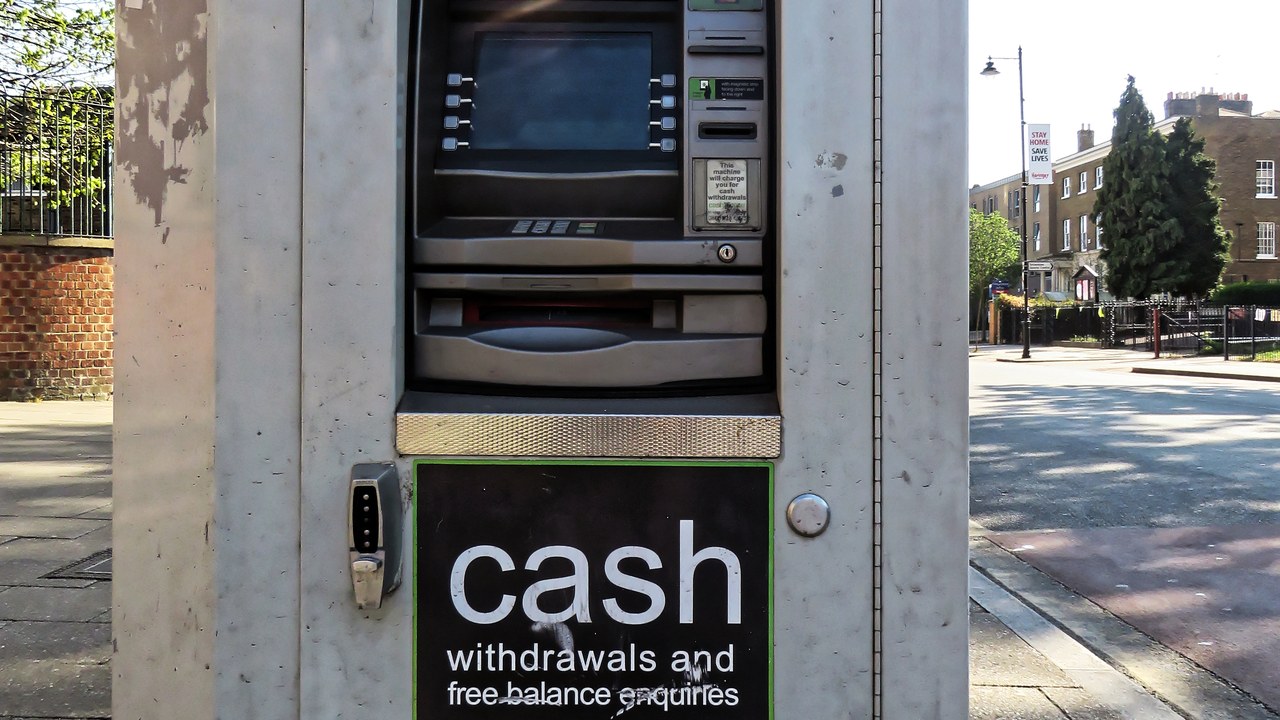
Anyone whose own bank refunded a non-bank ATM fee in full falls outside the Visa and Mastercard settlement class, and four states have classes of their own
A $167.5 million settlement with Visa and Mastercard over fees at non-bank ATMs covers people who were not fully reimbursed by their own bank. Anyone whose bank already refunded the ATM surcharge in full falls outside the class, according to the settlement notice. The nationwide class covers people in the United States who paid a…
-

Amazon’s automatic Prime refunds expire 60 days after they are issued, and the FTC’s three-part test leaves out anyone who used more than 20 Prime benefits in a year
Amazon’s automatic Prime refunds come with a clock. The Federal Trade Commission says each payment expires 60 days after the date it is issued, so a check left in a drawer or an electronic payment left unaccepted can lapse. The refunds come from the FTC’s settlement with Amazon over how people were signed up for…
-

A law-firm analysis of the CMS rule projects 2.3 million fewer people on Medicaid in fiscal year 2027, once the new work-reporting rule reaches the expansion group
A law firm’s analysis of a new federal work-reporting rule says about 2.3 million fewer people will be on Medicaid in fiscal year 2027. The Centers for Medicare & Medicaid Services issued the rule on June 1, 2026, and it applies to adults in the group of states that expanded Medicaid. The estimate appears in…
-

SSI subtracts what a disabled worker spends on the things needed to hold the job down before it counts any of the wages
Social Security treats some of what a disabled worker spends to do the job as money that never counts against a Supplemental Security Income check. Before the agency measures a worker’s wages against the SSI rules, it subtracts the cost of items and services the worker needs in order to work. The rule is easy…
-

Treasury is moving the Direct Express card from Comerica to Fifth Third, and cardholders can keep using the old card until the replacement arrives
People who get Social Security, SSI and other federal benefits on a Direct Express prepaid card are in the middle of a bank change. Treasury is moving the program from Comerica Bank to Fifth Third Bank, and cardholders can keep using the Comerica card until the Fifth Third card arrives. No cutoff date for the…
-

A law signed October 15 writes into federal retirement law how a closely held company’s stock must be valued for the employees who own it through an ESOP
Employees who own part of their company through an Employee Stock Ownership Plan, or ESOP, now have a federal definition behind the price put on that stock. The Retire through Ownership Act was signed into law on October 15, 2026, and it writes into the Employee Retirement Income Security Act of 1974, known as ERISA,…
-

Social Security gives a debtor 60 days after the due process notice to pay in full, set up installments or appeal before the debt goes to the Treasury Offset Program
A Social Security debtor has a 60-day window that starts with the due process notice. Inside it, the debtor can repay the overpayment in full, arrange installments or appeal. If none of that happens, the debt is selected for the Treasury Offset Program and for credit bureau reporting. After that point, staff tell debtors, the…
-

The Labor Department holds unclaimed back wages for three years
When the Labor Department recovers back wages for a worker and then cannot find that worker, it does not give up right away. The department’s Wage and Hour Division says it holds the money for three years while it keeps trying to locate the person. If it still cannot, the money goes to the U.S.…