
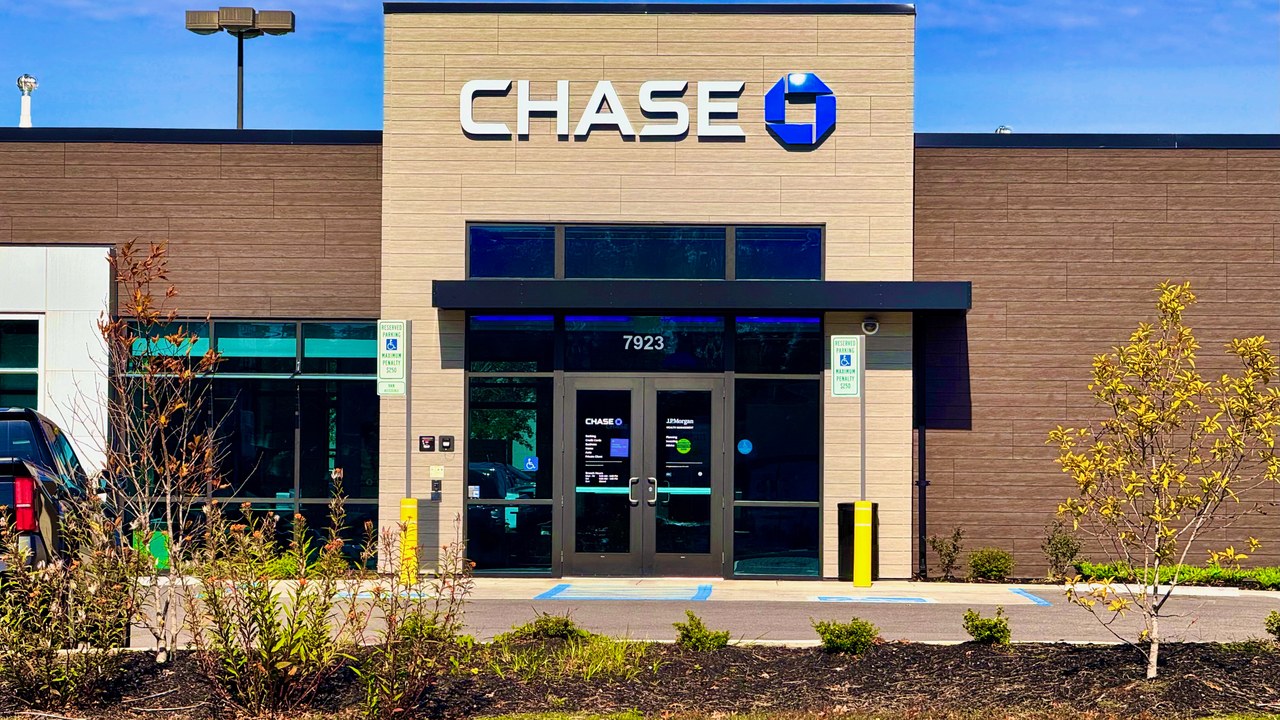
The Consumer Financial Protection Bureau says it will investigate the nation’s nine largest national banks over debanking, the practice of denying or restricting customers’ access to banking. The announcement came Oct. 14 and builds on a report from the Office of the Comptroller of the Currency. It is an announced investigation, not an order, a settlement or a payment.
The bureau’s acting director, Mark Paoletta, said the CFPB “will fully investigate whether the institutions featured in OCC’s report and others have complied” with federal consumer financial laws, and will take appropriate action.
Which nine banks are named?
The CFPB’s announcement lists the banks from the OCC report: JPMorgan Chase Bank, Bank of America, Citibank, Wells Fargo Bank, U.S. Bank, Capital One, PNC Bank, TD Bank and BMO Bank. The bureau says its authority covers banks with more than $10 billion in assets, which includes all nine, and certain nonbank financial institutions.
The OCC report, titled “Guaranteeing Fair Banking for All Americans,” concluded that the nine largest national banks under its supervision maintained policies or engaged in practices that denied or restricted financial access. The CFPB says those actions were based on customers’ political or religious beliefs or their otherwise lawful business activities. The report includes excerpts from bank documents, including emails.
Entire business sectors were affected, according to the bureau, most notably firearms, oil and gas, and tobacco. Neither the CFPB nor the page that announced the initiative gives a count of customers or accounts, and no dollar figure appears either.
What laws will the investigation test?
The bureau says it will evaluate compliance with the Equal Credit Opportunity Act, the Fair Credit Reporting Act, with particular attention to its adverse action notice requirements, and the federal prohibition on unfair, deceptive or abusive acts or practices. It says it will open investigations when warranted.
Retirement deadlines, in your inbox: Miss an enrollment or claim deadline and the money can be gone. Join the Retirement Money Brief and we’ll send you our Bank, Debt & Protected-Benefit Checkup as a welcome gift.
Get the Brief + the bank checkup →
We may earn a commission from links on this page.
Adverse action notices are the notices that the Fair Credit Reporting Act requires when a company takes an unfavorable step against a consumer. The bureau has not said which closures or denials, if any, it is looking at under that law.
The announcement stresses investigations and enforcement. It also notes the bureau’s primary supervisory authority over these banks, but it does not describe any examination or supervisory step tied to this initiative.
What does Executive Order 14331 have to do with it?
The CFPB describes the initiative as part of its work to carry out Executive Order 14331, titled “Guaranteeing Fair Access to Banking for All Americans.” The link in the release points to an August 2025 White House action, and the release does not spell out the order’s provisions.
The bureau says it previously reviewed its Examination Manual, guidance, regulations and other materials to make sure they do not contain “reputation risk” concepts that could lead to unlawful debanking. It is also reviewing consumer complaints, supervisory data and enforcement data for signs of unlawful debanking, and says it is pursuing its own investigations based on that data.
Where can a customer take a closed account?
For a customer whose bank shut an account or cut off services with no explanation, the question is whether any of this applies and where the problem goes. The bureau’s answer is its complaint system. It recently updated its website and complaint portal with information about debanking and says it encourages anyone who believes they were debanked to submit a complaint at consumerfinance.gov/complaint.
What happens next, and what has not been said?
The release names the next steps as investigations of the nine banks and other institutions to determine compliance, and continued review of complaints, supervisory data and enforcement data. It gives no timeline, no outcome and no response from any of the banks.
Nothing in the announcement promises relief to any customer. The bureau has not said whether it will seek refunds or other remedies for people who lost access to accounts, and it has not set a deadline for complaints. For now, the practical step the agency itself points to is a documented complaint.
Whether the investigations reach ordinary customers whose accounts were closed for reasons unrelated to beliefs or business sector is the open question. The bureau’s page ties the effort to the OCC findings, which focus on beliefs and lawful business activities.
Bank closed an account without saying why?
A closed or frozen account can leave a Social Security deposit stranded, and the bureau’s investigation has set no deadline and promised no remedy for any customer.
The Bank Account & Debt Protection Kit covers the 2-month bank protection rule and the frozen-account response, and Part 3, Keeping Benefits Provably Exempt, shows how deposited benefits stay documented as protected money.
Get the account-closure checklist and appeal steps →
More Financial Reading
- 21 Ways to Stretch a $2,087 Social Security Check
- 15 Places to Find Your Share of the $4.25 Billion States Give Back
- 15 Ways Out of 22% Credit Card Interest
This article was produced with AI assistance and edited for accuracy against the sources linked above.


