
Category: Consumer Rights
-
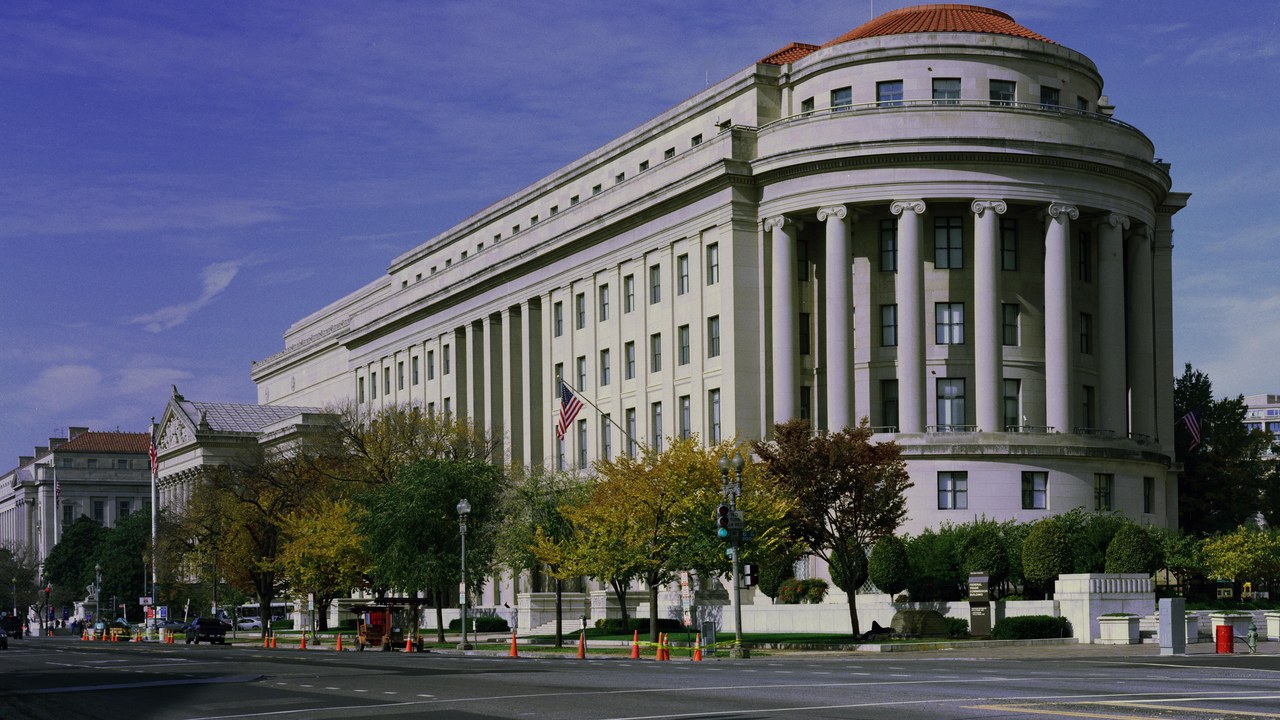
Shoppers have until September 25 to tell the FTC whether stores may set prices using personal data
The Federal Trade Commission has given the public until September 25 to weigh in on whether retailers may use a shopper’s personal data to decide what price that shopper sees. The comment window covers a proposed enforcement policy statement, not a finished rule, and it says nothing about banning the practice outright. Comments are filed…
-

Southern Glazer’s will pay $12.5 million over false invoices and retailer bribes
Southern Glazer’s Wine and Spirits, the largest wine and spirits distributor in the United States, will pay $12.5 million under a non-prosecution agreement that resolves a federal investigation into bribes paid to employees of alcohol retailers, including chain grocery stores, and false invoices used to hide them. The U.S. Attorney’s Office for the Northern District…
-

Fuel-card company Corpay will pay $100 million to customers hit with hidden fees
Corpay, the fuel-card company formerly known as FleetCor Technologies, and its chief executive Ronald Clarke will pay $100 million to settle a Federal Trade Commission action over hidden and unauthorized fees, the agency said September 17, 2026. The money will be used for redress to the company’s business customers, most of them small businesses, who…
-

The FTC says a car’s advertised price must be what anyone can walk in and pay
Federal regulators moved this month to spell out, in plain terms, what an advertised car price is supposed to mean. On September 15, 2026, staff at the Federal Trade Commission published a set of frequently asked questions telling the auto industry exactly which costs belong in the sticker price and which ones a dealer can…
-
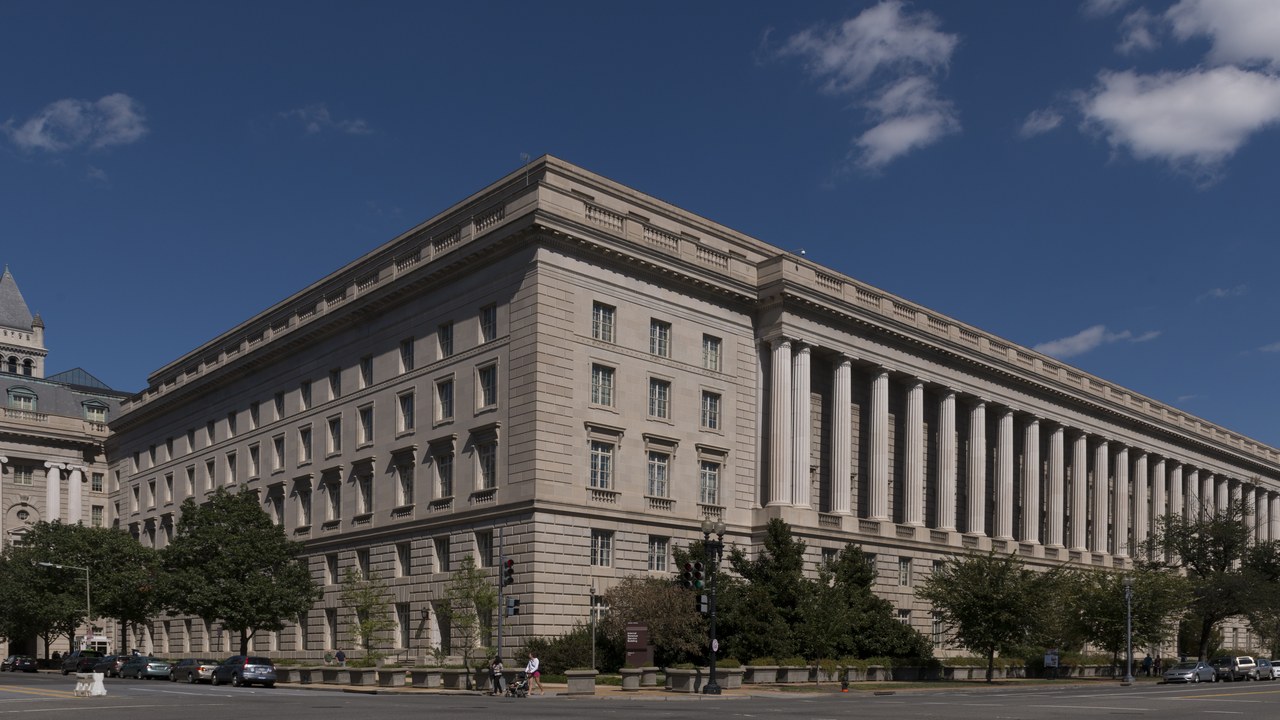
A private collection agency working for the IRS cannot put a lien on a house or touch a bank account
A caller who says an old tax bill has been handed to a collection agency is not automatically lying. The IRS really has contracted with a small number of outside firms to work certain overdue accounts, and one of them may be the voice on the other end of the line. What that caller cannot…
-
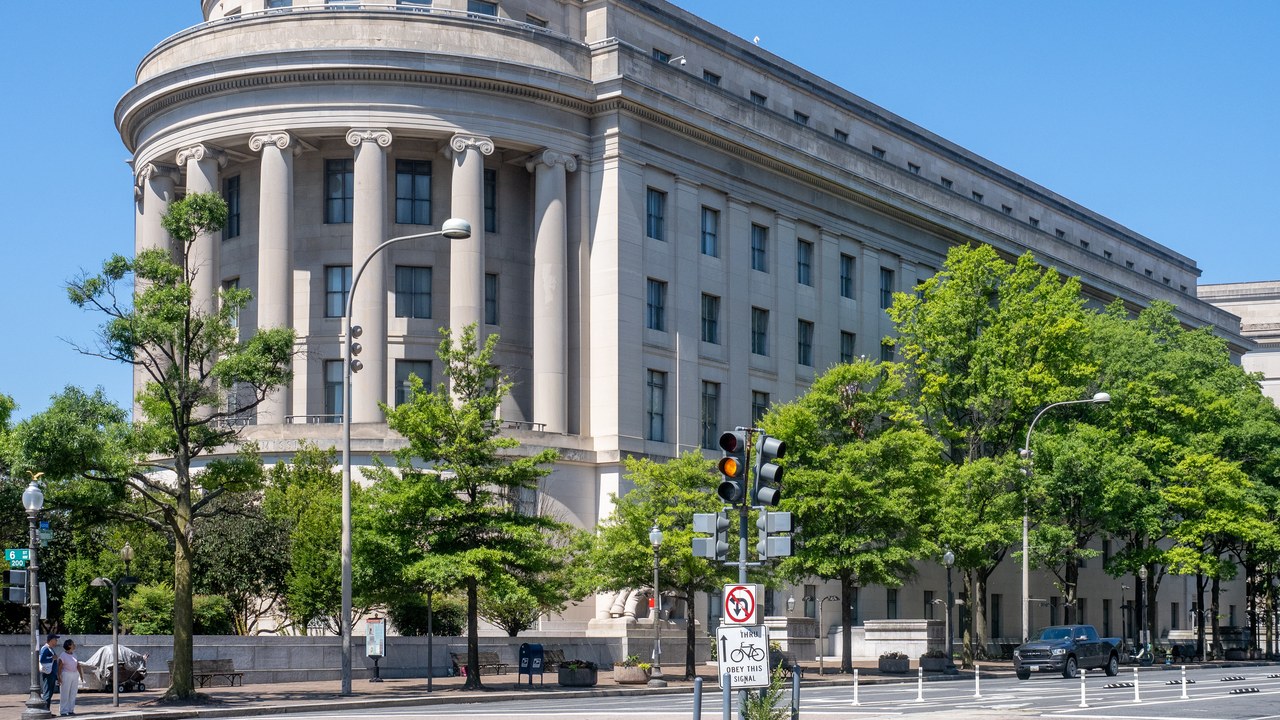
The Federal Trade Commission pulled its car dealer fee rule and its ban on non-compete agreements in the same action
One federal notice erased two very different protections on the same day. On February 12, 2026, the Federal Trade Commission published a single Federal Register action that withdrew its rule against hidden car-dealer fees and struck its ban on employer non-compete agreements from the federal code. Both rules had already spent more than a year…
-

The rule requiring companies to make cancelling as easy as signing up is dead and has not come back
Subscription and membership plans that renew automatically got a lot harder to escape cleanly when a federal court threw out the rule meant to fix that problem. The Federal Trade Commission’s amended Negative Option Rule, which would have forced sellers to make cancelling at least as easy as signing up, never took effect. More than…
-
The Federal Trade Commission is weighing whether a store may quietly show one shopper a higher price than another
A gallon of milk, a mattress, or a plane ticket could carry two different price tags for two different shoppers looking at the same website, and neither shopper would ever know it happened. The Federal Trade Commission has opened a formal review of exactly that possibility, asking whether a retailer that uses a customer’s personal…
-

Tax preparers are now required by federal rule to use two-step login before opening a client’s file
When a paid tax preparer sits down to open a client’s return this season, a federal security rule now stands between that preparer and the file. Under the Federal Trade Commission’s Safeguards Rule, tax preparation firms must use a second layer of login verification, not just a password, before anyone on staff can view a…
-

The Federal Trade Commission says Amazon hid a surcharge in its ad auctions and shoppers paid for it
When the Federal Trade Commission and attorneys general from 22 states sued Amazon on August 31, 2026, they described a pricing scheme that never showed up on any receipt. The lawsuit alleges that for more than seven years, Amazon quietly charged advertisers more than its own auction rules promised, and that those extra advertising costs…