
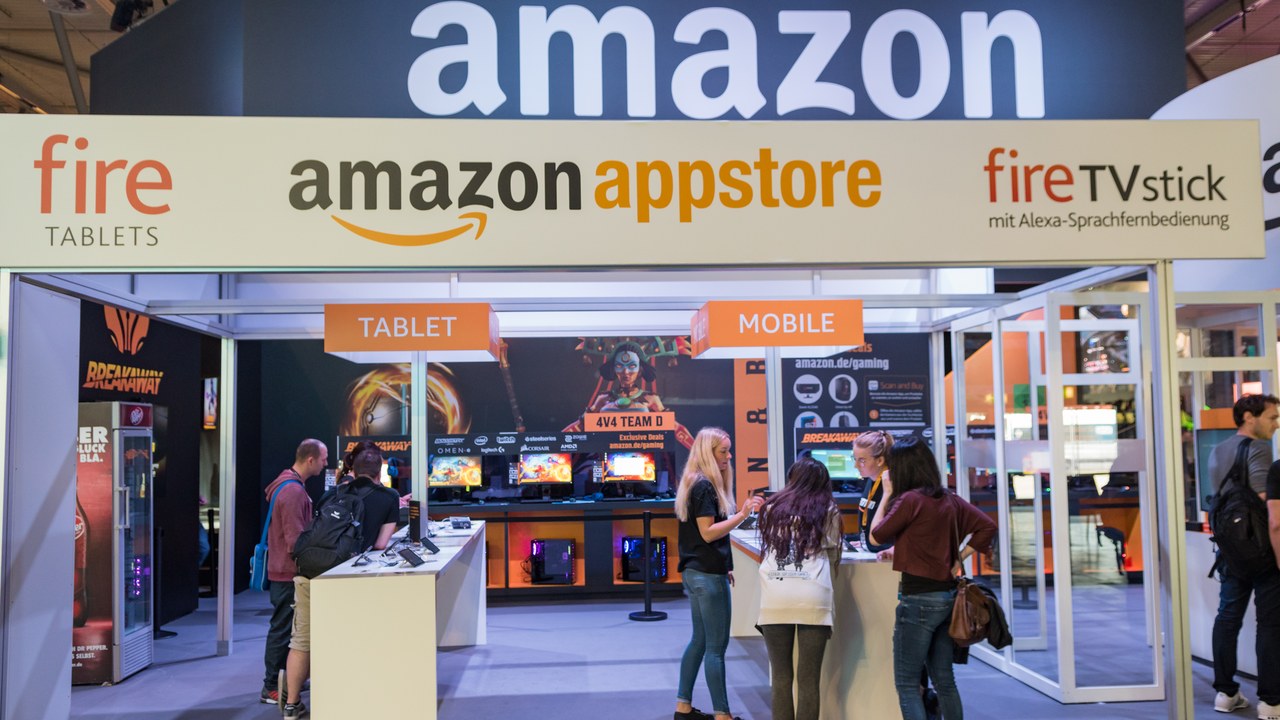
When the Federal Trade Commission and attorneys general from 22 states sued Amazon on August 31, 2026, they described a pricing scheme that never showed up on any receipt. The lawsuit alleges that for more than seven years, Amazon quietly charged advertisers more than its own auction rules promised, and that those extra advertising costs flowed into the prices households pay for the products themselves. For anyone who has ever wondered why a “sponsored” listing costs a seller more than it should, the case lays out, in Amazon’s own internal words, why.
Amazon Promised a “Second Price” Auction, Then Quietly Changed It
Amazon’s advertising business runs on auctions. Sellers and brands bid for the right to have their product appear as a Sponsored Products, Sponsored Brands or Display ad when a shopper types a keyword into Amazon’s search bar, and for years Amazon told advertisers it ran a “second price” auction, the accepted industry standard, in which the winner pays only one cent more than the next-highest bidder. That structure matters because it changes how advertisers bid: in a genuine second-price auction, bidders can safely bid closer to what an ad slot is actually worth to them, since they will only ever be charged the minimum needed to win.
According to the FTC’s press release announcing the complaint, Amazon changed its auction rules without telling anyone starting in 2019, adding an undisclosed charge that Amazon’s own staff called a “soft reserve price.” The complaint quotes an Amazon executive describing the price advertisers actually paid as a “proxy 2nd price that we calculate,” not a figure set by a real competing bidder, and another internal document referring to an “invented auction participant” used to push prices higher.
Free retirement updates: One number can cost or save hundreds a month in retirement. The free Retirement Shield newsletter surfaces the ones worth knowing. Sign up free.
The Surcharge Grew From a Third of Auctions to Roughly Four in Five
The complaint filed in the case traces how often advertisers ended up paying their own full bid, rather than the lower “second price” they were told to expect, as the years passed. For Sponsored Products ads, that share rose from between 30% and 40% in 2021, to about 70% in 2022, to roughly 80% by 2024. In practical terms, a nominally second-price auction had, by Amazon’s own internal measurement, become something much closer to a first-price auction, where the winner simply pays whatever they bid.
The complaint alleges this was not an accident of market conditions but a deliberate design choice, one Amazon monitored and adjusted to hit internal revenue targets. One Amazon employee quoted in the complaint called the arrangement “good for Amazon” precisely because “advertisers must pay more for the same advertising,” while the benefit “comes at the cost of advertisers.”
More Than One Million Advertisers, Tens of Billions of Dollars
The scale alleged in the case is large. The FTC and the states say the scheme touched more than one million brands and sellers who advertised on Amazon.com and its mobile app, including more than 500,000 small and medium-sized businesses, and that it likely extracted tens of billions of dollars from those advertisers over the life of the scheme. The case, filed in the U.S. District Court for the Western District of Washington, followed a 2-0 vote by the Commission to authorize the lawsuit, and was joined by attorneys general in states including California, New York, Florida, Illinois, Pennsylvania and Washington, among others named in the FTC’s case page for Amazon.
Why the Surcharge Was Timed to Prime Day and Black Friday
One detail in the complaint speaks directly to household budgets: the alleged surcharge was not steady. According to the FTC, Amazon “carefully ramps up surcharges” ahead of its highest-volume shopping events, including Prime Day and Black Friday, then eases them back down afterward, a pattern the complaint says was designed to disguise the price increase from advertisers who might otherwise notice and pull back their spending. Those are also the exact days when the largest share of American households are doing their own shopping, meaning any pass-through cost from higher ad prices would land hardest during the specific weeks consumers are buying the most.
How an Advertiser’s Ad Bill Becomes a Shopper’s Price Tag
Sellers do not treat advertising as a cost that disappears into thin air; it is a business expense, and businesses generally build their expenses into what they charge. That is the link Chairman Andrew Ferguson drew directly when the case was announced: “Amazon has millions of advertising customers who were misled into paying significantly higher prices,” he said. “These higher costs were largely passed on to American consumers.” The complaint does not put a specific dollar figure on how much of the alleged tens of billions in extra advertiser costs reached individual shoppers, since that pass-through would vary by seller, product and category, but the mechanism the FTC describes, a seller’s rising ad bill becoming part of a product’s retail price, is the same one that plays out any time a business expense goes up.
What the Case Says Happens Next
The FTC has not proven its allegations, and Amazon has not yet had its opportunity to answer the claims in court; the filing is the opening move in litigation, not a verdict, fine or settlement. There is no refund program, claim form or payment tied to the case for either advertisers or shoppers at this stage. The Commission’s press release lists the attorneys handling the matter out of the FTC’s Northeast Regional office and notes the case now proceeds in the Western District of Washington, where Amazon is headquartered, putting the company’s own account of its auction pricing squarely in front of a federal judge for the first time.
The order of the first hour
After a scam call or a stolen account number, which call gets made first decides how much is recoverable.
The Senior Fraud Defense & First-Hour Recovery Kit includes a 9-page kit, the first-hour recovery plan and the family code word.
See the first-hour recovery plan in The Senior Fraud Defense & First-Hour Recovery Kit.
This article was produced with AI assistance and reviewed by a human editor. Figures are linked to their primary sources; where a claim could not be verified from the public record, we say so.


