
Category: Saving & Banking
-
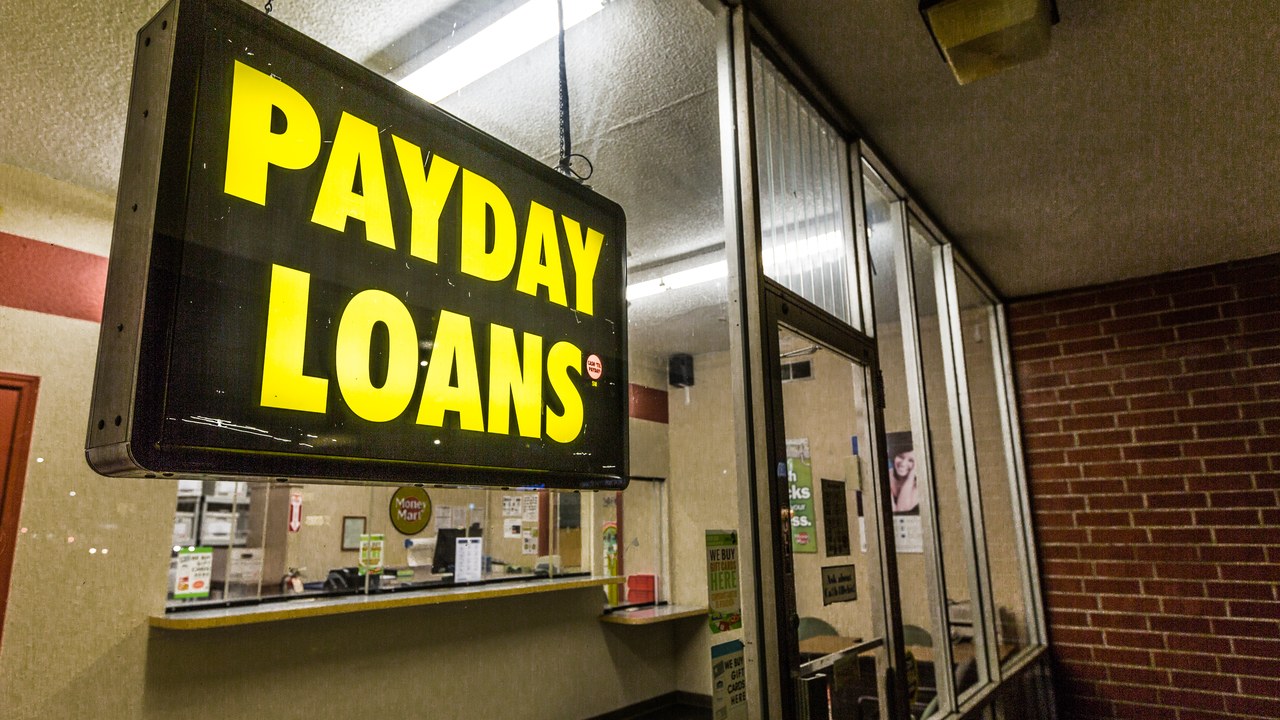
Bright Lending would cancel borrowers’ balances or pay at least $15 in cash under a proposed settlement
Bright Lending would cancel the balances of some borrowers and pay others at least $15 in cash under a proposed $15 million class action settlement. The lender, which operates as Aaniiih Nakoda Finance, LLC, denies any wrongdoing. The settlement website says no claim form is needed. Borrowers who want a payment sent electronically, or who…
-

The non-bank ATM fee settlement reaches back almost nineteen years, to October 2007, and covers withdrawals through August 14, 2026
A proposed $167.5 million settlement over surcharges at non-bank ATMs covers almost nineteen years of cash withdrawals. The class period runs from October 24, 2007, to August 14, 2026, which is almost nineteen years. Anyone who paid a fee at an independent machine in that span and was not fully paid back by their bank…
-
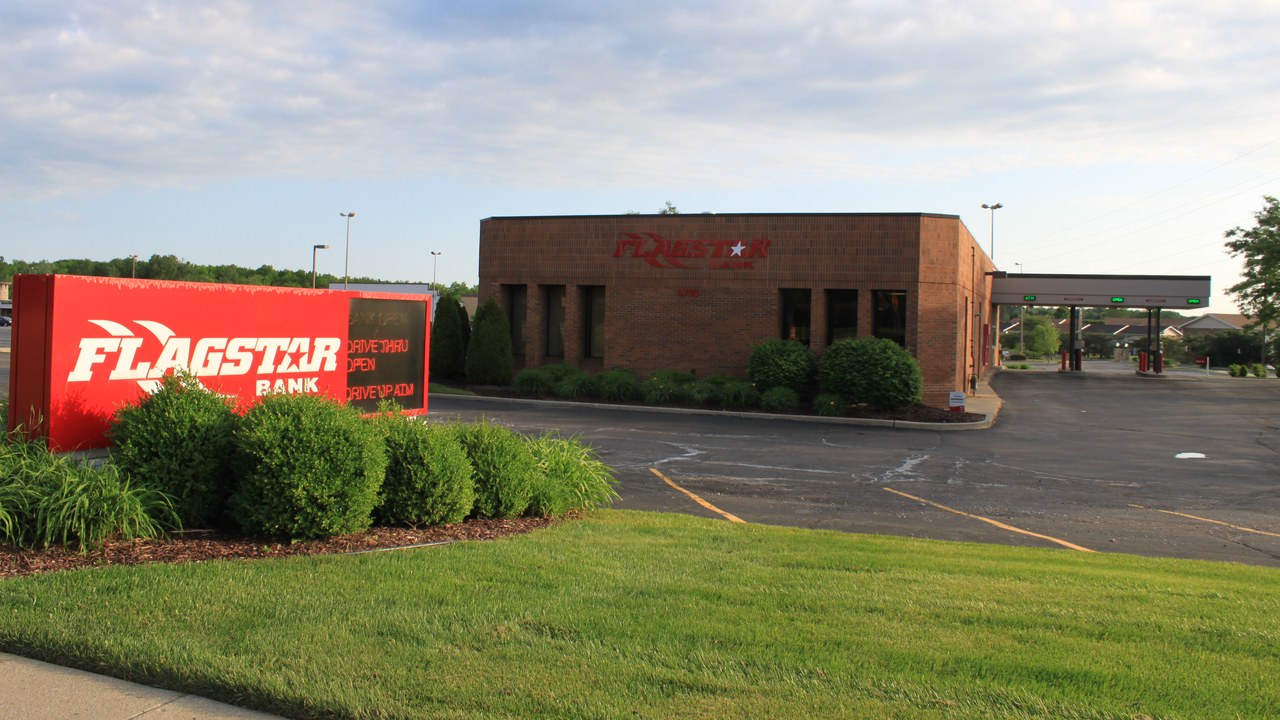
A judge’s October 5 approval clears payments to people who filed in the Flagstar data-breach case, a class of about 2.19 million, with cash estimated at $60 each
A federal court has given final approval to the Flagstar Bank data-breach settlement, which opens the way for payments to people who filed claims. The settlement website says the Court issued a Final Approval Order and Judgment on October 5, 2026. The case covers a class of about 2.19 million people, and the cash payment…
-
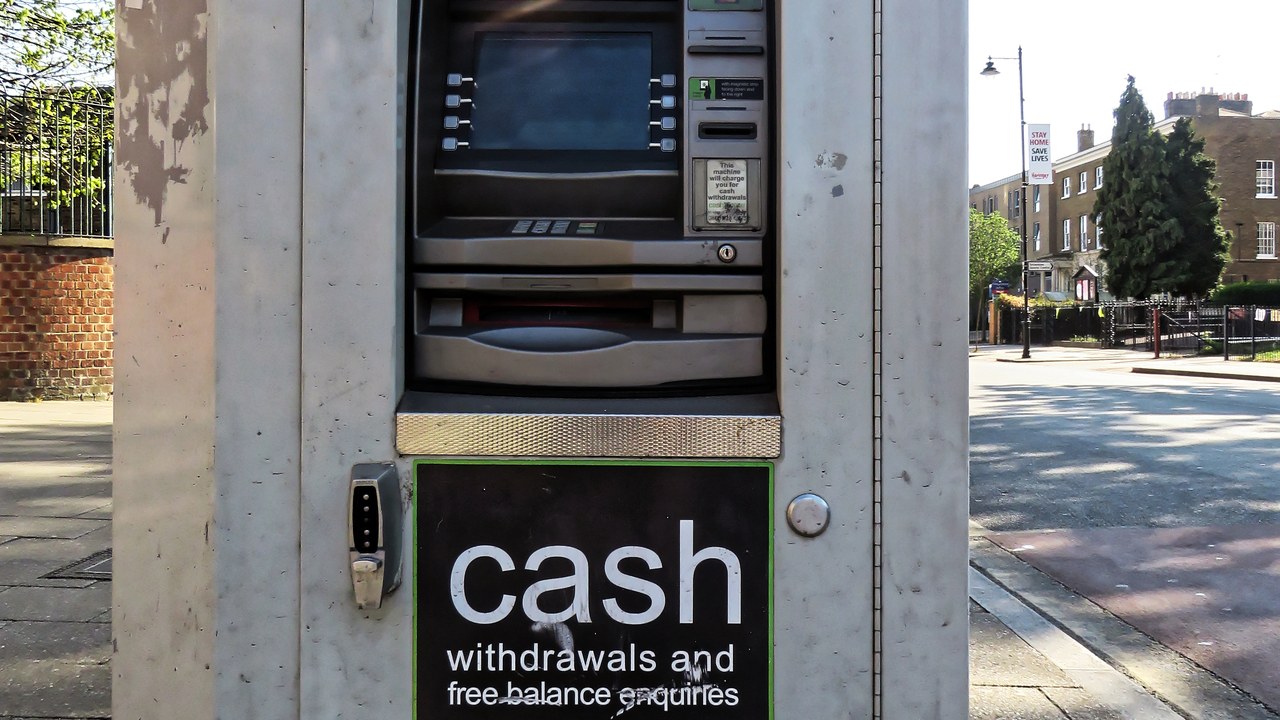
Anyone whose own bank refunded a non-bank ATM fee in full falls outside the Visa and Mastercard settlement class, and four states have classes of their own
A $167.5 million settlement with Visa and Mastercard over fees at non-bank ATMs covers people who were not fully reimbursed by their own bank. Anyone whose bank already refunded the ATM surcharge in full falls outside the class, according to the settlement notice. The nationwide class covers people in the United States who paid a…
-

Amazon’s automatic Prime refunds expire 60 days after they are issued, and the FTC’s three-part test leaves out anyone who used more than 20 Prime benefits in a year
Amazon’s automatic Prime refunds come with a clock. The Federal Trade Commission says each payment expires 60 days after the date it is issued, so a check left in a drawer or an electronic payment left unaccepted can lapse. The refunds come from the FTC’s settlement with Amazon over how people were signed up for…
-

Treasury is moving the Direct Express card from Comerica to Fifth Third, and cardholders can keep using the old card until the replacement arrives
People who get Social Security, SSI and other federal benefits on a Direct Express prepaid card are in the middle of a bank change. Treasury is moving the program from Comerica Bank to Fifth Third Bank, and cardholders can keep using the Comerica card until the Fifth Third card arrives. No cutoff date for the…
-

Social Security gives a debtor 60 days after the due process notice to pay in full, set up installments or appeal before the debt goes to the Treasury Offset Program
A Social Security debtor has a 60-day window that starts with the due process notice. Inside it, the debtor can repay the overpayment in full, arrange installments or appeal. If none of that happens, the debt is selected for the Treasury Offset Program and for credit bureau reporting. After that point, staff tell debtors, the…
-

The federal pension insurer searches unclaimed benefits on four SSN digits
The Pension Benefit Guaranty Corporation, the federal agency that insures private pensions, runs an online search for retirement money it is holding for people who were never paid. It asks for just two things, a last name and the last four digits of a Social Security number. The database was last updated on August 5,…
-
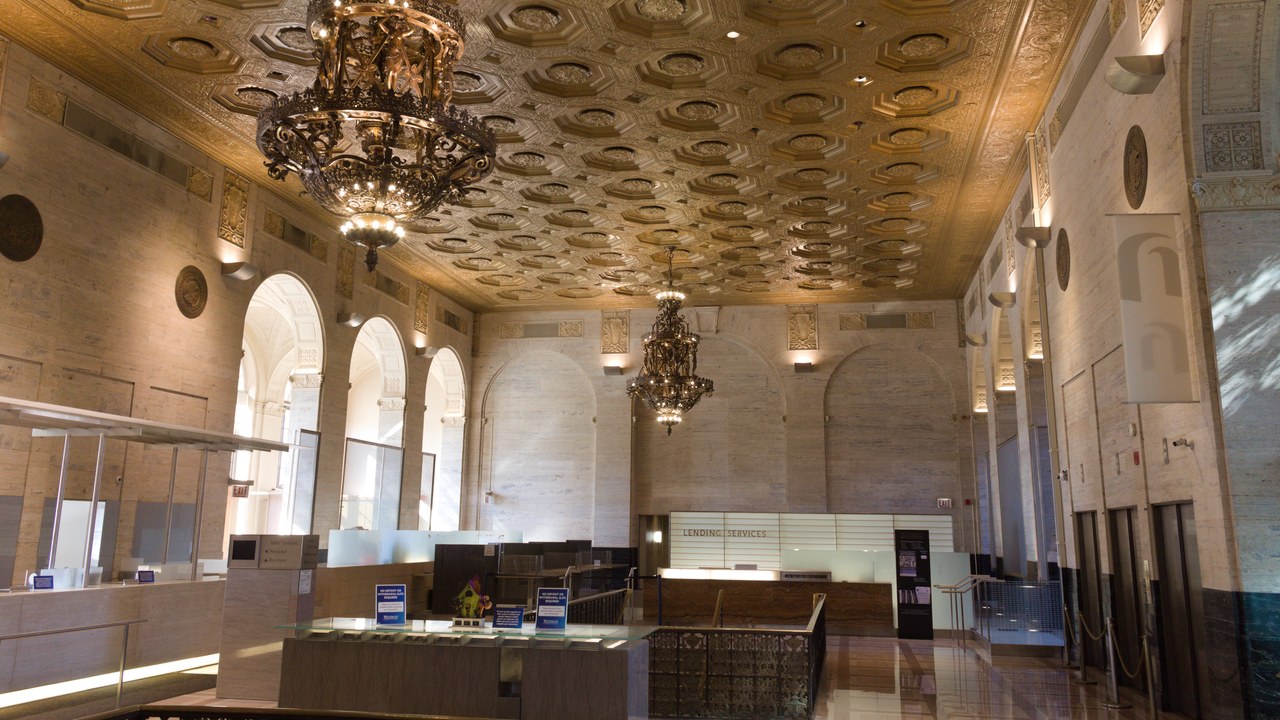
The comptroller said on October 14 that the OCC has struck reputation risk from bank supervision
Comptroller of the Currency Jonathan V. Gould said on October 14, 2026 that the Office of the Comptroller of the Currency has eliminated reputation risk from its supervision of banks. He spoke as the agency released a report finding that the nine largest national banks it oversees had policies that limited or denied services to…
-

The CFPB lists 30 open redress cases and no payment dates
The Consumer Financial Protection Bureau is tracking 30 ongoing cases in which money is meant to reach people harmed by financial companies, and it has not posted a payment date for a single one. Another 49 cases are listed as closed. For anyone who dealt with one of the companies named, the list shows that…