
Category: Saving & Banking
-

The FTC is now paying old refund rounds by Zelle
People who let a Federal Trade Commission refund check sit in a drawer, or never tapped the PayPal payment, are getting a second chance by Zelle. The FTC is now paying some older refund rounds that way, putting the money straight into a bank account. The new method appears on several refund programs, including AT&T…
-

Treasury now requires every federal benefit payment to be electronic unless a waiver applies
The U.S. Treasury Department says all federal benefit payments must now be paid electronically. That covers Social Security, Supplemental Security Income, Veterans’ benefits, civil service retirement, military retirement and railroad retirement, according to the Bureau of the Fiscal Service’s direct deposit FAQ. The rule is firm but not absolute. Treasury’s own site says electronic payment…
-

Federal law bars employers from firing a worker because their wages were garnished for a single debt
An employer cannot legally fire a worker because the worker’s wages were garnished for a single debt. That protection comes from federal law, and it applies no matter how many times a collector sends the employer a garnishment order to collect that one debt. The Department of Labor’s Wage and Hour Division explains in its…
-
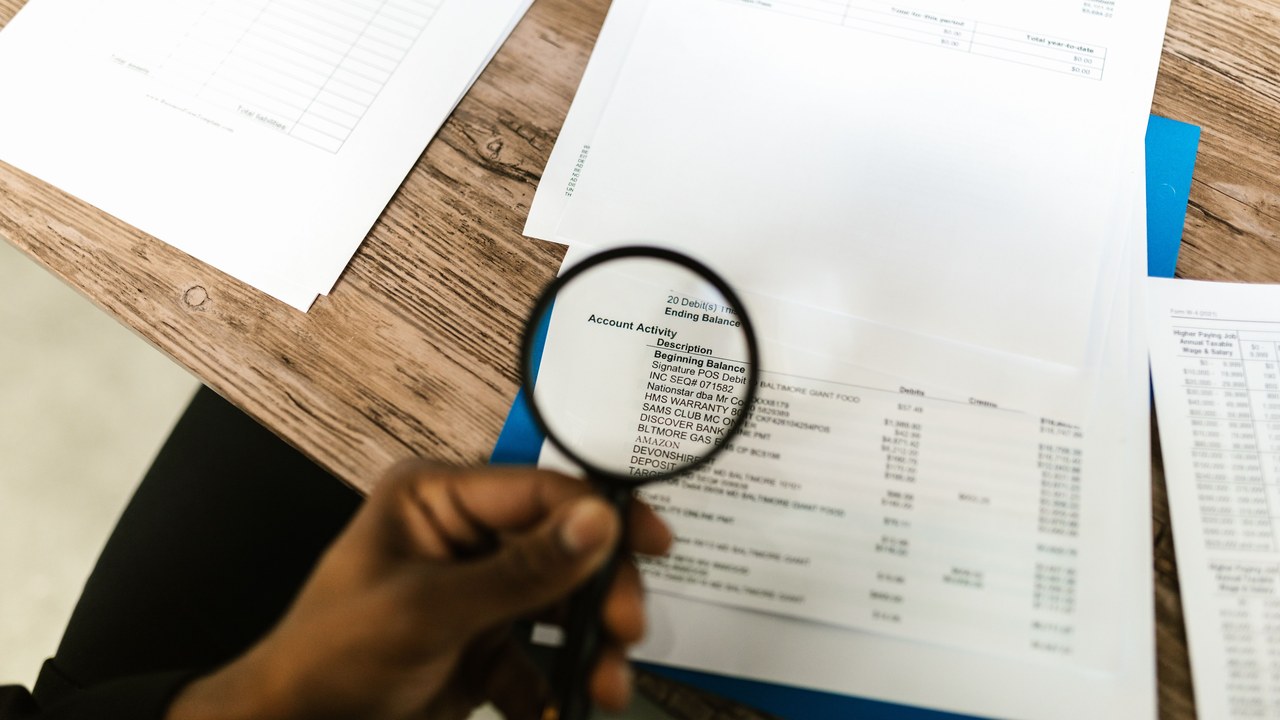
State unclaimed-property offices let owners and heirs search for forgotten accounts for free
Every state runs a program that holds forgotten money for its owners, and searching it costs nothing. The Federal Trade Commission says every state has a process to search for unclaimed funds for free. A site called MissingMoney.com, managed by the National Association of Unclaimed Property Administrators, is free as well and searches many states…
-

Treasury says paper-check waivers for federal benefits stay in effect until further notice
Treasury says the procedures for getting a waiver from the electronic payment rule remain in place for now. The Bureau of the Fiscal Service wrote that existing electronic payment waiver procedures remain in effect until further notice. That matters to anyone who still gets a federal benefit check in the mail. Since Sept. 30, 2025,…
-

Debt collectors must send validation information, and consumers get a 30-day window to dispute the debt
A debt collector has to send a consumer a written breakdown of the debt, called validation information, and the consumer then has 30 days to dispute it. The rules come from the Consumer Financial Protection Bureau (CFPB), which wrote them into Regulation F. A dispute made in writing inside that window makes the collector stop…
-

Debt collectors cannot sue or threaten to sue over debts past the state time limit, the CFPB says, but a partial payment can restart the clock in some states
Debt collectors cannot sue, or threaten to sue, over a debt that is past the state time limit for lawsuits, the Consumer Financial Protection Bureau says. In some states, though, a partial payment or even a promise to pay can bring an old debt back to life and restart that clock. For anyone getting calls…
-

Student loan borrowers left in SAVE forbearance earn no Public Service Loan Forgiveness credit for those months, the Education Department says
Months spent in the SAVE forbearance do not count toward Public Service Loan Forgiveness, the Education Department’s Federal Student Aid office says. For borrowers working toward forgiveness in government or nonprofit jobs, that means the time can pass with no progress on the 10-year clock. Federal Student Aid, the department’s student aid office, states it…
-

Pennsylvania Treasury returned more than $334 million in unclaimed property last year, a record
Pennsylvania Treasury says it returned a record of more than $334 million in unclaimed property last year. State Treasurer Stacy Garrity announced the figure on October 14, in a release about a separate return of $122,127.19 to the Pennsylvania American Legion. Unclaimed property can include dormant bank accounts, uncashed checks and similar holdings that were…
-
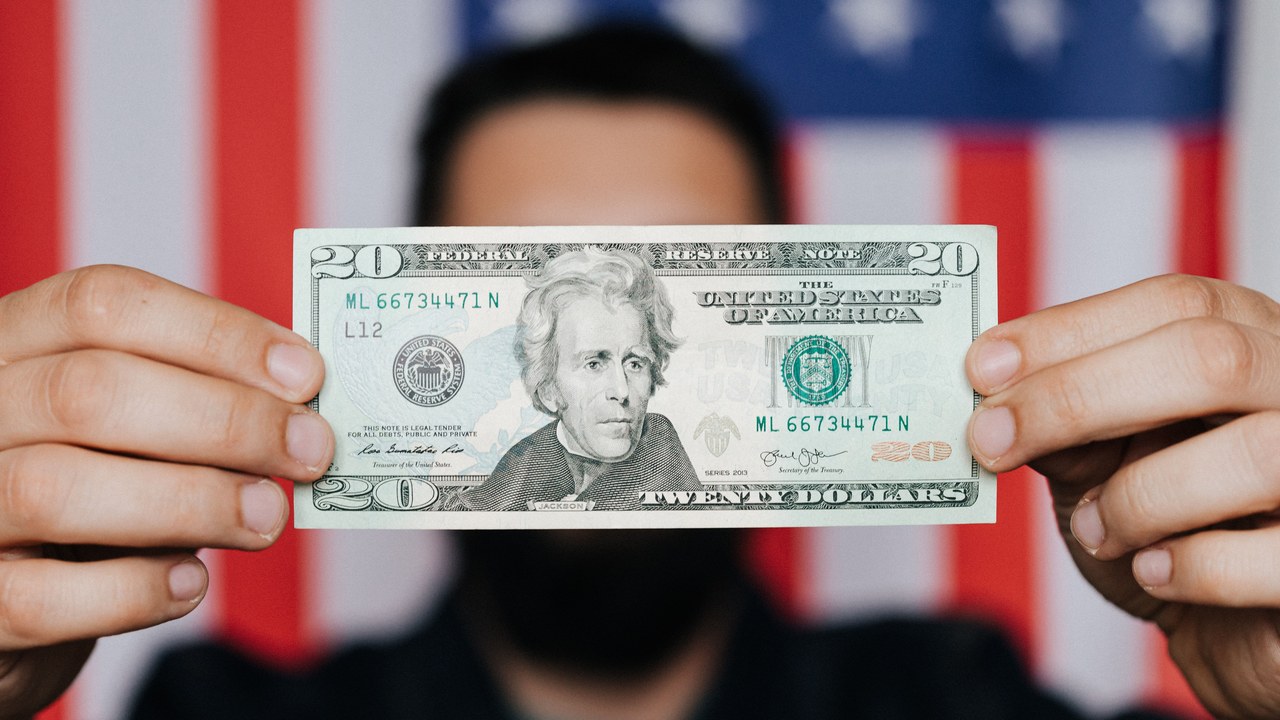
Federal student loan borrowers with Direct Loans originated after July 1, 2012 have until December 31 to sign up for auto pay and lock in a 1 point interest rate cut through June 2028, the Education Department says
Borrowers with Direct Loans originated after July 1, 2012 now have until December 31 to enroll in auto pay and keep a 1 percentage point cut to their student loan interest rate through June 30, 2028. The Education Department moved the date from September 30 on September 29, giving borrowers three more months. The cut…