
Category: Saving & Banking
-
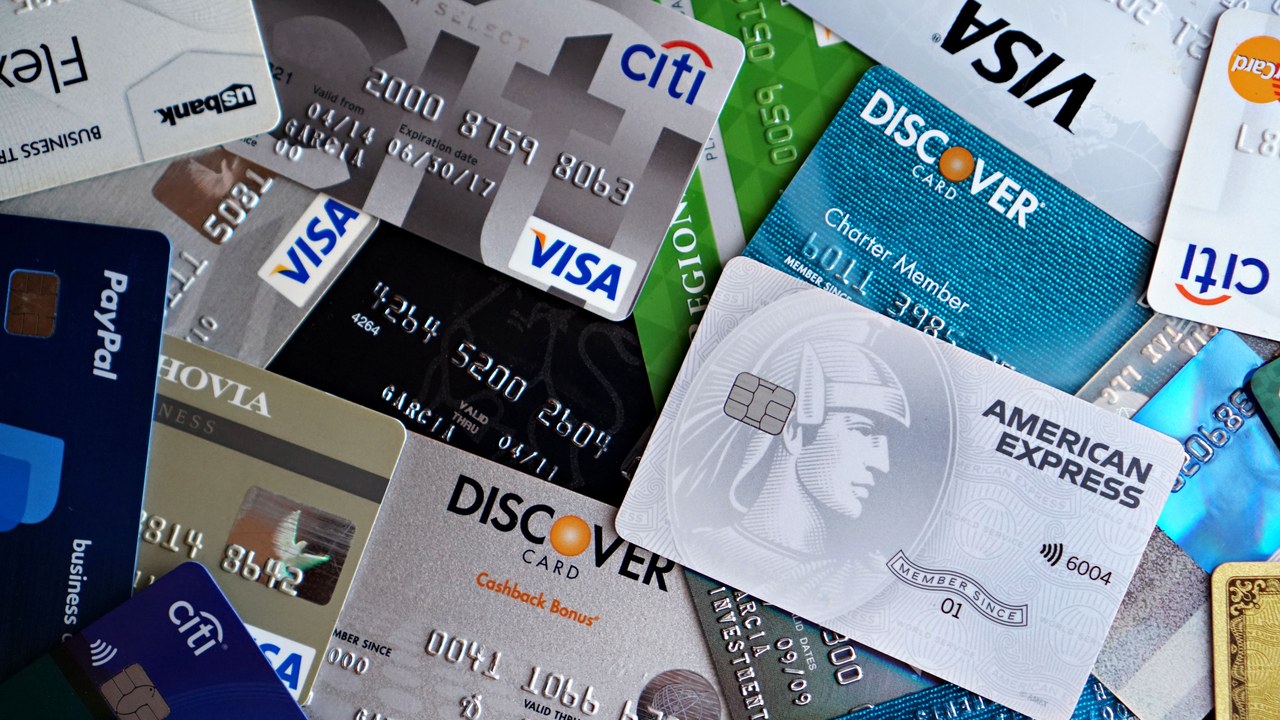
Discover Cashback Debit rewards end as Capital One converts accounts to 360 Checking
Discover bank customers who earn cash back on debit purchases are about to lose it. Capital One says its 360 Checking account does not offer Cashback Debit rewards, and Discover Cashback Debit accounts are being converted to 360 Checking in stages, with advance notice by email or letter. Capital One’s Discover account update page says…
-

Sunwest Bank took substantially all of the $686 million in deposits Nano Banc reported as of June 30 after it failed September 25
When California regulators closed Nano Banc of Irvine on Friday, September 25, Sunwest Bank of Sandy, Utah, agreed to take over substantially all of its deposits, and customers did not have to do anything to keep their money. Nano Banc reported $686 million in deposits as of June 30, 2026, the Federal Deposit Insurance Corporation…
-
Bank of America hit with more than $1.21 billion in Treasury penalties
Treasury announced more than $1.21 billion in penalties against Bank of America on October 13, calling it the third-largest penalty in Treasury history. The bank is the second-largest in the United States, and Treasury Secretary Scott Bessent said in the department’s release that “even the biggest financial institutions are not above the law.” Treasury says…
-

Under Trump’s payment-integrity order, Treasury now checks that federal payment recipients own the bank account on file and returns payments that fail
Treasury now checks whether the person getting a federal payment owns the bank account the money is headed to, and a payment that fails the check is sent back instead of paid out. The Treasury Department said on October 6 that its bank-account ownership and Taxpayer Identification Number (TIN) checks “became fully operational on September…
-

Banks must automatically shield two months of directly deposited Social Security, VA, railroad and OPM benefits from private debt collectors, the CFPB says
A bank that gets a court order to freeze an account holding Social Security money has to leave two months of the benefit untouched, and it has to do that without waiting for the account holder to ask. The Consumer Financial Protection Bureau (CFPB) says banks automatically protect two months of certain directly deposited federal…
-

The CFPB says it will investigate whether JPMorgan Chase, Bank of America, Wells Fargo and six other big banks broke consumer laws when debanking customers
On October 14, the Consumer Financial Protection Bureau said it will investigate whether JPMorgan Chase, Bank of America, Wells Fargo and six other big banks broke federal consumer laws when they closed or restricted customer accounts. The announcement follows a report from the Office of the Comptroller of the Currency, the national bank regulator, and…
-

West Virginia still holds more than $529 million in unclaimed property listings
West Virginia’s State Treasurer’s Office says it now has more than $529 million worth of listings in its unclaimed property database. The figure comes from a July 23, 2026 release in which Treasurer Larry Pack also reported $40,168,816.26 returned to owners in the fiscal year that ended June 30, 2026, through 25,407 claims covering 95,760…
-

Treasury’s rule requiring federal benefits to be paid electronically carries eight waiver paragraphs, one of which lets a household ask for a waiver on two hardship grounds
Federal benefit payments are supposed to arrive electronically, and the Treasury Department’s rule leaves only narrow doors for anyone who wants to keep getting paper. Treasury’s Bureau of the Fiscal Service says in plain terms that “all federal benefit payments must now be paid electronically,” either by direct deposit to a bank or credit union…
-

Federal rules give a consumer 60 days from the statement date to report an electronic bank transfer error
A bank customer who spots a charge that does not belong has a fixed window to say so, and the clock starts sooner than many people assume. Under Regulation E, the federal rule on electronic fund transfers, the bank has to receive the notice of an error no later than 60 days after it sends…
-

A bank served with a garnishment order without a federal benefits notice attached has two business days to free the lesser of two months of posted federal benefits or the account balance
When a creditor’s garnishment order reaches a bank with no federal benefits notice attached, a federal rule gives the bank two business days to look at the account and set aside the benefit money inside it. Treasury’s rule at 31 CFR Part 212 covers payments from Social Security, the Department of Veterans Affairs, the Railroad…