
Category: Cost of Living
-
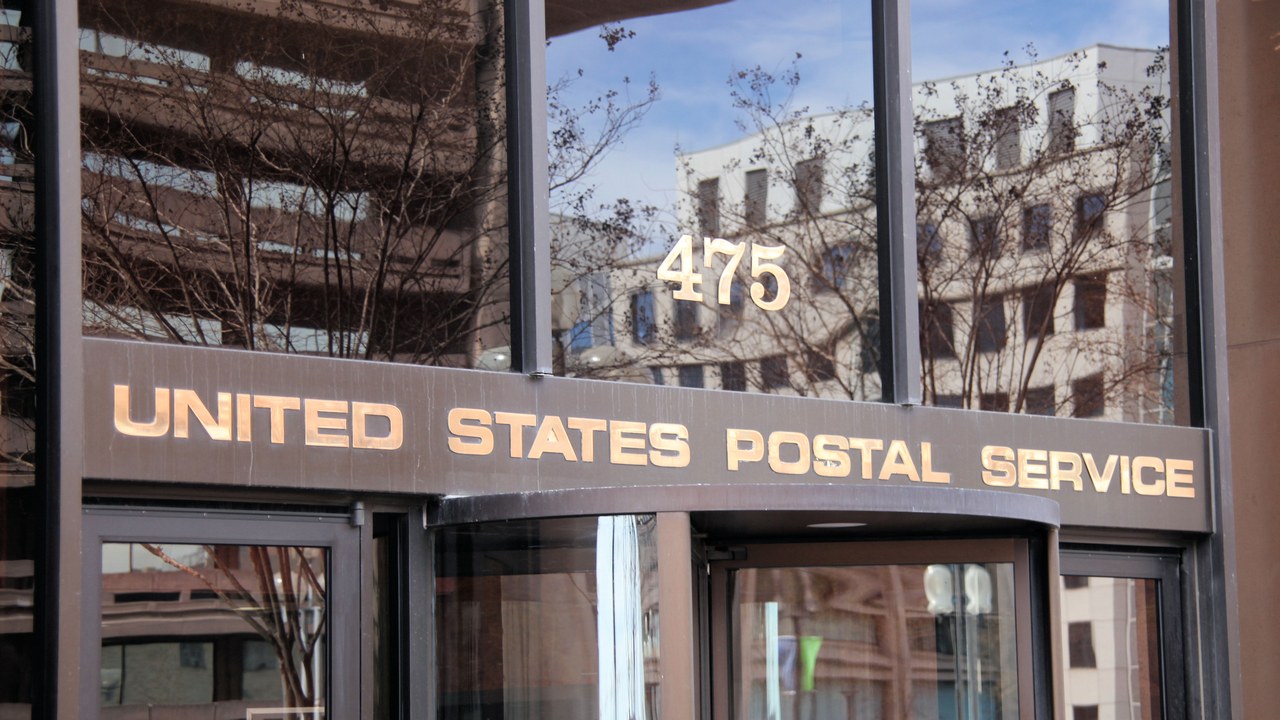
Postal workers’ and retirees’ share of PSHB premiums rises 8.2 percent on average in 2027
Postal Service employees and annuitants in the Postal Service Health Benefits Program, or PSHB, will pay an average of 8.2 percent more as their share of premiums in 2027. The figure comes from the Office of Personnel Management’s highlights for plan year 2027. The overall average PSHB premium, counting what the government pays, rises 6.7…
-
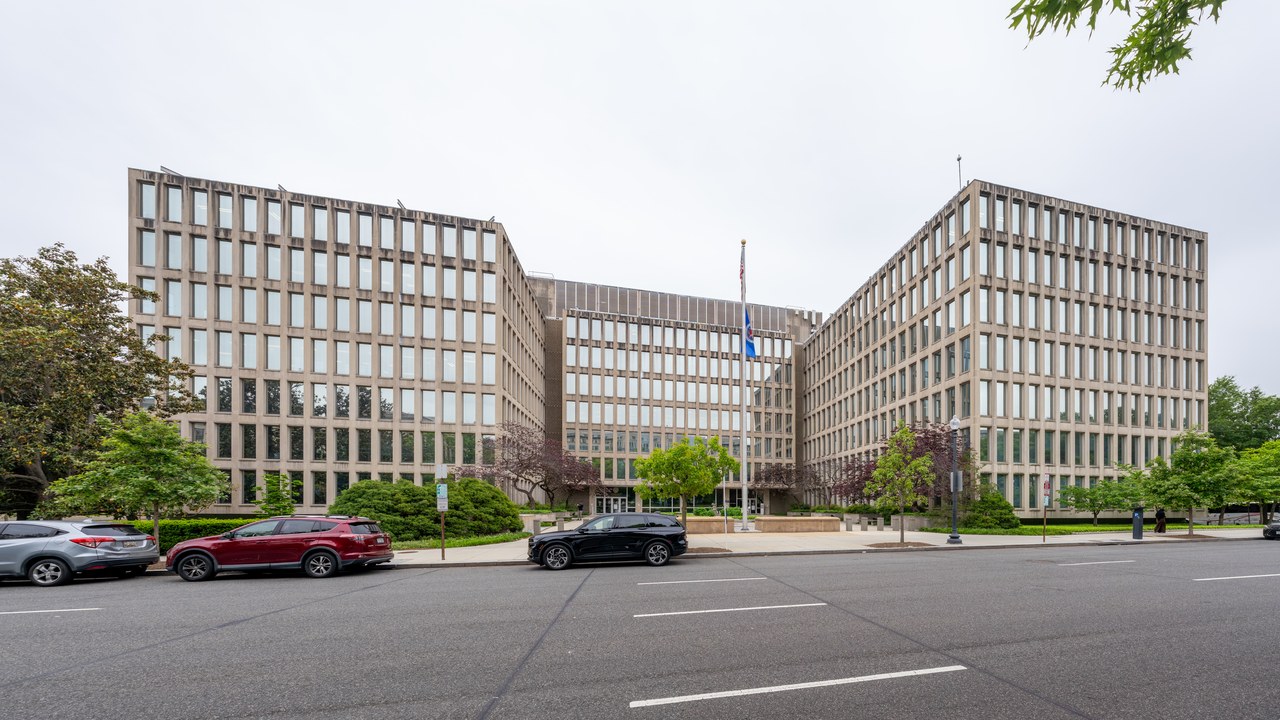
Federal employees and retirees face an average 10.9 percent rise in their share of FEHB premiums for 2027, OPM says
The share of health insurance premiums that federal employees and retirees pay themselves will rise an average of 10.9 percent for 2027, the Office of Personnel Management says. The figure is for the Federal Employees Health Benefits Program, known as FEHB, and comes from OPM’s highlights for plan year 2027. The overall average premium, which…
-
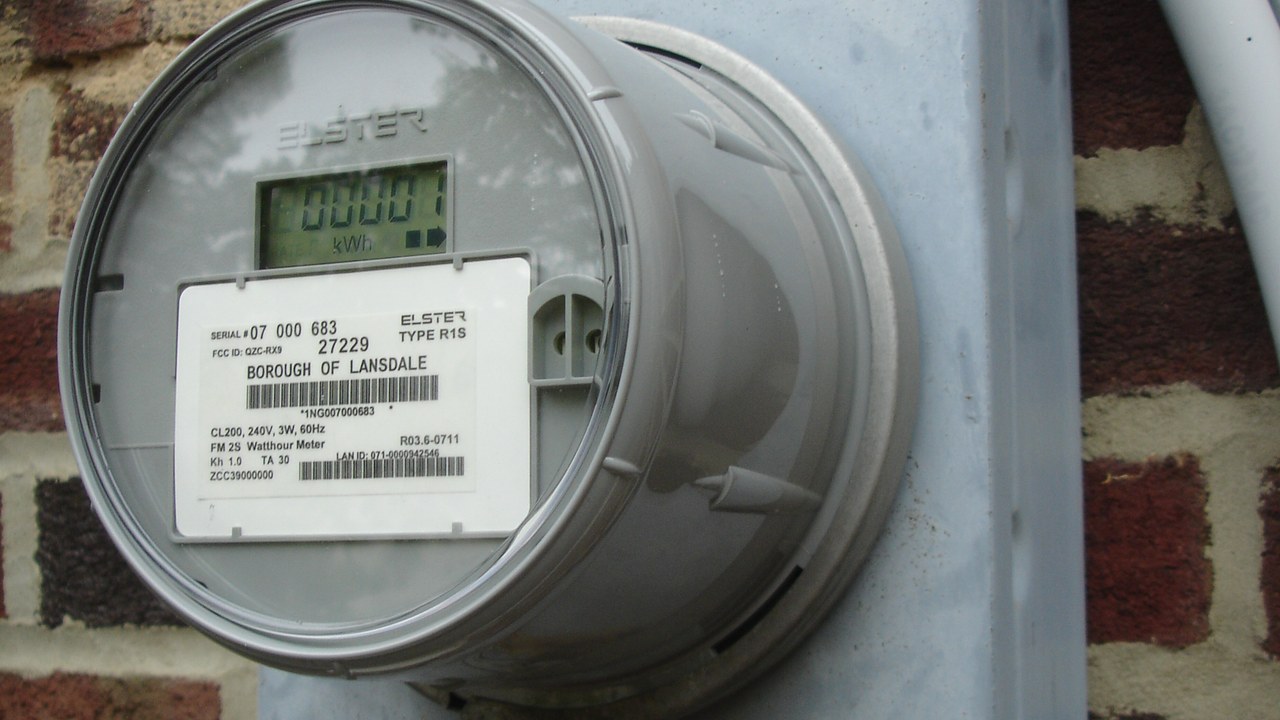
Homes heated by electricity will spend slightly more this winter, the Energy Department forecasts
Heating with electricity usually means one monthly bill and no fuel deliveries, but this winter that bill is forecast to edge up. The Energy Information Administration says in its October 6 Short-Term Energy Outlook: “We forecast homes that use electricity as the main heating source will spend slightly more this winter.” The agency, part of…
-
HUD’s 2027 Fair Market Rents, which set voucher payment limits, took effect Oct. 1
HUD’s Fair Market Rents for fiscal year 2027 took effect Oct. 1. The figures set the starting point for how much rent a Housing Choice Voucher can help cover in every metro area and rural county, according to the Federal Register notice HUD published Sept. 1. The notice gives Oct. 1, 2026, as the effective…
-

FedEx list rates rise an average 5.9 percent on Jan. 4, 2027
FedEx will raise its standard list rates for U.S. package shipping by an average of 5.9 percent on Jan. 4, 2027, the company says on its rate changes page. The increase covers U.S., U.S. export and U.S. import services. It is the same average figure FedEx announced a year ago, and it lands on top…
-

The Energy Department expects gasoline to average just under $3.60 next year
A gallon of regular gasoline costs $4.37 at the national average today, and the federal government expects the price to fall next year. The Energy Information Administration, the Energy Department’s statistics agency, says in its October 6 outlook that gasoline will average just under $3.60 a gallon in 2027. The same outlook has retail diesel…
-
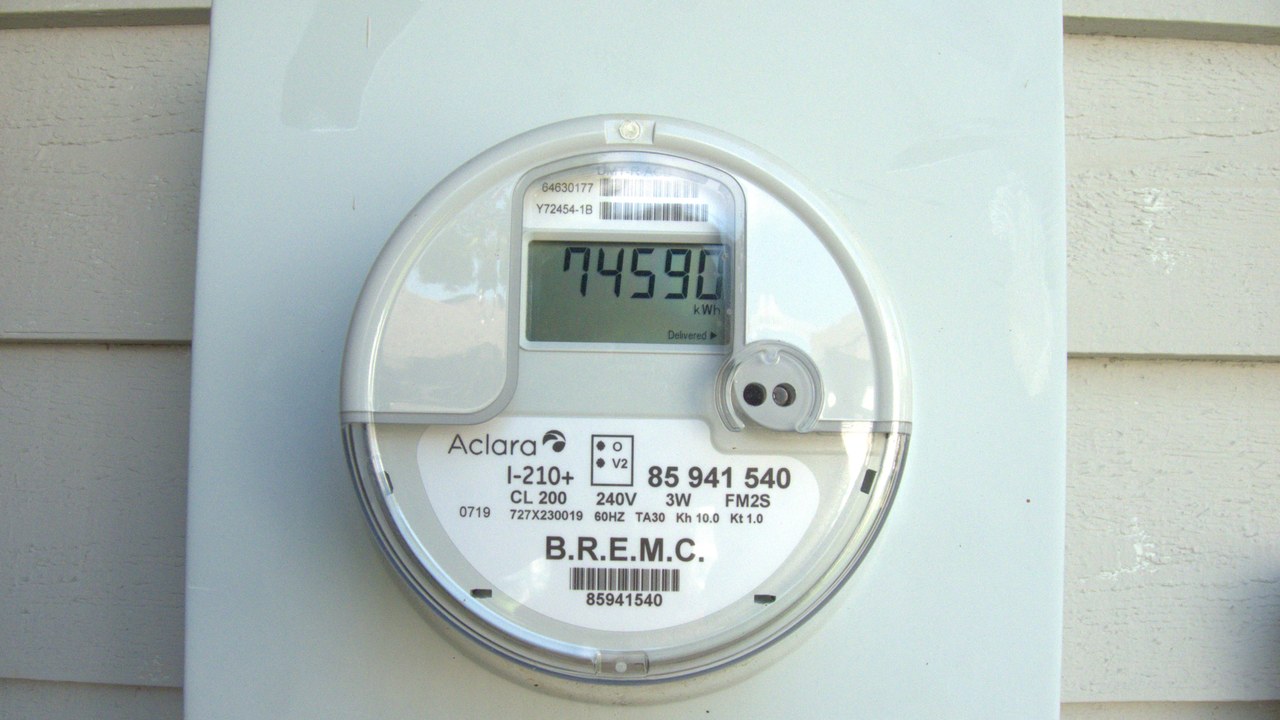
Home electricity is forecast to average 18.7 cents a kilowatt-hour in 2027
The price of a kilowatt-hour at home has been climbing for three years, and the Energy Information Administration expects it to keep going. Its October 6 outlook forecasts that U.S. residential electricity will average 18.7 cents per kilowatt-hour in 2027, up from 18.2 cents in 2026 and 17.3 cents in 2025. In 2024 the figure…
-

Diesel averages $6.32 a gallon, up from $3.68 a year ago, AAA says
A gallon of diesel cost $6.32 on average across the country on Oct. 6, up from $3.68 a year earlier, AAA’s daily fuel report says. The exact figures were $6.3151 now and $3.6790 on the same date in 2025. That is $2.64 more per gallon, a jump of about 72 percent in twelve months. The…
-

The Postal Service’s holiday surcharge on Priority Mail Express, Priority Mail, Ground Advantage and Parcel Select packages runs until Jan. 17, 2027
Mailing a holiday package costs more right now. The Postal Service’s temporary holiday surcharge on Priority Mail Express, Priority Mail, USPS Ground Advantage and Parcel Select packages began at 12 a.m. Central on Oct. 4 and runs until 12 a.m. Central on Jan. 17, 2027, according to the agency’s announcement. The Postal Service says the…
-
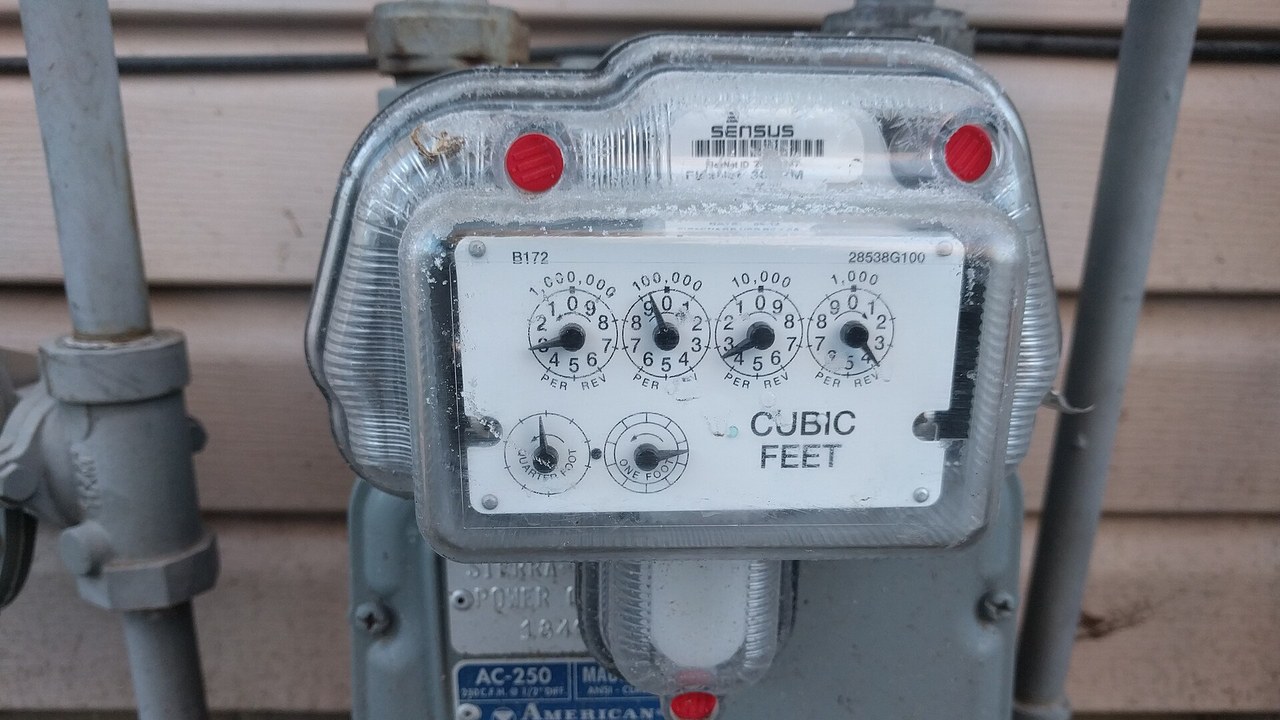
Homes heated by natural gas or propane, about half of U.S. households, are forecast to spend less on heating this winter than last
About half the country heats with natural gas or propane, and for those homes the winter forecast carries some good news. The Energy Information Administration expects them to spend less on average on those fuels this winter than last. The agency’s October 6 Short-Term Energy Outlook puts it this way: homes using the two fuels…