
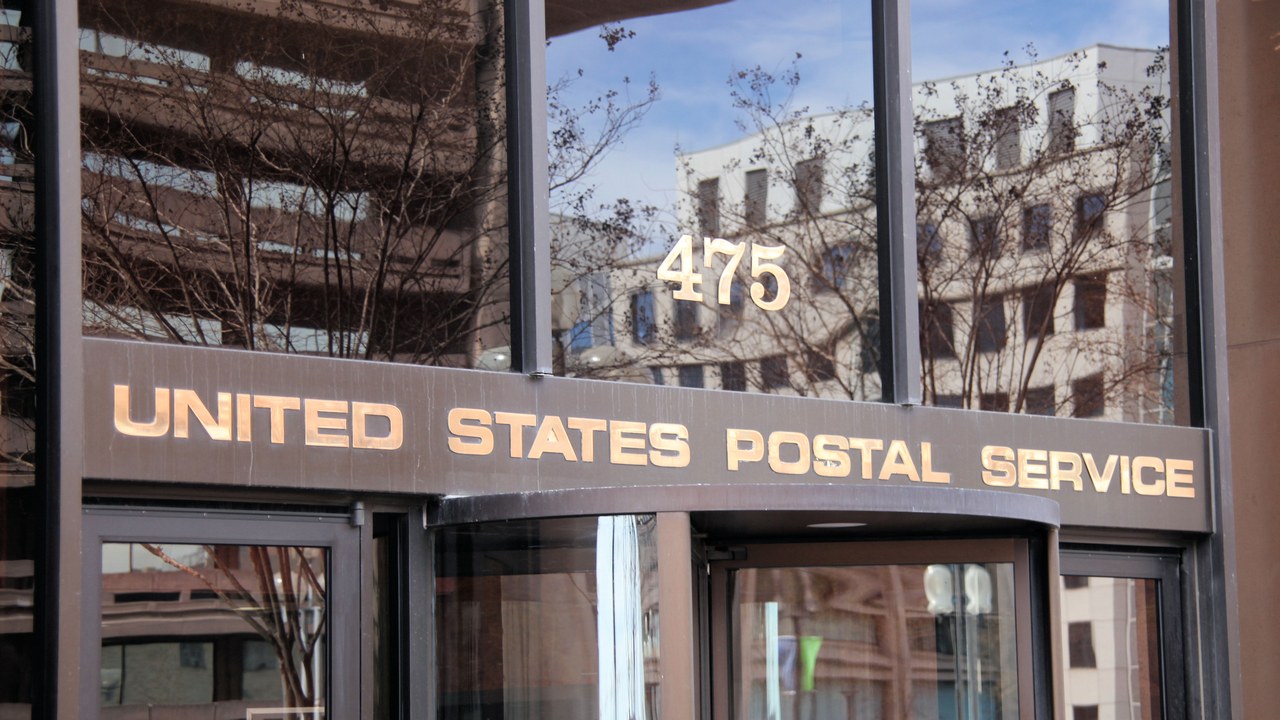
Postal Service employees and annuitants in the Postal Service Health Benefits Program, or PSHB, will pay an average of 8.2 percent more as their share of premiums in 2027. The figure comes from the Office of Personnel Management’s highlights for plan year 2027. The overall average PSHB premium, counting what the government pays, rises 6.7 percent.
Both numbers are lower than a year ago. OPM puts the 2026 average enrollee share increase for PSHB at 11.3 percent and the overall average premium increase at 9 percent.
The question for a postal household is what its own plan will cost when the new rates take effect and whether another PSHB plan is cheaper. The 8.2 percent is an average across plans, and Open Season, when changes can be made, begins on Nov. 9.
Open Season dates and premium changes come around every fall, and The Retirement Money Brief sends the ones postal enrollees need in one weekday email.
Get the free deadline brief → Free from RetireShield. Unsubscribe anytime.
The PSHB figures
OPM reports three PSHB growth rates for 2027. The overall average premium rises 6.7 percent, down from 9 percent. The average enrollee share rises 8.2 percent, down from 11.3 percent. The government contribution rises 6.0 percent, down from 8.0 percent.
The enrollee share grows faster than the total because the government’s contribution grows slower. That is the same pattern as in the larger Federal Employees Health Benefits Program, but the PSHB increases are smaller. In FEHB, OPM reports a 10.9 percent average enrollee increase and a 9.3 percent overall increase for 2027.
What the government pays
OPM’s 2027 PSHB premiums page says the maximum biweekly government contribution for most employees and annuitants is 72 percent of the weighted average. That comes to $318.23 for Self Only, $689.34 for Self Plus One and $748.55 for Self and Family.
The program-wide weighted average biweekly premiums are $441.98 for Self Only, $957.42 for Self Plus One and $1,039.65 for Self and Family. The page notes that the contribution differs for some postal workers, such as non-career employees or where a collective bargaining agreement says otherwise. It provides separate rate charts for HMO plans and fee-for-service plans, plus rates for temporary continuation of coverage and former spouses.
Plans and dates
OPM’s Open Season announcement says PSHB will have 17 participating carriers offering 65 plan options in 2027. Open Season runs from Nov. 9 through Dec. 14, 2026. According to OPM’s highlights, coverage takes effect Jan. 1 or Jan. 10, 2027, depending on category.
Matthew Kiley, OPM’s associate director for healthcare and insurance, said in the announcement: “For the second year in a row, OPM has been able to reduce the average rate of premium increases for federal employees and annuitants.” The announcement does not give a premium figure of its own, so the 8.2 percent comes from the highlights document.
How PSHB compares with FEHB
PSHB is priced separately from FEHB, and the 2027 numbers differ. The maximum biweekly government contribution for Self Only is $318.23 in PSHB and $352.04 in FEHB. For Self and Family it is $748.55 in PSHB and $843.82 in FEHB. The weighted average Self Only premium is $441.98 in PSHB and $488.95 in FEHB.
Those gaps mean a postal household cannot read FEHB numbers as its own. The 8.2 percent average increase applies to PSHB, and the FEHB figure of 10.9 percent applies to the other program.
Dental, vision and spending accounts
FEDVIP dental and vision plans open for enrollment on the same Open Season calendar, and their premiums are rising much less than medical coverage. OPM reports an average dental premium increase of 1.0 percent and an average vision increase of 1.6 percent for 2027. FSAFEDS participants must make a new election each year to continue that benefit, OPM says.
Comparing PSHB plans before Dec. 14
The 2027 PSHB premiums page linked above is the free official place to see every plan’s rates. A household can start with the current plan’s rates and set them next to two or three alternatives in the same enrollment type, since Self Only, Self Plus One and Self and Family are priced separately.
The useful paperwork is the past year’s claim statements, the names of regular doctors, the current prescription list and a tally of copays and deductibles. Measured that way, a cheaper-premium PSHB plan can end up costing more if a key doctor is out of network or a drug sits on a higher tier.
Pay attention to the enrollment type as well. A household that covers one person pays for Self Only, while a couple or a family pays for Self Plus One or Self and Family, and the 2027 rates differ across those types. Anyone who changes plans in Open Season should note the Jan. 1 or Jan. 10 start date in OPM’s highlights, and keep the old plan’s card until the new one arrives.
OPM’s highlights list 17 carriers and 65 plan options for PSHB in 2027, and the Open Season window closes on Dec. 14, 2026.
More Financial Reading
- How many CDs can you park at 1 bank? FDIC rules you must know
- Adding someone to your bank account: tax traps and smart moves
- What really happens to your joint savings account when you die?
This report was prepared with AI assistance and edited against the official documents linked above.


