
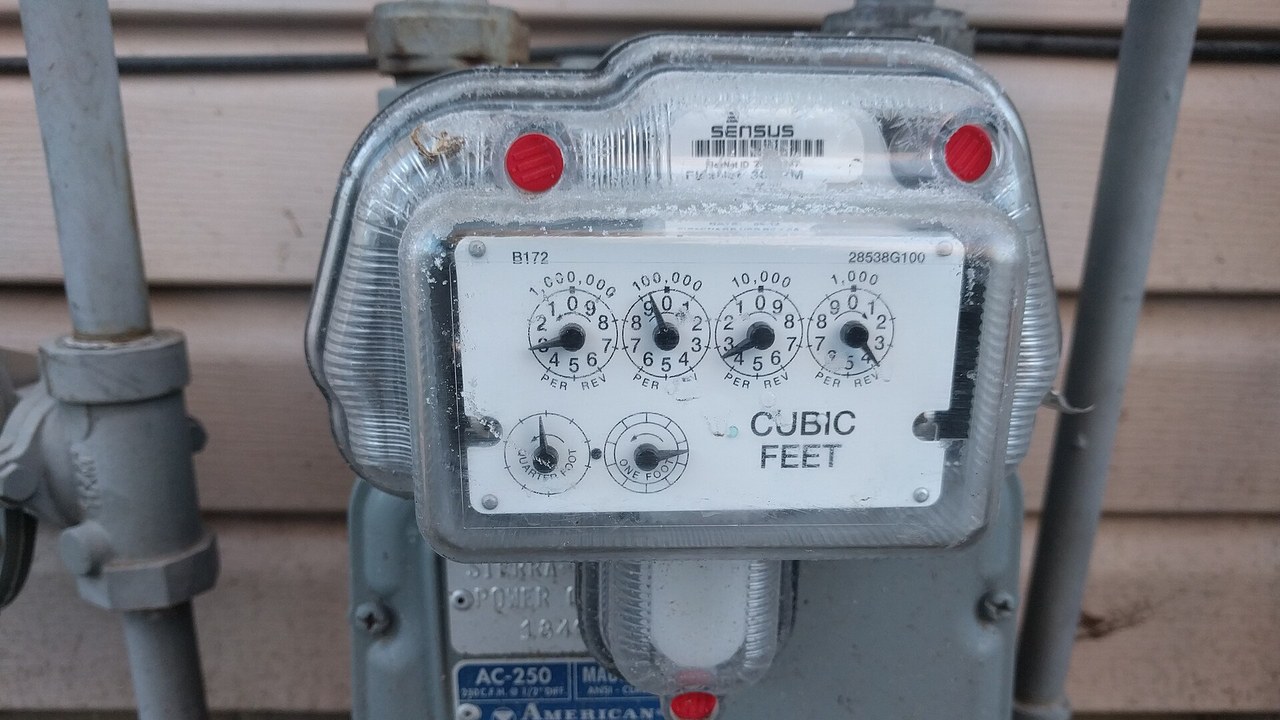
About half the country heats with natural gas or propane, and for those homes the winter forecast carries some good news. The Energy Information Administration expects them to spend less on average on those fuels this winter than last. The agency’s October 6 Short-Term Energy Outlook puts it this way: homes using the two fuels as their main heat source, “collectively around half of U.S. households,” will spend less.
The forecast is a national average, and it does not promise a smaller bill on every street. A household on a gas utility and a household with a propane tank in the yard buy their fuel in different ways, and weather decides how much of it gets burned. Families on a fixed income who set a winter budget in October need to know what the average leaves out and where a gap could still open.
Gas and propane households that want a cushion beyond a lower forecast can look at The Senior Property Tax & Home-Cost Relief Kit, which covers heating, cooling and home-repair help and includes an application log and renewal calendar.
Open the heating-help kit for gas and propane homes →
Gas storage is a main reason for the calmer outlook
The EIA’s natural gas outlook shows the cushion behind the forecast. U.S. gas inventories stood at 3,523 billion cubic feet at the end of September. The agency expects a 328 billion cubic foot build through October, which would bring storage to 3,850 billion cubic feet, about 2 percent above the five-year average as the heating season begins.
Full storage tends to take pressure off prices when cold weather arrives. The same page puts the wholesale benchmark, the Henry Hub price, at $3.48 per million British thermal units on average for 2026 and $3.16 for 2027. Those are wholesale numbers paid by suppliers, not what a household sees on a bill, which also carries delivery charges.
Gas customers and propane customers
The outlook groups the two fuels together, so it does not say how much of the expected savings falls to each one. Gas utility customers buy through a local company and see the cost on a monthly bill. Propane customers typically buy by the delivery, which makes timing and the size of each fill part of the budget.
New England offers a sign of how regional gas prices can differ from the national picture. The EIA reported on September 9 that gas prices in the region have traded near record discounts to Henry Hub, with low-cost Appalachian and Canadian supplies pushing them down. The agency also reported that Henry Hub averaged $2.93 from June through August, 6 percent lower than the summer before.
Why a lower average can still leave a hard winter
Spending is gallons or therms times price. A long cold spell raises the first half of that equation even when the second is easing, and the agency’s forecast assumes the season it expects, not the one that arrives. People on a fixed income feel a cold January bill the same way whatever the average says.
Heating help does not disappear because the national forecast is mild. The federal Low Income Home Energy Assistance Program helps low-income households with home energy bills, with applications handled through state, tribal and local offices. Eligibility follows federal poverty guidelines and state median income, so a household near the line should ask its state office instead of guessing.
What stays the same in the other heating fuels
The forecast splits sharply by fuel. Homes that burn heating oil, about 3 percent of households, face a forecast spending increase of 21 percent. Electric-heated homes are projected to spend slightly more. A gas or propane household is the only large group in the outlook expected to pay less, which is worth knowing for anyone weighing a switch of fuels.
Setting the winter heating budget with last year’s bills
The simplest way to use a national forecast is to lay it beside the household’s own records. Pull last winter’s gas bills or propane delivery slips and total the months from November through March. The EIA’s expectation is that this year’s total comes in lower on average, so last winter’s number is a ceiling to plan against, not a floor.
Anyone on a gas utility can ask the company about payment plans, and propane customers can ask the dealer about delivery schedules and pricing terms. Households near the income limits should apply early through their state LIHEAP office. The EIA’s next outlook is scheduled for November 10 and will update the winter picture.
For a household tracking winter assistance, The Senior Property Tax & Home-Cost Relief Kit offers the 5 kinds of property-tax relief alongside heating help and a renewal calendar, so utility and home-cost deadlines sit in one kit.
Get the winter-budget kit for gas and propane homes →
This piece was produced with AI assistance and edited for accuracy against the EIA and federal pages linked above.


