
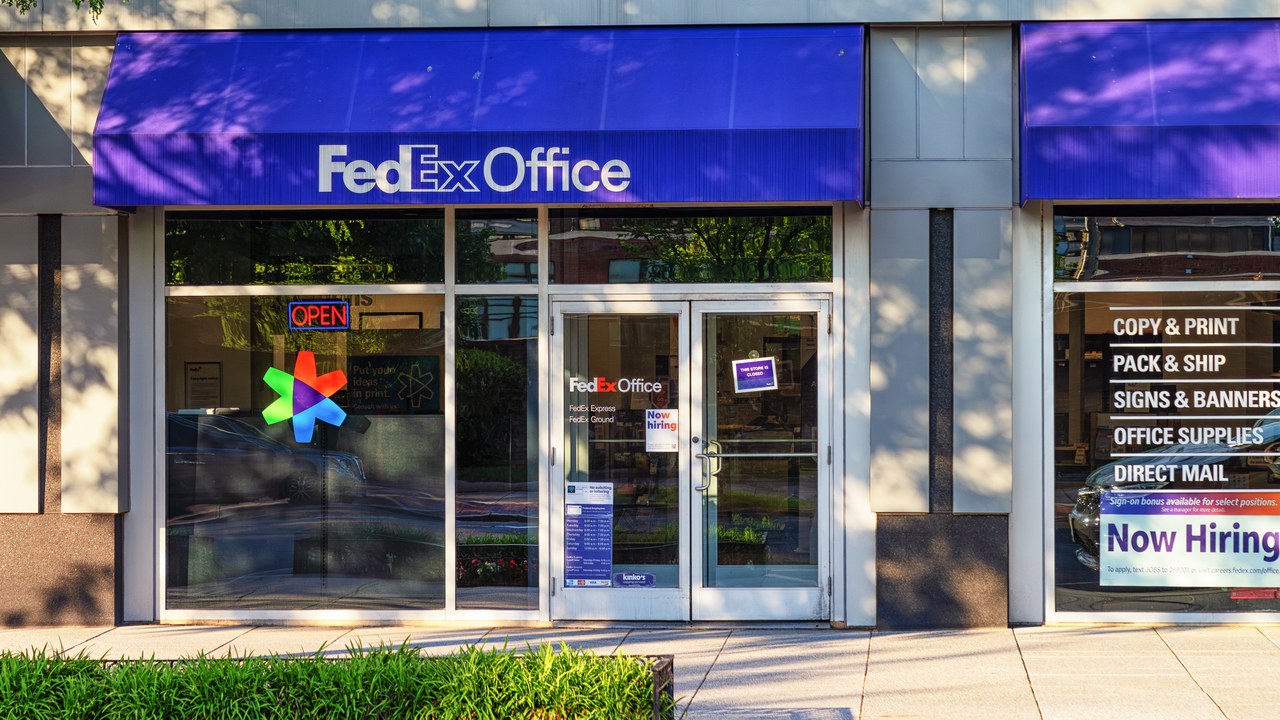
FedEx will raise its standard list rates for U.S. package shipping by an average of 5.9 percent on Jan. 4, 2027, the company says on its rate changes page. The increase covers U.S., U.S. export and U.S. import services.
It is the same average figure FedEx announced a year ago, and it lands on top of the higher prices already built into this year’s shipping. The company has also announced changes to surcharges and a set of new fees that begin two weeks later.
Anyone who mails packages through FedEx, whether a small seller, a family shipping gifts or a retiree running a craft business from home, wants to know how much more a box will cost in January. The 5.9 percent is an average. It is not a flat increase on every package, and the amount for a specific shipment depends on the service, weight and destination.
This story is not finished, and The Retirement Money Brief will cover the next step in plain English when shipping rates and fees change again.
Get the next update free → Free from RetireShield. Unsubscribe anytime.
What an average of 5.9 percent means
List rates are FedEx’s published base prices before any negotiated discount. An average increase of 5.9 percent means some shipments will rise by more than that and some by less. A package that costs $20 at list price would cost about $21.18 if it rose by exactly the average, an increase of $1.18.
FedEx also names several services that will see rate increases: Ground Economy, Ground Multiweight, International Premium and International Priority DirectDistribution. Customers who ship through those services should expect to see higher prices in the January tables.
The same percentage as last year
FedEx’s increase for 2026 was also 5.9 percent on average. Supply Chain Dive reported in September 2025 that the earlier increase took effect Jan. 5, 2026, and that residential delivery rose that year from $6.55 to $6.95.
Two increases of 5.9 percent in a row compound. A shipment that cost $100 at list price before January 2026 would cost about $112.15 after the 2027 increase, if it rose by the average each time. Individual shipments will differ, but the total over two years is meaningfully higher than one year’s number suggests.
Surcharges are rising too
FedEx’s page says there will be changes to shipping surcharges and fees that may affect a shipment’s total price, including updated ZIP code lists for delivery area and pickup area surcharges. A report from Supply Chain Dive on Sept. 21 lists the residential delivery surcharge rising from $6.95 to $7.35. That is a 40-cent increase, or about 6 percent.
The residential surcharge matters most to individuals, since packages delivered to a home are the ones that carry it.
New fees begin Jan. 18
FedEx says a $25 Paper Document Fee and a $5 Paper Air Waybill Fee start Jan. 18, 2027, two weeks after the rate increase. It also says residential delivery charges will apply to certain international shipments from that date.
Both fees are tied to paper documents, not to the weight or size of a box, so a sender who files the forms electronically should not run into them. FedEx’s page does not spell out every shipment type the fees touch, so anyone sending paper trade documents abroad should look at the company’s fee table.
Where UPS stands
Shippers who compare carriers will want to know about UPS. Supply Chain Dive said on Sept. 21 that UPS had not yet announced a 2027 rate increase. A later announcement from UPS would change the comparison, so the carriers’ own rate pages are the place to look before January.
Getting ready for the January change
FedEx’s rate changes page is the free official source for the rates and fees that apply from Jan. 4 and Jan. 18. Its page was last updated Sept. 18. Anyone with a business account can also compare the new list rates to their own discounted rates, since a discount is measured against list rates.
Before January, it helps to gather the last few months of shipping receipts and sort them by service and destination. Packages to homes and packages to ZIP codes on FedEx’s delivery area surcharge lists are the ones most likely to carry extra charges. Comparing a recent receipt with the new rate table shows what the same shipment would cost under the 2027 prices, and a comparison with the U.S. Postal Service’s rates, which carry their own temporary holiday increase through Jan. 17, shows whether a different carrier is cheaper for a given box.
FedEx’s page states the central fact plainly: package standard list rates for U.S., U.S. export and U.S. import services will increase an average of 5.9 percent, effective Jan. 4, 2027.
More Financial Reading
- How many CDs can you park at 1 bank? FDIC rules you must know
- Adding someone to your bank account: tax traps and smart moves
- Bank statements: how long to keep them and when to toss them
This article was produced with AI assistance and edited for accuracy against the FedEx and Supply Chain Dive pages linked above.


