
Author: Elizabeth Blessing
-

Ohio’s consumer advocate says Duke Energy Ohio’s electric filing would add about $8.32 a month for about 500,000 residential customers
A typical Duke Energy Ohio electric customer would pay about $8.32 more each month if the utility’s rate request is approved, according to the state’s residential consumer advocate. The Office of the Ohio Consumers’ Counsel, which represents residential customers in rate cases, says in its fact sheet on the filing that it has intervened for…
-

Farm and ranch households in qualifying drought counties of 49 states got more time to replace breeding, dairy and draft livestock and defer the gain
Farmers and ranchers who sold livestock because of drought now have four years, not the usual two, to replace the animals and put off paying tax on the gain. The Internal Revenue Service announced the extended relief on September 15, 2026, in release IR-2026-110, covering qualifying areas in 49 states, the District of Columbia, Puerto…
-

Treasury published temporary rules, effective December 1, for a scholarship donation credit on contributions made in 2027 and later
The Treasury Department and the Internal Revenue Service have issued temporary regulations for a new federal tax credit for donations to scholarship groups, and the rules take effect December 1. The credit itself is for contributions made in 2027 and later tax years. The regulations, TD 10057, were published October 2 in the Federal Register…
-

A taxpayer whose refund check never arrived can start a trace by phone, but a jointly filed return has Form 3911 as an alternative to calling
A federal tax refund check that never showed up can be traced, and the IRS sets out different first steps depending on how the return was filed. People who filed as single, married filing separately or head of household start with an automated phone line. People who filed jointly have a different number to call,…
-

The IRS now drops failure-to-file and failure-to-pay penalties after three clean years
Under a program the IRS scheduled to begin in summer 2026, failure-to-file, failure-to-pay and failure-to-deposit penalties are waived automatically for taxpayers with three prior years of timely compliance. The agency’s fact sheet FS-2026-12 calls the program Automatic Exemption from Penalty, or AEP, and says no application, form or separate request is needed. It replaces First…
-

A Nevada state retiree without Medicare on the CDHP pays $278.06 a month for retiree-only coverage after a $568.70 base subsidy
A Nevada state retiree who is not on Medicare and covers only themselves pays $278.06 a month on the Nationwide PPO Consumer Driven Health Plan, which the Public Employees’ Benefits Program lists with an unsubsidized rate of $813.26 and a $568.70 base subsidy. Those figures come from the program’s Plan Year 2027 premium rates, which…
-

Medicare says its monthly drug payment plan does not lower a household’s drug costs, it only spreads the same bill across the months left in the year
Medicare’s monthly drug payment option swaps one big pharmacy bill for smaller monthly bills from a drug plan, but the agency is explicit that the total does not shrink. On its page for the option, Medicare says it “might help you manage your monthly expenses, but it doesn’t save you money or lower your drug…
-

Washington’s wildfire tax relief runs to February 1 across six counties and three tribal nations, with Douglas County covered by a separate IRS notice
Taxpayers hit by the summer’s Washington wildfires have until February 1, 2027 to file a long list of federal returns and make many payments that would otherwise fall due sooner. The postponement covers six counties and three tribal nations named by the IRS, while a neighboring county, Douglas, is handled by a different notice with…
-

North Carolina’s state health plan starts at $36.76 a month for a subscriber earning under $50,000 next year, with enrollment closing November 6
North Carolina state employees pay as little as $36.76 a month for 2027 coverage in the State Health Plan, and the choice has to be made by November 6. That price belongs to the Standard PPO plan, covering the subscriber alone, in the lowest salary band, according to the plan’s 2027 premium rate sheet for…
-
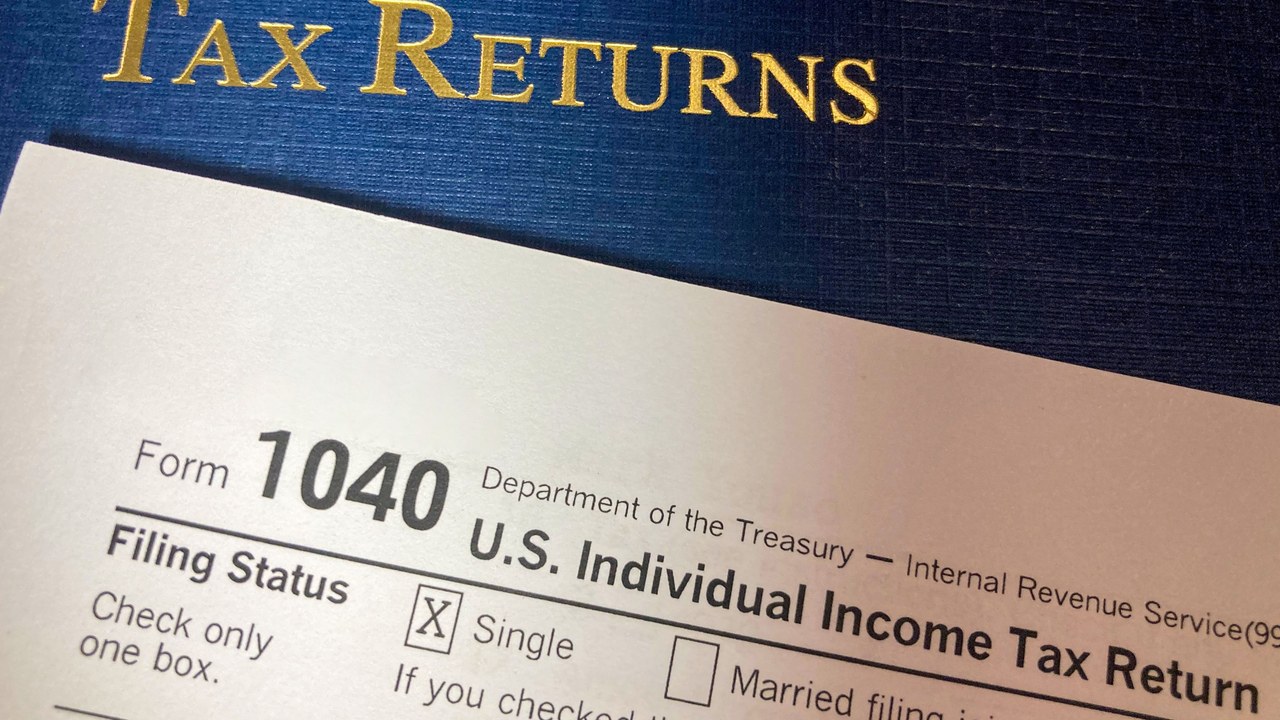
The 2025 tax law gives people 65 and older a $6,000 deduction through 2028, and a married couple must file jointly to take it
A new federal tax break for older Americans comes with a filing-status rule that can shut out married couples. The 2025 tax law lets people age 65 and older take an extra $6,000 deduction for tax years 2025 through 2028, but a married taxpayer has to file a joint return to claim it. Couples who…