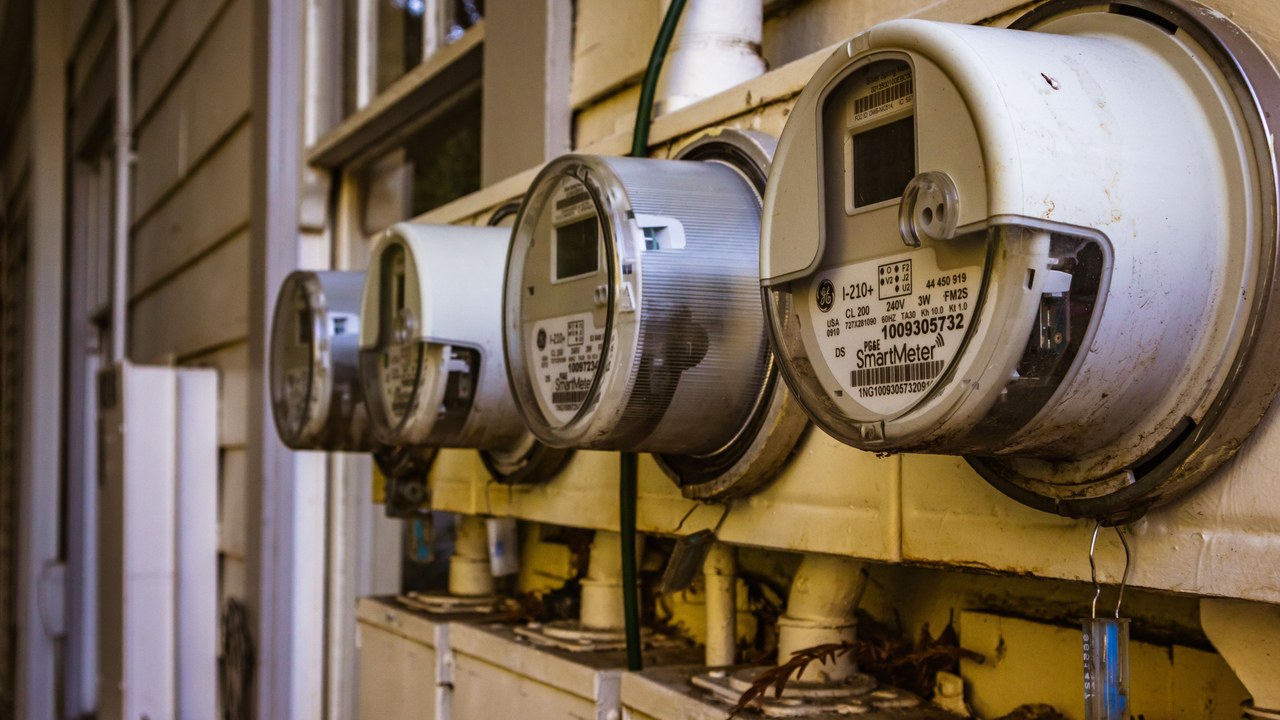
A typical Duke Energy Ohio electric customer would pay about $8.32 more each month if the utility’s rate request is approved, according to the state’s residential consumer advocate. The Office of the Ohio Consumers’ Counsel, which represents residential customers in rate cases, says in its fact sheet on the filing that it has intervened for approximately 500,000 residential customers. The request is still a proposal, and any increase would not start before 2027.
What Duke is asking for
The filing is an application to raise electric distribution rates, the part of the bill that pays for the poles, wires and local equipment that deliver power. It is docketed at the Public Utilities Commission of Ohio, known as PUCO, as case 26-0132-EL-AIR. The consumer counsel’s fact sheet says “a typical consumer’s bill would increase by about $8.32 per month.”
That number is the consumer advocate’s estimate for a typical bill under Duke’s proposal. It is not a figure the commission has approved, and it is not what every household would pay, since a bill depends on how much electricity is used. Over a year, $8.32 a month comes to $99.84. The fact sheet gives no total revenue figure for the request, and the commission has not ruled.
The fact sheet says the increase would take effect in 2027 if approved. No named official is quoted on the page; it speaks for the Office of the Ohio Consumers’ Counsel as an institution.
Three hearings, and a virtual one requested
The commission has announced that it is holding public hearings on the request. PUCO’s news release says it scheduled three public hearings regarding Duke Energy Ohio’s application to increase its electric distribution rates. The consumer counsel’s fact sheet had not listed the dates or places when this was written, and it says the office will ask PUCO to hold a virtual hearing, which customers can request as well.
For a Duke electric customer asking whether the request would reach their bill, and whether anyone outside the utility gets a say, the answer to both is on the consumer counsel’s page. A residential account in Duke’s Ohio electric territory is the kind of account the $8.32 estimate describes. On the second question, the page lists three ways to be heard: submit a comment through the PUCO public comment portal for case 26-0132, mail a letter to the Public Utilities Commission of Ohio at 180 E. Broad St., 11th Floor, Columbus, OH 43215, referencing the case number, or speak at a local public hearing once one is announced.
If Duke’s request is approved, a typical electric bill rises about $8.32 a month starting in 2027, and the households that feel it most are the ones already stretching to cover heat and power. The Senior Property Tax & Home-Cost Relief Kit includes heating, cooling and home-repair help, along with an application log and renewal calendar for keeping bill-help deadlines in one place.
Open the heating and cooling help section of the home-cost relief kit →
The same utility has a gas case pending
Duke Energy Ohio is also seeking higher natural gas rates. The consumer counsel’s alert on that case, 26-0635-GA-AIR, says a typical residential customer using 10 Mcf a month would pay more than $24 a month extra, which is over $288 more a year, and that nearly 430,000 residential gas customers are affected. It also notes a proposed reconnection fee of $164, which is $94 more than the current fee.
A household that heats with gas and cools with electricity from Duke could therefore see both requests in the same bill. The two cases are separate: each has its own docket, its own estimate and its own path through the commission. The gas alert says no hearing dates have been listed and that the office will update the alert when dates and locations are announced.
Ohio’s winter bill protections
While the electric case moves through the commission, Ohio has existing help for customers behind on bills. The consumer counsel’s fact sheet on the Special Reconnect Order says a customer can pay $175 to keep or restore electric or natural gas service even with a higher balance, with any past-due amount above $175 handled through a payment plan. If service was disconnected, the upfront reconnection fee is capped at $36. The order has no income restriction. The fact sheet lists its most recent dates as October 13, 2025 through April 15, 2026, and the office’s homepage describes the order as available from mid-October to mid-April.
The Winter Crisis Program is separate and does have an income test: household income at or below 175% of federal poverty guidelines. According to the fact sheet, booking an appointment with a local Energy Assistance Provider or community action agency delays disconnection for 30 days, the hold can be used once a year, and the program runs November 1 to March 31.
Having a say on the Duke electric request
The Office of the Ohio Consumers’ Counsel keeps the free, official case page on its website, along with the alerts for Duke’s electric and gas filings and the instructions for submitting a comment to PUCO. Comments go in under case number 26-0132, and the office says it will post hearing dates as soon as they are announced.
Before the hearings, it helps to pull out a recent Duke bill and note the kilowatt-hours used in a typical winter month, since the $8.32 figure is for a typical bill. A household that has already fallen behind can look at the Special Reconnect Order and the Winter Crisis Program before disconnection becomes a risk, because both are tied to the heating season.
The central figure, $8.32 a month for a typical bill, comes from the consumer counsel’s fact sheet on case 26-0132-EL-AIR, and the hearing announcement comes from PUCO.
An $8.32 monthly increase, starting in 2027
A rate increase that lands in 2027 arrives on top of a winter of heating and power bills, and bill-help programs have to be applied for before the cold, not after. The Senior Property Tax & Home-Cost Relief Kit covers heating, cooling and home-repair help, and its application log and renewal calendar keep each program’s date from slipping past.
Log every Ohio bill-help deadline in the home-cost relief kit’s application log →
This article was produced with AI assistance and edited for accuracy against the sources linked above.