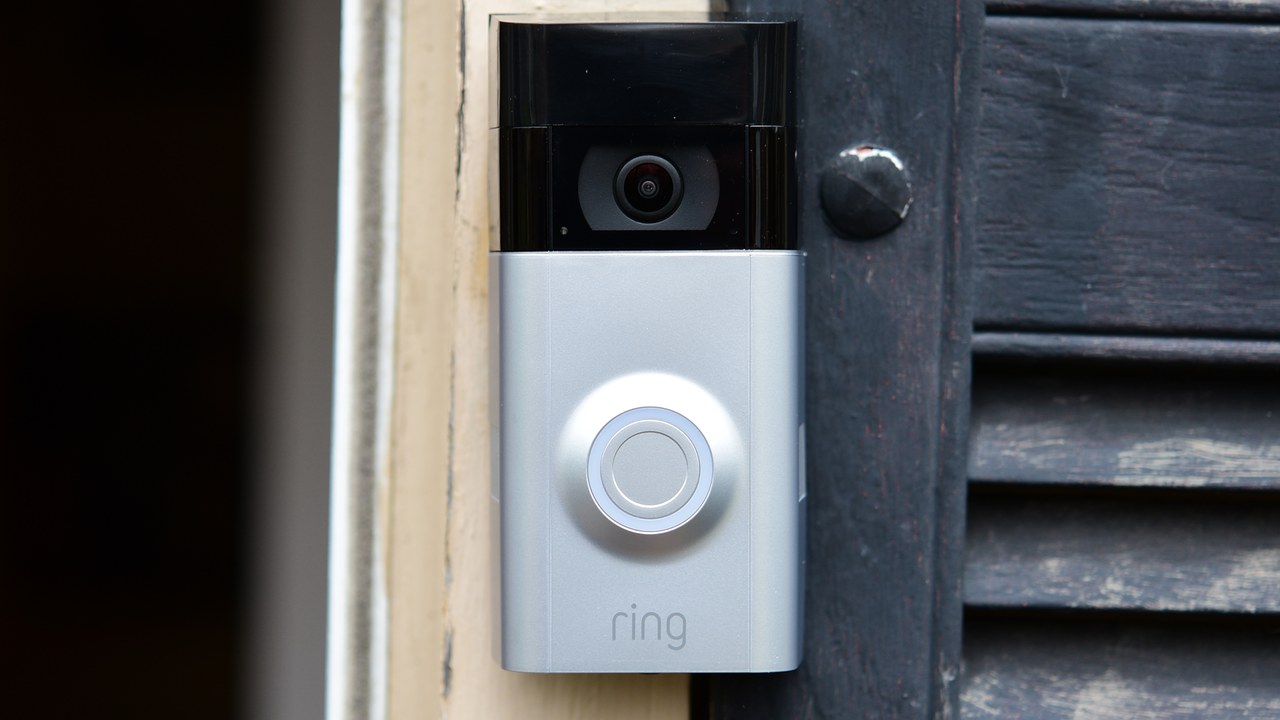
Some former Ring customers who never collected an earlier settlement payment are now seeing money show up in their bank accounts through Zelle. The Federal Trade Commission is sending a new wave of payments tied to a 2023 case over how the smart-camera company handled customer videos and account security. For anyone who owned a Ring doorbell or indoor camera and let a check or a PayPal notice go unanswered over the past two years, this could be the moment that refund finally lands. The switch to Zelle is the FTC’s way of closing out a settlement that has already stretched across two earlier payment rounds.
How the New Round of Zelle Payments Works
The Federal Trade Commission first sent Ring refund checks and PayPal payments in April 2024, then followed with a second distribution in August 2025; together, those two rounds delivered more than $5.4 million to eligible customers, according to the agency’s refund program page, last updated July 21, 2026. The newest round targets a narrower group: people who were eligible for one of those earlier payments but never cashed the check or accepted the PayPal transfer. Instead of mailing another check or routing another PayPal transfer, the FTC is now using Zelle, depositing the money directly into a recipient’s bank account along with a note referencing the settlement.
No application, claim form, or reply is required to receive the payment. The commission has not published a cutoff date for this distribution round, and the payments are described as an ongoing, automatic process rather than a time-limited claim window. That distinction matters for a household budget: there is nothing to sign up for and no form to fill out before a deadline passes, but there is also no guaranteed date by which a missed payment will finally arrive.
Free retirement updates: Social Security and Medicare change every year, and nobody sends you a memo. Our free Retirement Shield newsletter breaks down what changed and what to do. Get it free in your inbox.
The 2023 Case That Set the Refunds in Motion
The payments trace back to a case the FTC brought against Ring, LLC in 2023, alleging the company compromised customer privacy and security. According to the commission’s May 2023 announcement, the proposed order required Ring to pay $5.8 million for consumer refunds after the agency said employees had broad, largely unmonitored access to customer videos and weak account security let hackers break into an estimated 55,000 U.S. customer accounts. A related consumer alert described how those account takeovers let hackers harass, insult, and even live-stream footage from cameras placed inside bedrooms and bathrooms, on top of a separate incident in which a Ring employee viewed thousands of recordings without authorization over several months.
The FTC’s docket lists the matter under file number 2023113, with a complaint filed May 31, 2023 and a stipulated order for injunction and monetary judgment entered June 16, 2023, less than three weeks later. The case record still lists the matter’s status as pending, consistent with a settlement that has already produced $5.4 million in refunds across two rounds and is now moving on to a Zelle round more than three years after the order was signed.
Telling a Real Zelle Refund From a Copycat Scam
An unsolicited Zelle deposit tied to a government settlement can look, at first glance, like the kind of message scammers send. The FTC’s own guidance on the matter is direct: the agency will never ask a recipient to pay a fee, hand over a bank password, or send money back in order to receive a refund. A legitimate payment simply appears in the account, tagged with a note about the Ring settlement, with no phone call, text, or email asking for account details beforehand.
Anyone with questions about a payment, or who believes a payment should have arrived and has not, can reach the settlement administrator, Rust Consulting, at 1-833-637-4884. The FTC also maintains a frequently-asked-questions page covering how its refund payments are issued across all of its consumer cases, not just the Ring settlement, which is a useful reference given how often refund scams borrow the language of a real government payment to ask for money up front.
The Broader Bill for a Smart-Home Privacy Lapse
The Ring case sits alongside a running list of enforcement actions the FTC tracks on its refund programs index, which lists dozens of companies whose settlements have produced consumer payments, from data brokers to subscription services. The agency also publishes a public dashboard of refund totals by case, a reminder that a single privacy complaint against one household-name company can turn into years of scheduled payments rather than a single check mailed out and forgotten.
For a household that paid for a Ring subscription or camera hardware years ago, the refund is a direct, if modest, return on money already spent, proof that a privacy failure by a smart-home company can eventually turn into a hard dollar figure landing back in a customer’s account, however long it takes the agency to work through a distribution list of this size.
Payments That Arrive on Their Own, and the Ones That Never Do
The Ring refund reaches people because the Federal Trade Commission already holds the list of who is owed and can deposit the money without a claim form. Most of what is set aside for older households works the other way round: state unclaimed-property databases, the wider roster of open consumer settlements, and the Medicare Savings Programs that lower a Part B premium all sit untouched until someone files for them. A deposit that shows up unprompted is the exception, not the pattern.
The Benefits Checklist is a 63-page guide covering 11 of those programs, with the 2026 income limits for each and a 50-state directory of the offices that administer them.
Look up the unclaimed-property entry for each state in The Benefits Checklist.
This article was produced with AI assistance and reviewed by a human editor. Figures are linked to their primary sources; where a claim could not be verified from the public record, we say so.