
Category: Rule Changes
-
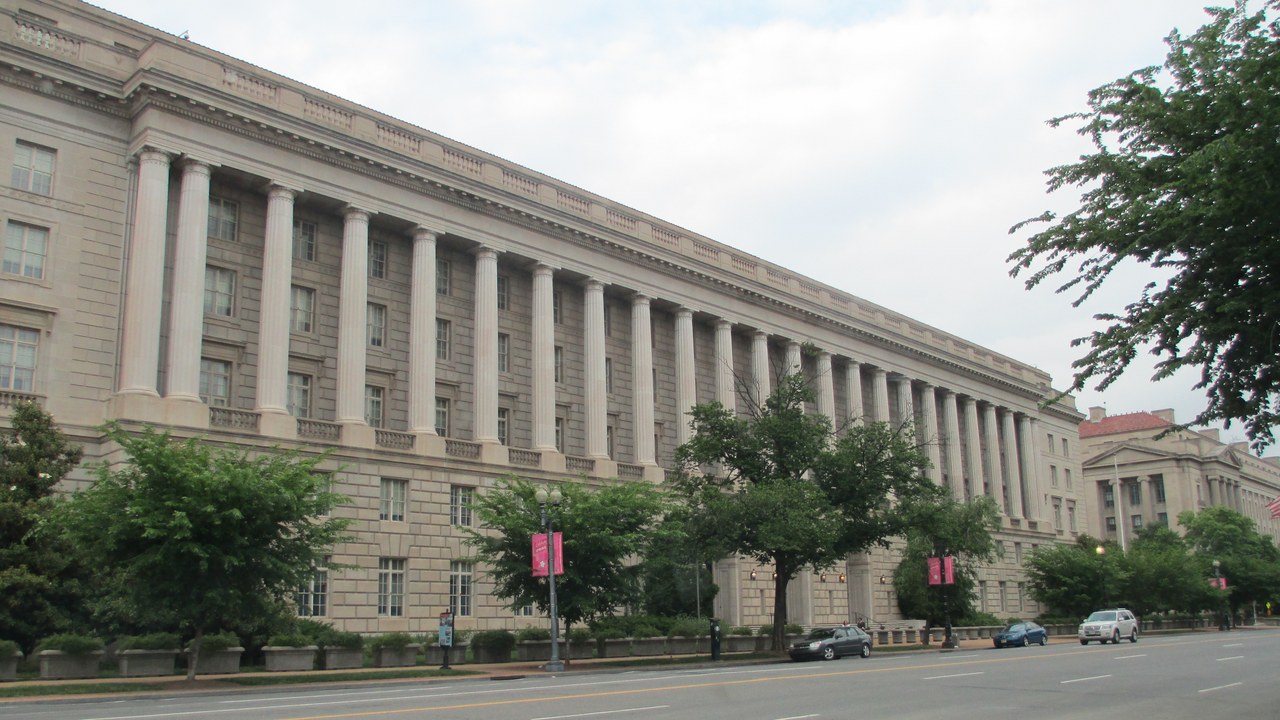
A husband or wife who is not an American citizen can receive $194,000 in gifts this year before any gift tax applies
Married couples can generally give each other unlimited amounts of money or property without triggering federal gift tax, thanks to what’s called the unlimited marital deduction. That rule doesn’t apply, though, when one spouse isn’t a U.S. citizen. Instead, the IRS caps how much a citizen or resident spouse can give a noncitizen spouse tax-free…
-
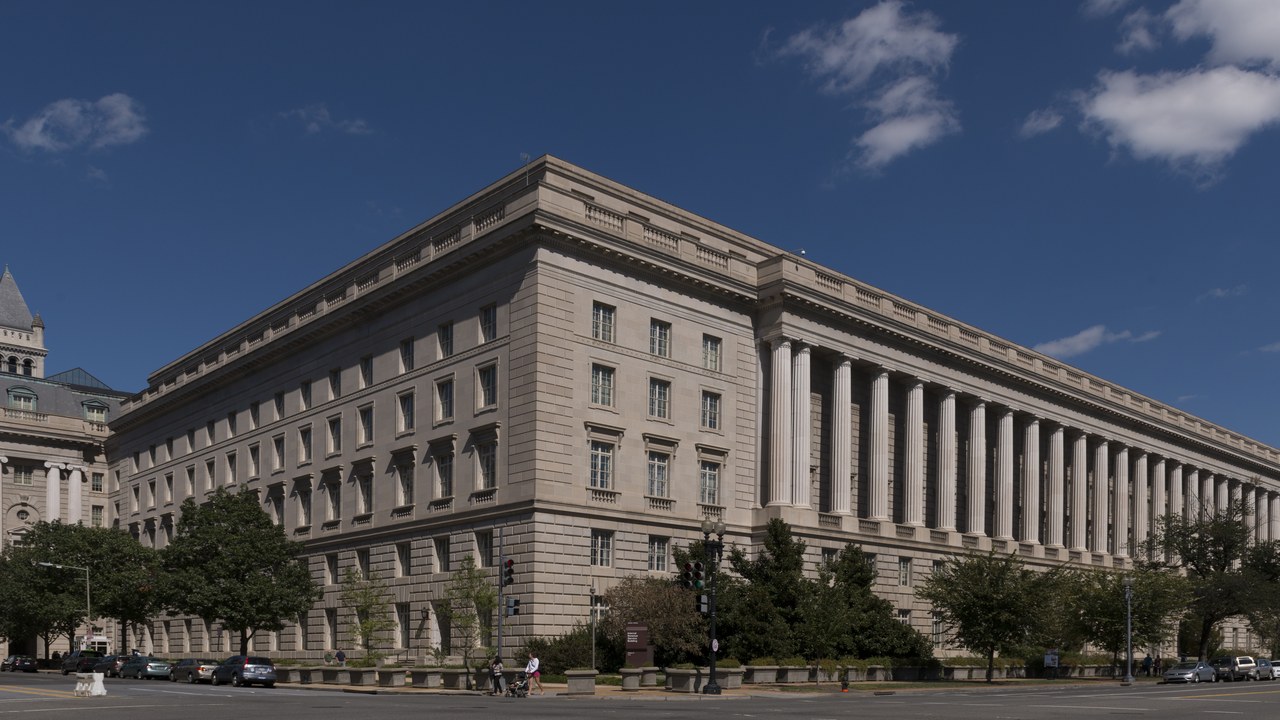
The top federal rate of 37 percent starts at $640,600 for a single filer and $768,700 for a married couple
The IRS has finalized the income tax brackets that will apply to money earned in 2026, and the headline number is where the top rate kicks in. A single filer’s income above $640,600, and a married couple’s income above $768,700, is taxed at 37 percent — the highest of the seven marginal rates in the…
-

A drug maker building American plants pays 20 percent instead, and one that signed a pricing deal pays nothing until 2029
Two companies importing the same category of medicine can end up owing wildly different amounts at the border, and the difference isn’t luck. A pharmaceutical tariff signed in April carved out two separate escape routes from its steepest rate, and drug manufacturers have spent the months since deciding which one, if either, to take. One…
-

Metal tariffs now apply to the full price of an imported product, not just the metal inside it
A rule change that took effect in the spring is still shaping how much American businesses and households pay for imported metal goods. Since early April, tariffs on steel, aluminum and copper products haven’t been calculated off the value of the metal inside a product anymore. They’re calculated off the entire declared value of the…
-
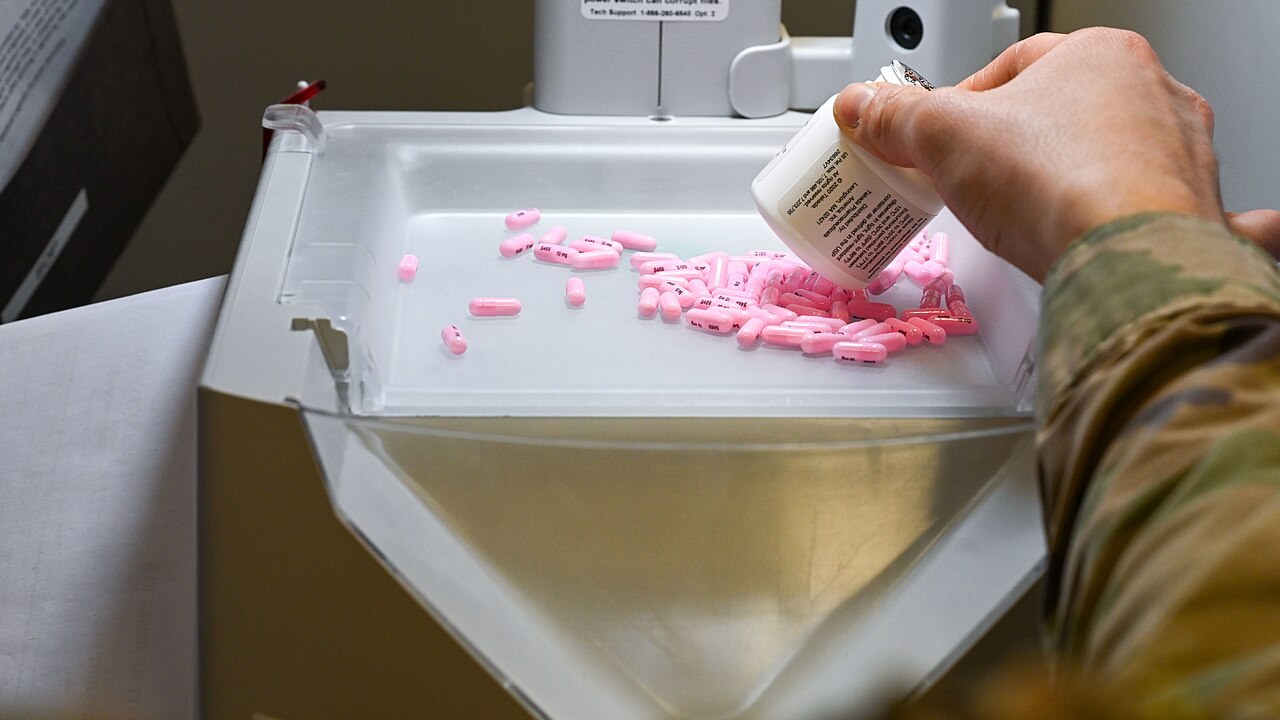
Brand-name medicines imported into the United States face a 100 percent tariff from September 29 unless the maker is building here
A tariff signed into law back in April is about to widen its reach. Under a presidential proclamation covering patented pharmaceuticals, most drug companies that haven’t lined up an approved plan to manufacture in the United States are now three weeks from paying a steep new duty on branded medicines and their ingredients when those…
-

A proposed $103,265 fee on skilled worker visas is open for comment
The Department of Homeland Security wants to add a $103,265 fee to certain H-1B visa petitions, and the number is drawing attention because it is larger than many workers’ annual salaries, not because it is already law. DHS published the proposal on August 25 as a Notice of Proposed Rulemaking, and the public comment period…
-

Employers must break out overtime on this year’s W-2, and the guidance most workers are reading has been replaced
The IRS has confirmed that starting with the W-2s covering 2026 pay, employers have to list overtime pay separately in a specific box, not just fold it into a worker’s regular wages the way they always have. That single change decides whether millions of workers can actually claim the new “no tax on overtime” deduction…
-

The limit on repaying too much health insurance subsidy is gone for the tax year now underway
Every year, millions of people who buy health coverage through the ACA marketplace estimate their income months before they actually earn it, then find out at tax time whether the subsidy checks sent to their insurance company all year matched reality. Through 2025, if that estimate came in too low and the subsidy paid out…
-

The IRS will charge 7 percent on unpaid tax and pay 7 percent on a late refund in the quarter starting October 1
The Internal Revenue Service says the interest meter on unpaid taxes is staying exactly where it has been: 7 percent a year, compounded daily, through the final three months of 2026. The agency confirmed the fourth-quarter rates on August 21, and for anyone carrying a tax balance into the fall, or still waiting on a…
-
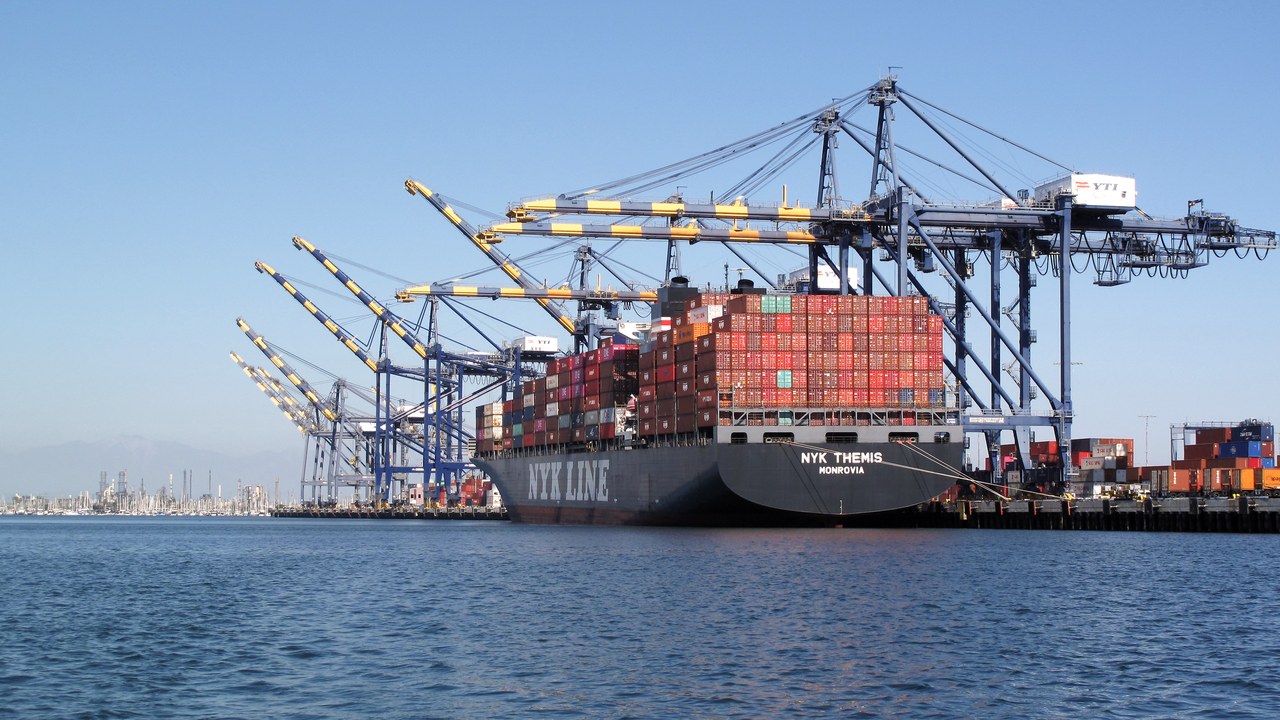
Canada, Mexico and the United Kingdom pay a lower American tariff than most economies because they ban forced-labor imports
Beginning July 24, 2026, U.S. Customs and Border Protection started collecting a new tariff on imports from 60 economies, and the size of the bill turns on one thing: whether that economy bans the import of goods made with forced labor. Canada, Mexico and the United Kingdom landed in the cheaper of two brackets, paying…