
Category: Rule Changes
-

Employers must break out overtime pay on the W-2 for the first time this year
A new line is coming to millions of pay stubs and W-2 forms, and it has nothing to do with a raise. Employers and other payers must now separately spell out how much of a worker’s pay was overtime compensation, a change tied to the federal tax deduction for overtime that took effect with the…
-
The IRS wants extension filers to file now rather than wait for October 15
Households that asked for extra time to finish a 2025 tax return are being told, again, not to wait for the fall deadline. The Internal Revenue Service used a reminder issued in late August to push extension filers toward finishing early, and the message carries a real cost if it is ignored: the extension bought…
-

Treasury proposed making filers swear to citizenship before the refundable part of four credits is paid
A proposed regulation from the Treasury Department and the Internal Revenue Service would require tax filers to certify their citizenship or immigration status before the refunded part of four common tax credits could be paid out. The rule, opened for public comment in August, targets only the slice of a credit that exceeds what a…
-

Disaster filers in Indiana, Nebraska, West Virginia and Mississippi have until February 1, and the IRS applies it by address
Four states now share the same tax deadline for reasons that have nothing to do with each other. Storms in Indiana, a wildfire in Nebraska, flooding in West Virginia and a tropical storm in Mississippi each triggered a separate IRS disaster declaration this summer, and every one of them lands on the identical date: February…
-
Extension filers have until October 15, and a return more than 60 days late carries a minimum $525 penalty
Roughly 19 million taxpayers asked the IRS for extra time to file their 2025 return this year, and that borrowed time runs out on October 15. For most of them the stakes are more than a scolding letter — a return that arrives more than 60 days after that date now triggers a minimum penalty…
-

Getting no 1099-K does not make the income tax-free, and the IRS still expects it reported.
Not getting a tax form in the mail does not erase the tax bill it would have documented. That is the single biggest misunderstanding hanging over Form 1099-K this filing season, especially now that the federal reporting bar sits at $20,000 and 200 transactions instead of the lower figure Congress once planned. A gig driver,…
-

Some states still send a 1099-K at $600, whatever the federal $20,000 threshold says.
A part-time seller in Worcester, Massachusetts, who moved roughly $2,200 in used furniture and freelance design work through payment apps this year will still get a Form 1099-K in January. That comes as a surprise to a lot of people, because Congress just pushed the federal reporting bar for those forms back up to $20,000.…
-
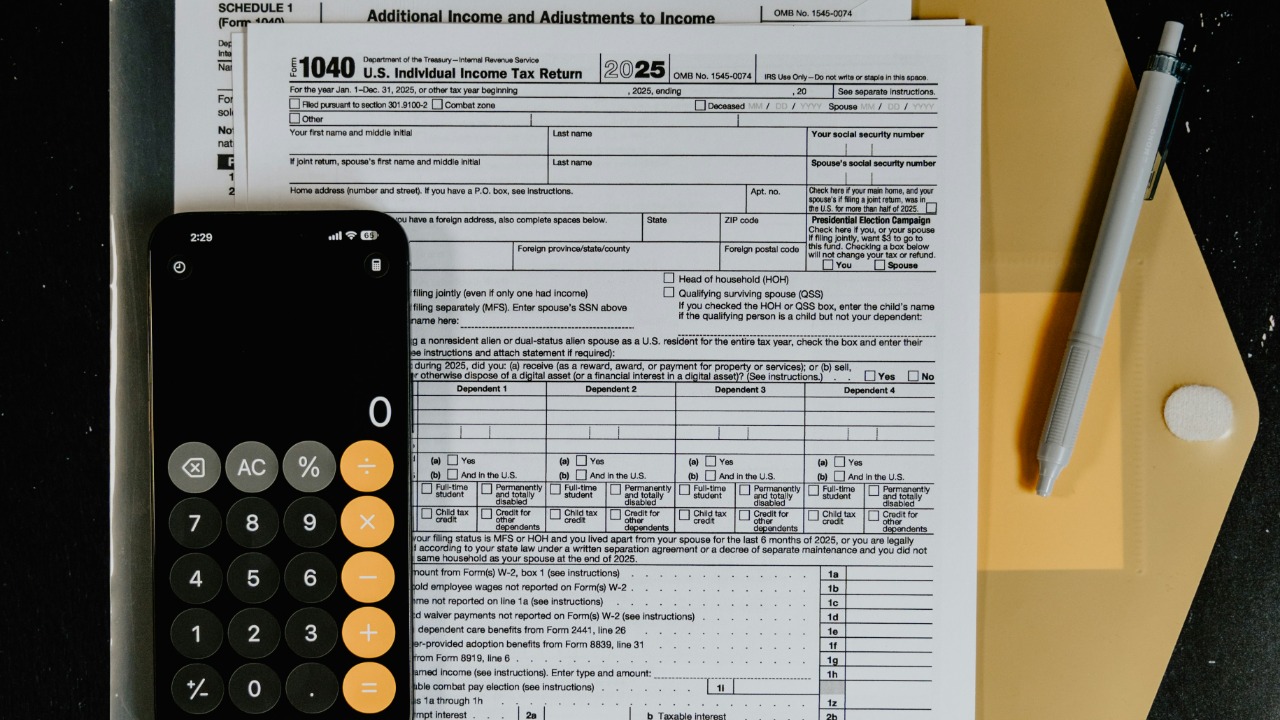
IRS interest on unpaid tax holds steady into the quarter beginning October 1.
The IRS confirmed this week that the interest it charges on unpaid federal taxes, and pays on refunds it’s slow to issue, will not change when the next quarter begins on October 1. For anyone carrying a tax balance into the fall, or still waiting on a refund that’s taking longer than expected, that means…
-

Twelve clean quarters of payroll deposits will stop an employer having to ask for penalty relief at all
Small businesses that run their own payroll are getting their own version of the IRS’s new automatic penalty relief, and the bar for qualifying is measured in quarters, not years. Employers that have deposited payroll taxes and filed on time for twelve consecutive quarters, three straight years on a quarterly clock, will have failure-to-deposit penalties…
-

The IRS penalty break that erases a first late filing is being replaced by an automatic one
The IRS is retiring one of its best-known taxpayer favors. First Time Abate, the penalty waiver that has let millions of otherwise compliant filers erase a single late-filing or late-payment penalty just by asking, is being phased out in favor of a process that requires no request at all. The change affects anyone who has…