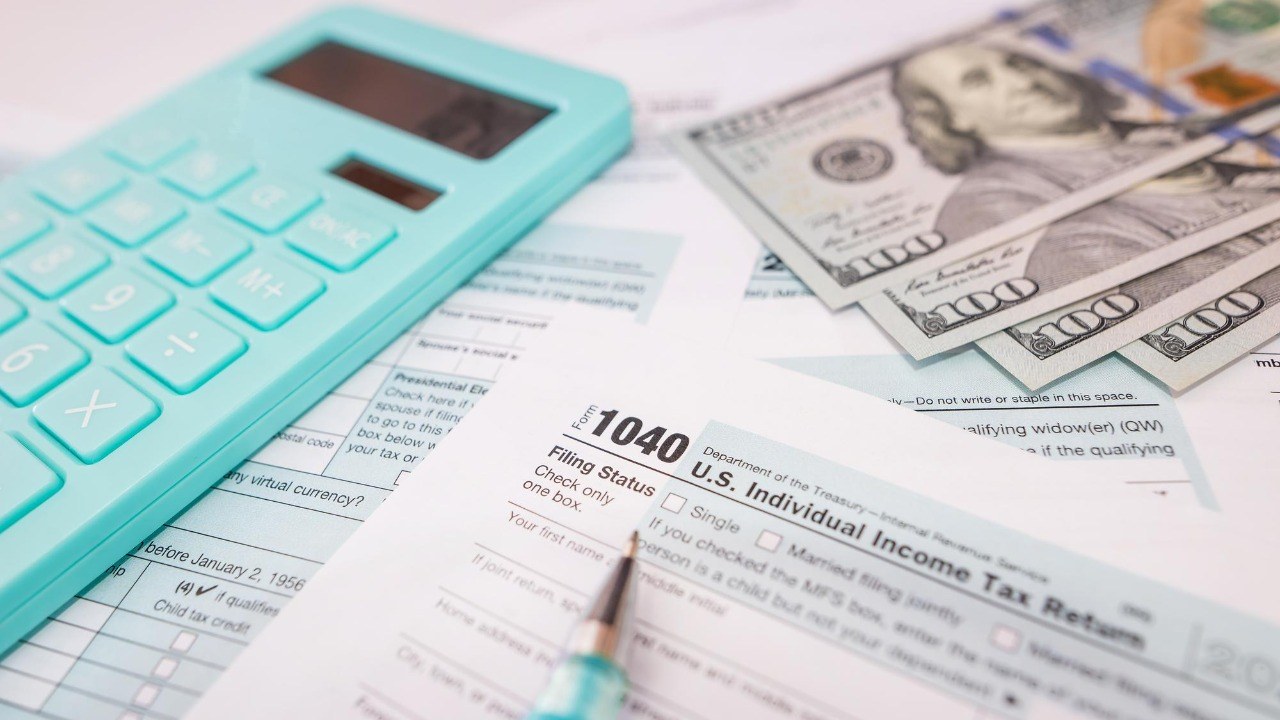
The Department of Homeland Security wants to add a $103,265 fee to certain H-1B visa petitions, and the number is drawing attention because it is larger than many workers’ annual salaries, not because it is already law. DHS published the proposal on August 25 as a Notice of Proposed Rulemaking, and the public comment period is still open, closing September 24, 2026. Nothing about this fee is enacted, collected, or scheduled to take effect; it is a proposal that anyone, not just employers or immigration attorneys, can formally weigh in on before DHS decides what to finalize.
A $103,265 Fee Stacked on Top of Every Other H-1B Cost
The proposed rule would apply to every H-1B cap-subject petition, including those filed under the advanced-degree exemption for workers with a qualifying U.S. master’s or higher degree, and it would come due at the time of filing. DHS is explicit that the fee would be charged in addition to every other fee already required for an H-1B petition, not as a replacement for any of them. The stated purpose is revenue: DHS says the money would help fund the costs of administering the broader lawful immigration system, not just the H-1B program itself, spreading the collected fees across activities carried out by DHS, the Department of Justice’s immigration courts, the State Department’s consular visa processing, and the Labor Department’s wage protections for foreign workers.
Free retirement updates: One number can cost or save hundreds a month in retirement. The free Retirement Shield newsletter surfaces the ones worth knowing. Sign up free.
Why DHS Picked H-1B Employers Instead of a Broader Fee Increase
DHS considered raising fees broadly across all immigration benefit applicants to cover these costs, and rejected that approach specifically because it would burden requestors “who may have fewer resources available to absorb additional fee increases.” Instead, the agency is proposing to concentrate the new cost on H-1B cap-subject petitioners on the theory that employers filing those petitions generally have more ability to pay than the broader population of people filing other kinds of immigration paperwork. That reasoning matters for the household angle here: DHS is not proposing this fee because H-1B petitions cost the government $103,265 apiece to process. It’s proposing the fee because H-1B employers, in the agency’s judgment, can absorb it better than other applicants can.
It Can Stack With a Presidential Proclamation Payment Too
Buried in the same section of the proposal is a detail that changes the math for some employers even further: DHS states the new fee would apply on top of any separate payment already required under a Presidential Proclamation, meaning a petitioner subject to both would owe both amounts in full. The proposal doesn’t quantify what that combined total could reach for an employer already paying a proclamation-based fee, but the rule’s own text is clear that the two obligations stack rather than one absorbing the other.
What Happens if Employers File Fewer H-1B Petitions
The federal H-1B program itself is capped by law at 65,000 visas a year, plus another 20,000 reserved for workers with a qualifying U.S. advanced degree, a structure the Department of Labor administers alongside DHS through the Labor Condition Application employers must file before petitioning. DHS acknowledges in the proposal that a fee this large could push some employers, including small businesses, to file fewer H-1B petitions than they otherwise would, and says the revenue projections behind the rule depend on filing volume not dropping as a result. In other words, DHS built a fee it admits could shrink its own tax base, and is proposing to collect it anyway.
For households where a family member holds H-1B status, or hopes to be sponsored by an employer for one, this proposal is worth tracking even though the fee itself falls on the employer, not the visa holder. A cost increase this large on an employer’s side of the ledger can show up as fewer sponsorship offers, longer timelines, or employers steering toward exemptions and alternatives, effects that reach the worker and their household even though no individual worker writes DHS a check. The comment period gives anyone, including affected workers, a formal channel to tell DHS what a $103,265 add-on fee would mean before the rule is finalized, and as of this week more than 6,580 comments had already been logged in the public docket.
Why USCIS Keeps Reaching for New Fees Instead of Congress
USCIS itself runs almost entirely on the fees it collects rather than on general tax dollars appropriated by Congress: DHS reports that in fiscal year 2025, fee revenue covered about 95 percent of USCIS’s $7.4 billion budget, with congressional appropriations covering roughly 4 percent and other dedicated fee accounts making up the rest. That structure is the backdrop for why DHS keeps returning to fee increases rather than asking Congress for more money when costs across the immigration system rise: by law, USCIS is expected to recover the full cost of the services it and its partner agencies provide, and a standalone H-1B fee is the mechanism DHS chose this time to close that gap.
Anyone who wants to weigh in has to follow a specific process. DHS will only count comments filed through the federal eRulemaking portal at regulations.gov, referencing docket number USCIS-2026-0298, by 11:59 p.m. Eastern on September 24, 2026. Comments sent directly to DHS or USCIS by email or letter, the rule states plainly, will not be considered part of the official record and may not receive a response. A comment that cites a specific section of the proposal and explains the reasoning behind a suggested change, DHS says, is the kind most likely to influence what ends up in the final rule, whenever DHS decides to publish one.
This article was produced with AI assistance and reviewed by a human editor. Figures are linked to their primary sources; where a claim could not be verified from the public record, we say so.
More Financial Reading