
Category: Rule Changes
-
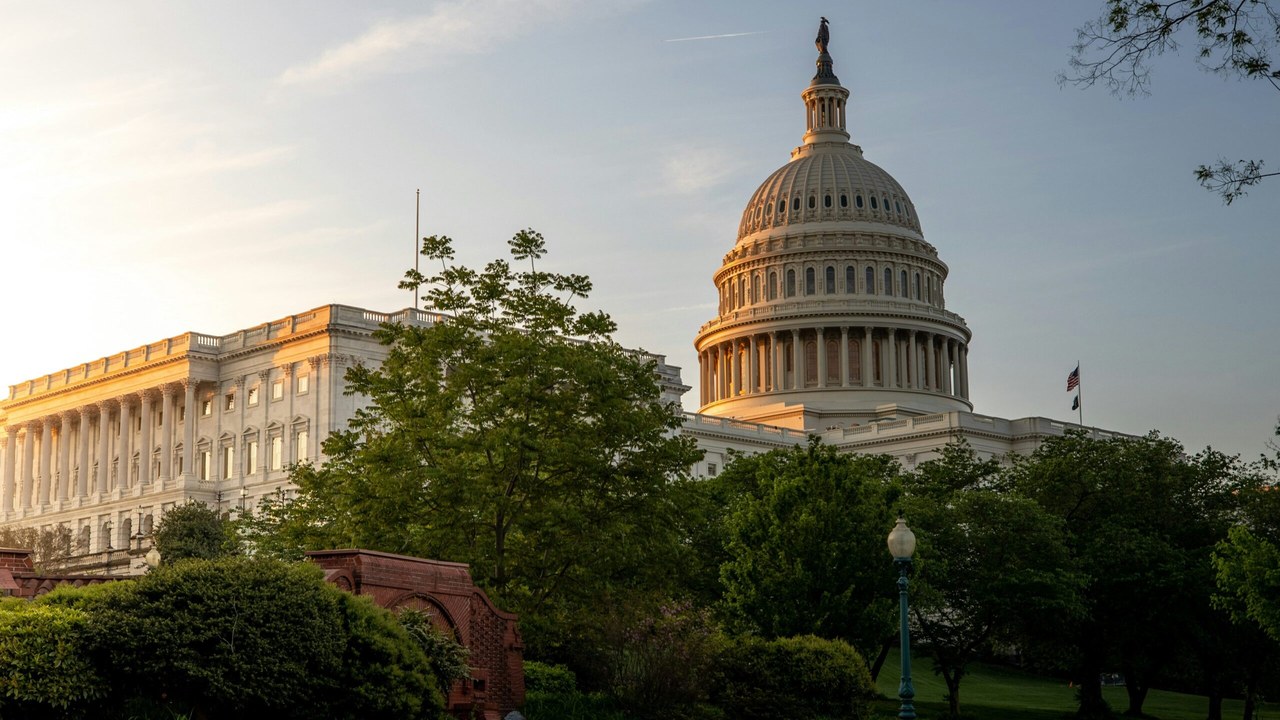
A House bill would refund $231 billion in tariff costs to filers earning $400,000 or less, and has sat in committee since March
Six months ago, a single-page referral sent a tariff-rebate bill to the House Committee on Ways and Means, and the committee has not touched it since. H.R. 7865, the American Consumer Tariff Rebate Act of 2026, would draw on a $231.35 billion pool tied to estimated consumer tariff costs and send one-time refund payments to…
-
Interest on unpaid federal tax stays at 7% a year for the quarter starting October 1
A tax balance left unpaid past its due date keeps growing every single day, not just every quarter, and the growth rate for the final three months of 2026 will not change from where it sat over the summer. The Internal Revenue Service has confirmed that the rate charged on individual underpayments — and paid…
-
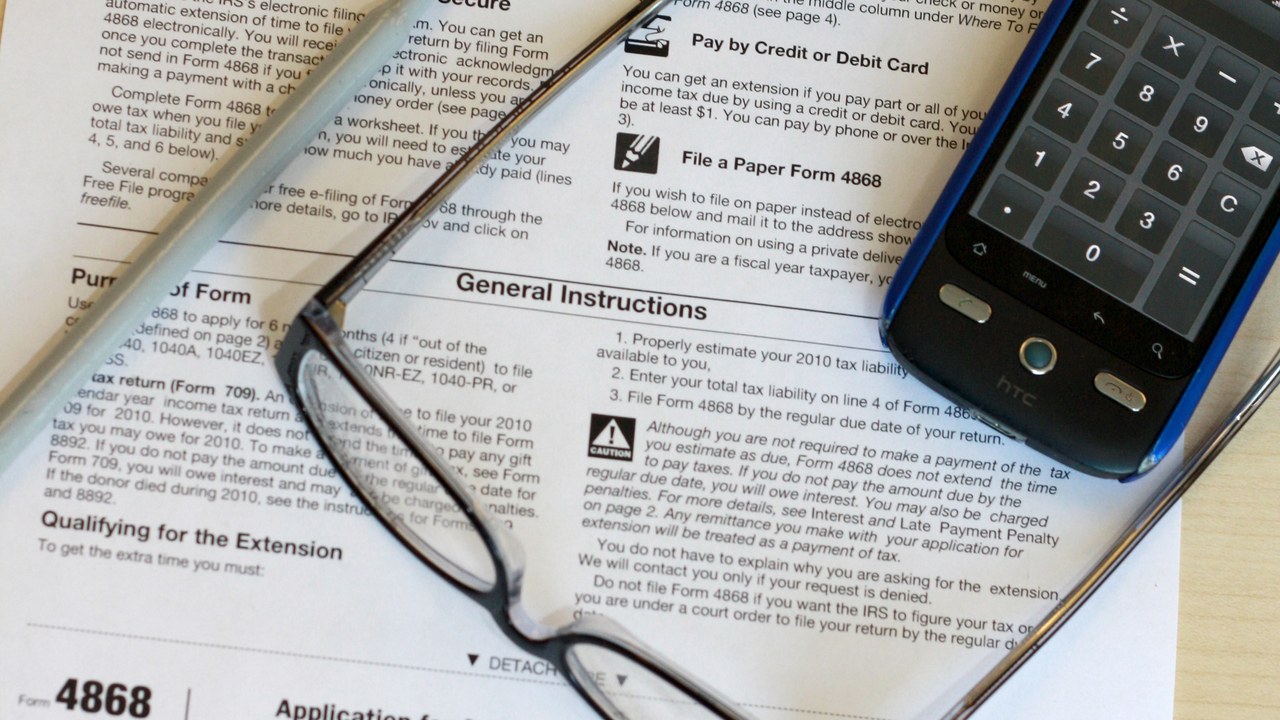
An extension moved the October filing date, not the April payment date
A common mix-up trips up filers every extension season: requesting more time to file a 2025 tax return did not buy more time to pay what was owed on it. Form 4868 pushed the paperwork deadline out to October 15, 2026, but the amount owed still came due back on April 15, and the IRS…
-

The IRS charges 5% of unpaid tax for every month a return is late, capped at 25%
A tax return filed one day past its due date and a return filed five months late face completely different arithmetic, and the gap between them is where the Internal Revenue Service keeps its steepest civil penalty on the books. The failure-to-file penalty adds 5% of the unpaid tax for every month or partial month…
-
The IRS says a new estimated-tax tip applies beyond the self-employed, including people with income not fully covered by withholding.
Estimated tax is often associated with self-employment, but the IRS says it can apply more broadly when income is not fully covered by withholding. The agency’s September 14 tax tip points to interest, dividends, capital gains, rents, royalties and prizes as examples of income that may require an estimated-tax payment. The rule is not a…
-
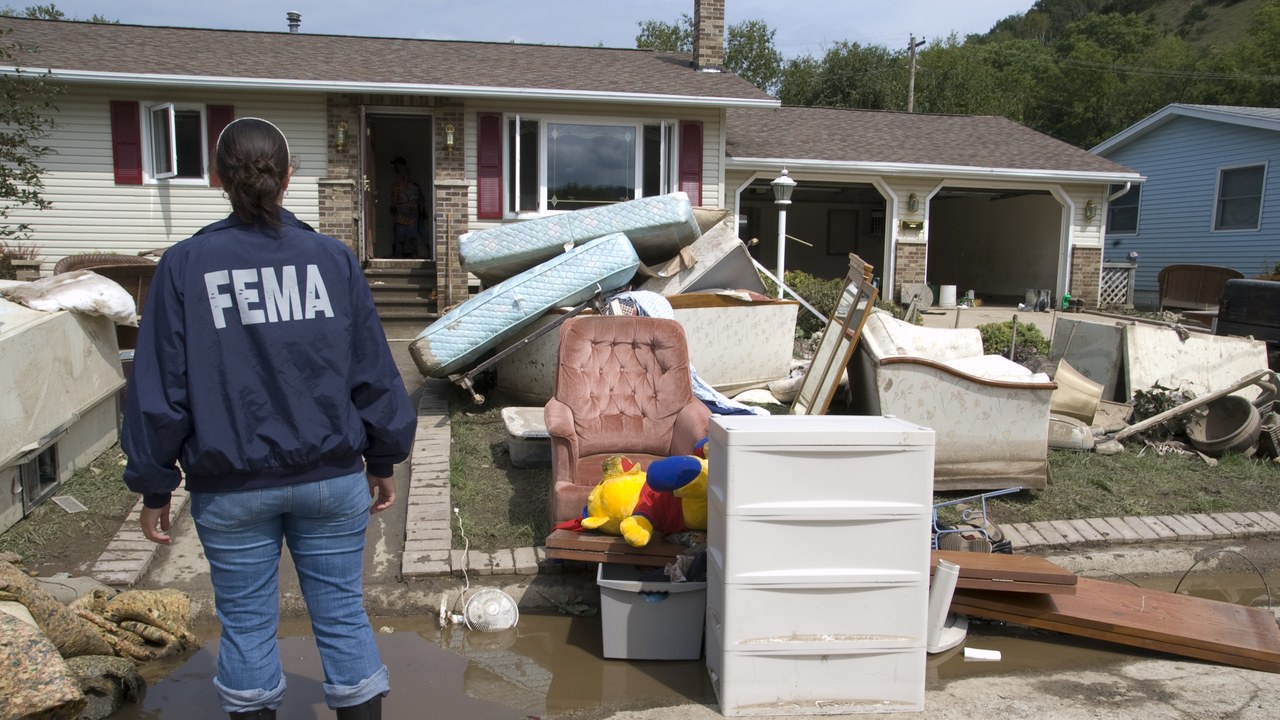
IRS says old bank statements, photos, videos and county records can help rebuild disaster-loss records.
After a disaster, lost papers can make a tax, insurance or assistance claim harder to document. The IRS says old bank and credit-card statements, photos, videos, canceled checks, receipts and county records can help rebuild a record of damaged property. The guidance does not guarantee a tax deduction or an insurance payment. It explains practical…
-

San Carlos Apache Tribe taxpayers affected by the 2025 floods have until September 28 to file and pay certain federal taxes.
The Internal Revenue Service says affected taxpayers in the San Carlos Apache Tribe disaster area have until September 28, 2026, to file certain federal returns and make certain federal tax payments. The postponement follows severe storms and flooding that occurred from October 10 through October 13, 2025. It is targeted disaster relief, not a nationwide…
-
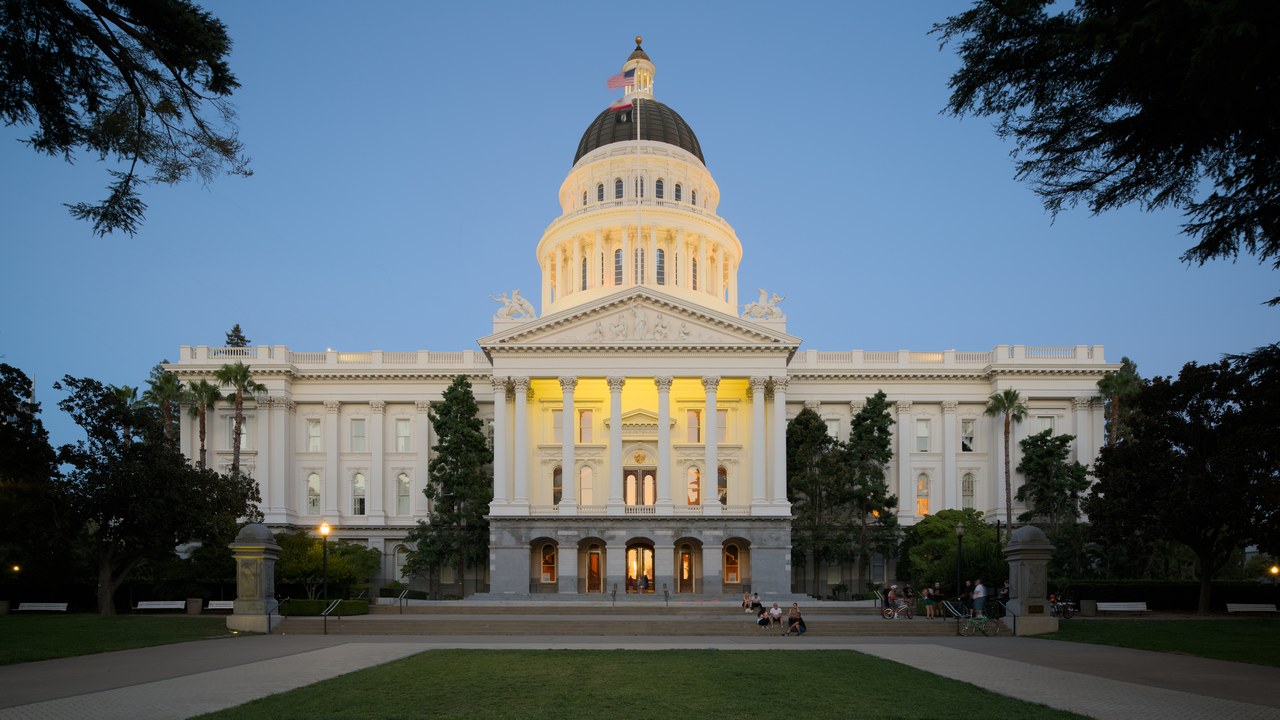
California identified $113.3 million in Medicaid overpayments but failed to return the full federal share
California’s Medicaid fraud-control work identified large provider overpayments, but a federal audit says the accounting did not reliably send Washington its share. Fourteen cases included $113.3 million that California failed to report and return through the required federal form. The inspector general also found tens of millions returned late, turning successful enforcement into a separate…
-

Businesses controlled by a COVID-loan fraud defendant received $337,915 before her 30-month sentence
Nonoperational businesses controlled by a Florida defendant received $337,915 from pandemic loan programs, according to federal court records summarized by prosecutors. The owner also helped at least 35 other borrowers obtain more than $4.47 million. A federal judge has now imposed a 30-month sentence, ordered multimillion-dollar forfeiture and addressed two years of unfiled tax returns.…
-
Self-employed filers who expect to owe $1,000 face a September 15 tax deadline
September 15 is the third estimated-tax deadline for the 2026 tax year, and self-employed people are among the filers most likely to need it. The familiar $1,000 figure is only the first part of the test. A filer generally must also expect withholding and refundable credits to fall below the applicable current-year or prior-year safe-harbor…