
Category: Rule Changes
-

When someone does not file, the IRS files for them, and the substitute return carries no deductions
A person who never sends in a tax return does not stop a tax bill from being calculated. Under Internal Revenue Code Section 6020(b), the Internal Revenue Service can prepare a return on that person’s behalf using only the income already reported by employers, banks and other payers. The resulting document, called a substitute for…
-

The IRS charges 7 percent a year, compounded daily, on anything still unpaid after October 15
Every quarter, the Internal Revenue Service recalculates the interest rate it charges on tax bills that go unpaid, and for the final quarter of 2026 the number did not move. Individual filers who still owe money after October 15 — the deadline for anyone who requested a filing extension back in the spring — will…
-

The IRS mailed more than 3.1 million nonfiler notices last year after mailing none two years earlier
The Treasury Inspector General for Tax Administration counted the mail the Internal Revenue Service sent to taxpayers who had not filed a return, and the swing was stark: zero notices in fiscal year 2023, 1.68 million in fiscal year 2024, and 3.16 million in fiscal year 2025. Almost the entire increase traces back to one…
-

Taxpayers in federally declared disaster areas have until February 1, 2027, not October 15
Most taxpayers who requested extra time on their 2025 return are working toward the same date: October 15, 2026. For households living inside nine separate 2026 disaster declarations — an earthquake in Hawaii County, wildfires that have burned across Nebraska since March, a typhoon in the Northern Mariana Islands — that date does not apply…
-

The IRS replaced its January guidance on overtime in August, and anything written from the old version may be wrong
Guidance issued in January on this year’s new overtime tax break has since been retired by the Internal Revenue Service itself, and the fine print of that swap matters more than a routine update usually would. On August 6, 2026, the IRS published Fact Sheet 2026-13, stating outright that it supersedes Fact Sheet 2026-01, the…
-
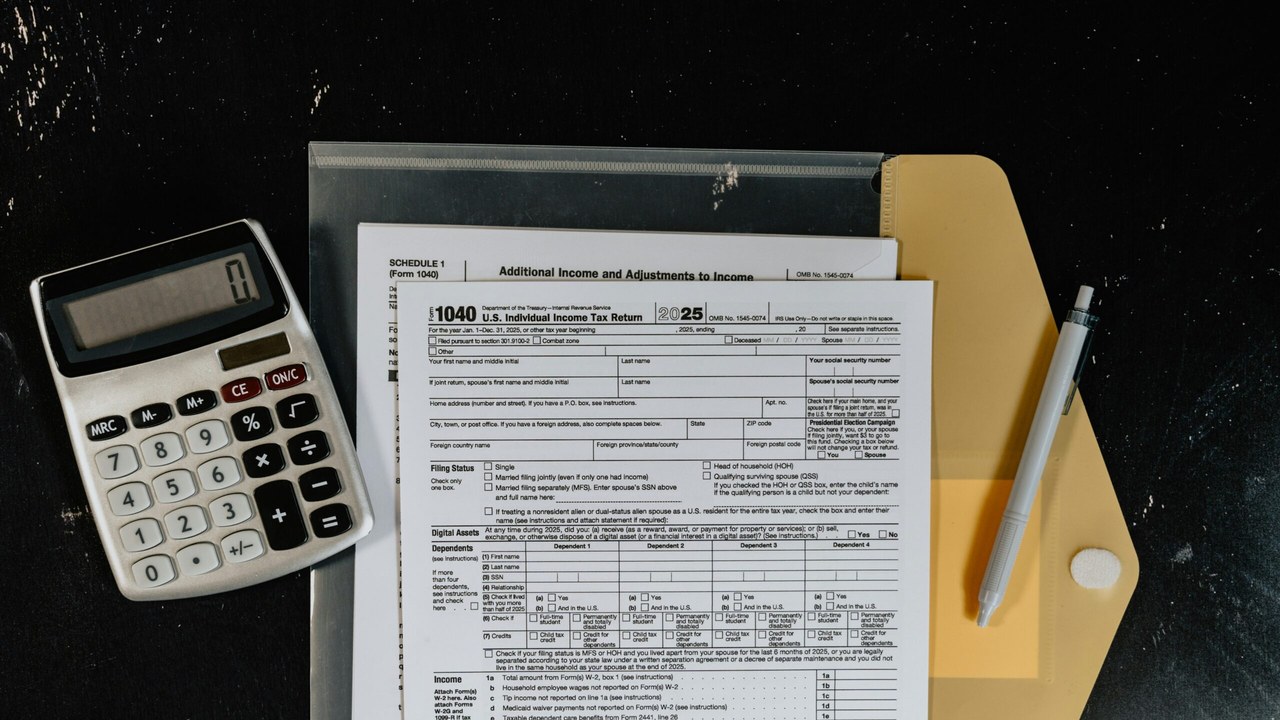
A return claiming the senior, tips, overtime or car loan deduction is wrong without the new Schedule 1-A
The One, Big, Beautiful Bill created four new individual deductions for the 2025 tax year: no tax on tips, no tax on overtime, a car loan interest deduction, and an enhanced deduction for people age 65 and older. All four now run through a single new IRS form, and a return that claims any of…
-

The payment Trump promised adults if Republicans hold Congress would cost about $1.3 trillion
President Donald Trump told a Republican convention crowd in Dallas that he would issue a $5,000 payment to every adult American citizen if the GOP keeps control of the House and Senate after November’s midterm elections. He gave no timeline, no funding mechanism and no agency to administer it. Analysts who ran the math on…
-

The IRS is replacing First Time Abate with automatic penalty relief, and the switch is final January 1
The Internal Revenue Service has begun retiring one of its oldest penalty-relief tools, First Time Abate, in favor of a new automatic process that does not require anyone to call or write in. The change affects any household or small business that occasionally files or pays a return late but otherwise has a clean compliance…
-

Federal law shields $11,980 of household goods and $5,300 of wages from an IRS levy this year
When someone falls behind on federal taxes and the IRS moves to collect through a wage garnishment or the seizure of belongings, the collection is not unlimited. A set of dollar figures built into the tax code marks off exactly how much of a paycheck, and which possessions, the government has to leave alone. Those…
-

The average effective U.S. tariff rate stood at 6.7% in July, up from 2.3% when the tariffs began
Customs officers processed roughly the same volume of imports in July 2026 as they did a year earlier, but the toll collected on every dollar of goods crossing the border looked nothing like it did when the current wave of tariffs began. According to the Penn Wharton Budget Model, the average effective tariff rate —…