
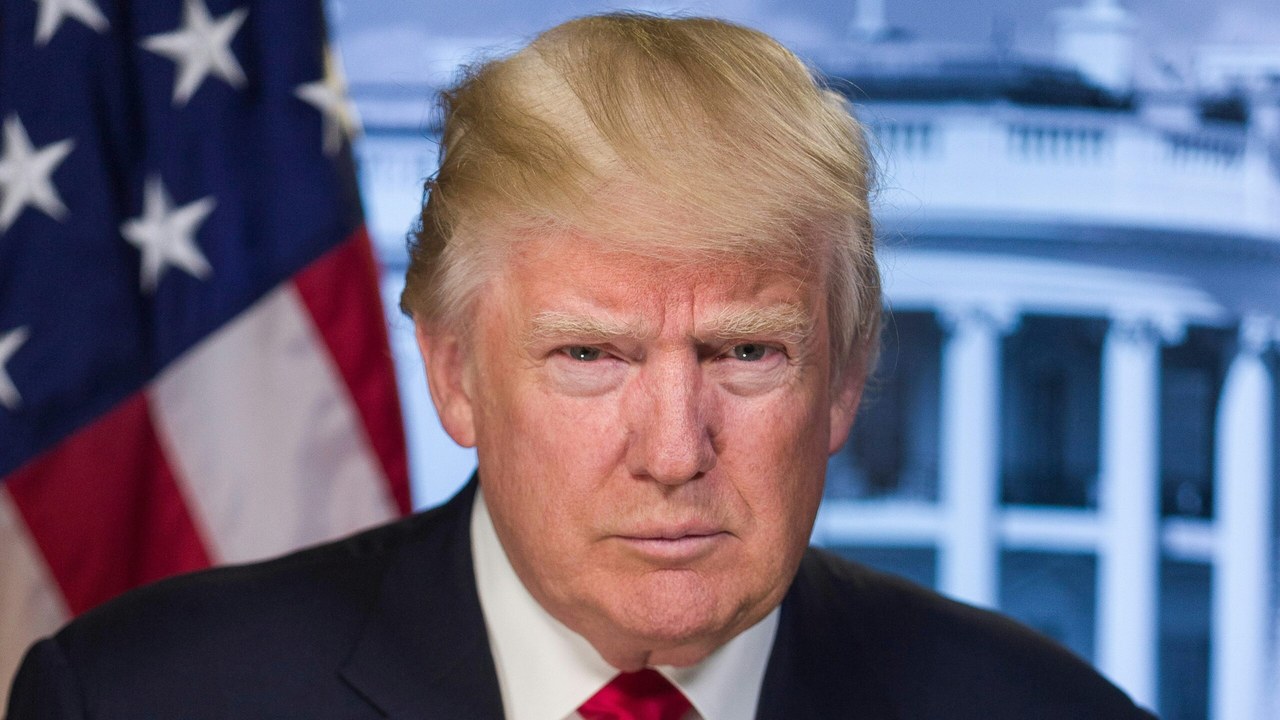
President Donald Trump told a Republican convention crowd in Dallas that he would issue a $5,000 payment to every adult American citizen if the GOP keeps control of the House and Senate after November’s midterm elections. He gave no timeline, no funding mechanism and no agency to administer it. Analysts who ran the math on the pledge put the price tag at roughly $1.3 trillion, a number that lands on top of a federal debt that already crossed $40 trillion for the first time in August.
A Dividend Promised From a Dallas Stage
Trump made the pledge on September 9 at the Republican National Midterm Convention in Dallas, telling supporters he would send every adult citizen $5,000 if Republicans keep control of both chambers of Congress after November’s elections. He did not say when a payment might go out or which federal agency would send it, adding only that recipients should spend the money inside the United States rather than abroad.
Vice President JD Vance told Fox News afterward that the idea amounts to a dividend for American workers, paid for by revenue the government is collecting from tariffs on imports. Trump has floated similar payments before: after his Department of Government Efficiency initiative was set up in 2025, Americans were told they would receive a share of the savings, a figure that started near $2 trillion and was later cut to $1 trillion without any payment materializing. In November 2025, Trump wrote that a dividend of at least $2,000 a person would be paid from tariff collections; no such payment has been reported since.
Free download: A seven-step ladder from rumor to payment issued, plus five yes/no tests to run before counting on any promised check. Get the free government check tracker.
Free download from RetireShield. Getting it also signs you up for the free Retirement Money Brief, a weekday email. Unsubscribe anytime.
The Arithmetic Behind the $1.3 Trillion Figure
The number in the headline is simple multiplication. There are roughly 270 million adult U.S. citizens, and a flat $5,000 payment to each one comes to about $1.3 trillion before the government spends a dollar verifying identities, printing checks or mailing debit cards to a population that size. Those administrative costs typically add to the top-line figure on any payment program run at national scale, which means $1.3 trillion is very likely a floor, not a ceiling.
Tariff Revenue Falls Short of the Promise
Vance’s suggestion that tariffs could cover the payment runs into a revenue problem. The Congressional Budget Office’s own tariff projections, updated through July 31, show the government’s effective tariff rate now sits at 10 percent, five percentage points below where it stood in November 2025, after the Supreme Court struck down tariffs imposed under emergency powers and the administration issued refunds. The CBO now expects trade-policy changes to add $0.9 trillion to deficits over the 2027–2036 period rather than shrink them, and net customs revenue for this fiscal year alone is projected to come in about $250 billion below what the office forecast back in February.
Al Jazeera’s reporting on the pledge separately cites the Tax Policy Center’s estimate that tariffs will raise about $1.7 trillion in total between fiscal years 2026 and 2036. A single $1.3 trillion dividend would consume roughly three-quarters of that entire eleven-year haul in one payment, leaving little of the tariff revenue Vance pointed to for anything else the government might want to fund with it.
What Another $1.3 Trillion Would Add to a Record Debt
Whatever isn’t covered by tariff revenue would have to be borrowed, and the government is already deep in debt. Total U.S. debt passed $40 trillion for the first time in August, doubling in less than a decade, and the country is now paying roughly $1.1 trillion a year just to service that debt, more than it spends on national defense. Maya MacGuineas, president of the Committee for a Responsible Federal Budget, has said the debt shows up throughout the economy over time, in higher interest rates and slower growth, rather than as a single visible bill.
Adding a $1.3 trillion dividend on top of that trajectory would show up the same way any other unfunded spending does: in higher borrowing costs that compete with interest already owed to the Federal Reserve, mutual funds, pension funds and foreign holders such as Japan and the United Kingdom.
Why Congress, Not Trump, Would Decide
A $5,000 payment to every adult would still need lawmakers to sign off. Federal law bars payments designed to influence how someone votes, but the promise is framed as a reward tied to an election outcome rather than to individual votes, which a criminal defense lawyer told the Associated Press likely keeps it on the right side of that line. The bigger hurdle, the lawyer said, is that money for a payment of this size does not sit in any account the president controls; Congress would have to authorize and appropriate it, the same as any other federal spending.
Congress would also need to weigh a payment like this against existing priorities such as Social Security, Medicare and defense spending. Nothing on the current legislative calendar proposes such a bill, and the payment’s fate is tied entirely to the outcome of an election still weeks away.
None of that resolves whether the $5,000 payment will ever reach a vote, let alone a mailbox. What is settled is the arithmetic: the debt that already tops $40 trillion continues generating about $1.1 trillion a year in interest costs on its own, a bill that comes due whether or not the midterm dividend clears Congress.
Benefit Rules That Don’t Wait on a Midterm Outcome
Congress has not voted on the payment described in Dallas, and no agency has been assigned to issue it. In the meantime, a set of federal and state benefit programs already operates under eligibility rules and income limits set for the current year, with no election outcome required.
The Benefits Checklist is a 69-page guide to 11 benefit programs, built around the 2026 income limits and a 50-state phone directory for tracking each one down.
See the full program list in The Benefits Checklist.
AI-assisted research and drafting; reviewed by an editor.


