
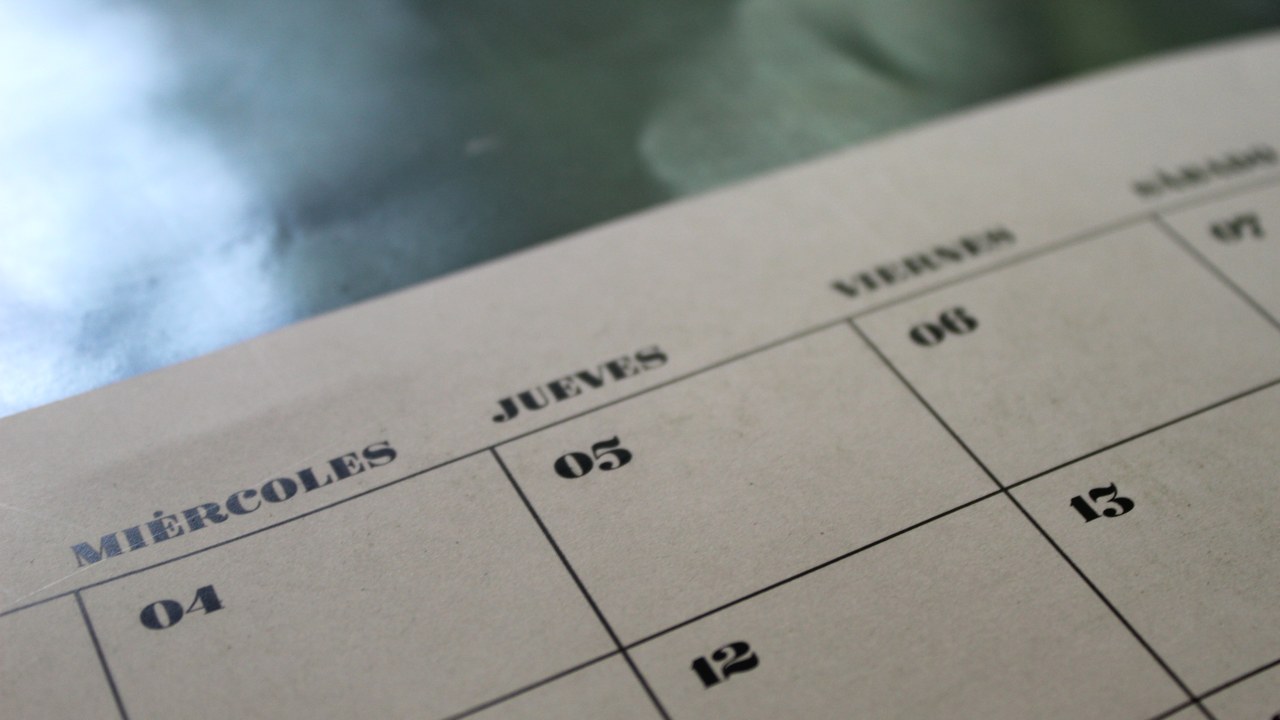
September 15 is the third estimated-tax deadline for the 2026 tax year, and self-employed people are among the filers most likely to need it. The familiar $1,000 figure is only the first part of the test. A filer generally must also expect withholding and refundable credits to fall below the applicable current-year or prior-year safe-harbor amount.
The deadline covers income earned through August
The third payment period runs from June 1 through August 31. Its federal estimated-tax installment is due September 15, 2026, followed by the fourth installment on January 15, 2027.
The due-date table in IRS Publication 505 for 2026 lists April 15, June 15, September 15 and January 15 as the four calendar-year checkpoints. The publication says a payment mailed by the deadline is counted using the U.S. postmark date.
Free retirement updates: Want plain-English help keeping more of your money in retirement? The free Retirement Shield newsletter covers the benefits, deadlines, and money mistakes that cost retirees, a couple times a week. Subscribe free.
The $1,000 test has a second gate
Estimated tax generally applies when a person expects to owe at least $1,000 for 2026 after subtracting withholding and tax credits. But owing $1,000 does not automatically set the installment amount. The IRS also compares expected withholding and credits with the smaller of 90% of the tax expected on the 2026 return or 100% of the tax shown on the 2025 return.
Higher-income taxpayers may need to use 110% of prior-year tax for that safe harbor, and farmers, fishers and some other filers have special rules. The 2026 Form 1040-ES package provides the worksheet used to estimate the annual requirement rather than assuming that every self-employed person owes one quarter of gross receipts.
Self-employment creates the issue because no employer routinely withholds income and self-employment taxes from business receipts. Interest, dividends, rents, capital gains and other income without sufficient withholding can create the same need even for someone who also receives wages or retirement income.
Uneven income can change the installment
Four equal payments work when income arrives fairly evenly. A seasonal business, large one-time sale or midyear start can make that method inaccurate. Publication 505 describes an annualized-income installment method that calculates liability by period based on income actually earned through each checkpoint.
Using that method may reduce an earlier-period installment when income arrived later, but it also requires Form 2210 and Schedule AI with the 2026 return. A payment can still be penalized for one period even if the full-year return ultimately shows a refund, because the system tests whether enough tax was paid by each due date.
Withholding behaves differently from an estimated payment for timing purposes. Federal income tax withheld from wages or certain retirement distributions generally is treated as paid evenly during the year unless the filer establishes the actual withholding dates. That can make an adjusted withholding election a useful way to cover a projected gap late in the year, depending on the filer’s circumstances.
Payment and calculation are separate steps
The IRS accepts estimated-tax payments through an online account, Direct Pay, the Electronic Federal Tax Payment System, card processors and mailed vouchers. Its Form 1040-ES overview identifies self-employment, interest, dividends and rents as common sources of income not subject to withholding.
A payment confirmation records money sent; it does not establish that the amount is sufficient. The worksheet, prior-year return and year-to-date business records remain the evidence behind the safe-harbor calculation. A business with sharply changed income should refigure rather than repeat the June amount automatically.
For September 15, the verified rule is exact but conditional: self-employed filers who expect to owe at least $1,000 and who fall short of the safe-harbor tests face the third 2026 estimated-tax deadline. Special rules and uneven-income calculations can change the amount, but not the date shown in the current IRS schedule.
Seasonal and uneven income can make four identical payments a poor fit. The annualized-income installment method may reduce or shift required payments when earnings arrive unevenly, but it requires more calculation and records. A large late-year contract does not necessarily mean the same estimated amount was due for an earlier quarter before the income existed.
A payment confirmation should be kept with the worksheet used to calculate the installment. Bank withdrawal records establish that money moved, while the worksheet explains why that amount was selected. If estimates change after a new contract, deduction or withholding adjustment, the remaining installments can be recalculated instead of repeating an outdated figure.
What a stalled refund actually means
Each status message and each notice points to a different cause, and each cause has its own next step.
The IRS Refund Recovery Kit includes a 13-page kit, a notice decoder and the refund-trace steps (Form 3911).
Read the notice decoder in The IRS Refund Recovery Kit.
This article was produced with AI assistance and reviewed by a human editor. Figures are linked to their primary sources; where a claim could not be verified from the public record, we say so.


