
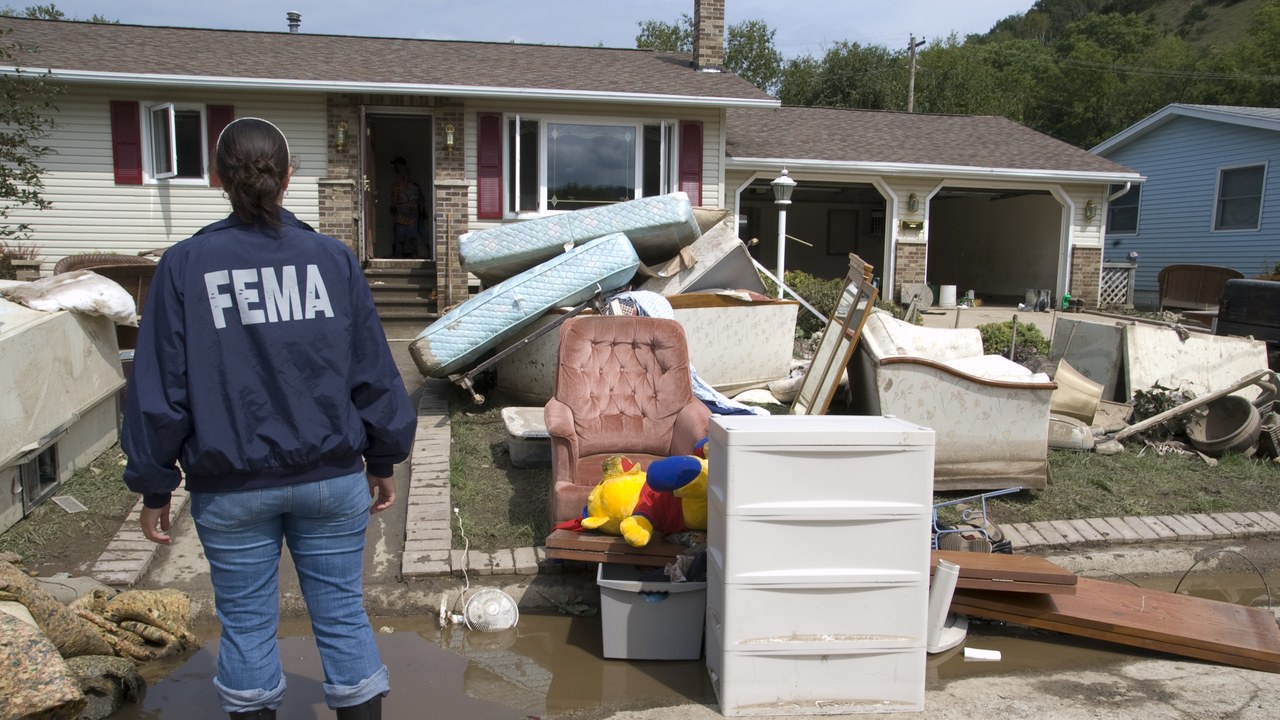
After a disaster, lost papers can make a tax, insurance or assistance claim harder to document. The IRS says old bank and credit-card statements, photos, videos, canceled checks, receipts and county records can help rebuild a record of damaged property. The guidance does not guarantee a tax deduction or an insurance payment. It explains practical ways to recreate evidence when the original files are gone.
Why reconstruction matters after records are lost
The IRS’s September 2 tax tip says that records may be needed for tax purposes, federal assistance or insurance reimbursement after a disaster. The same document can serve different roles. A return transcript can help reconstruct tax information; a bank statement can help establish a purchase; photographs can help show the property’s condition and value; and local records can support details about real estate.
The central point is that a missing receipt is not always the end of the record. Many institutions keep copies or electronic histories. Reconstructing information while dates, contacts and online records are still available can be much easier than trying to recreate it years later.
The guidance is a general recordkeeping tool. It does not say every disaster loss is deductible, every insurance claim will be paid, or every item can be valued from a photo alone. The applicable tax, insurance and assistance rules still determine what proof is sufficient.
Free weekday retirement brief: Social Security, Medicare, and the IRS change the rules every year — and no notice arrives in the mail. The Retirement Money Brief by RetireShield explains one change every weekday: what moved, who it affects, and the step to take. Get the free brief.
Start with tax and financial records
The IRS says taxpayers can use an Individual Online Account to view, print or download transcripts. A tax return transcript is commonly needed after a disaster loss. The agency also lists ordering a transcript by mail or using Form 4506-T. Those records can establish prior income, filing information or other items that support a tax-related request.
For financial records, the IRS notes that banks and credit-card companies often provide access to past statements. Statements can help identify dates, merchants and purchases. They may not show the full description of an item, so pairing them with photos, receipts, warranty records or retailer information can produce a clearer record.
Copies should be kept in a separate location when possible. An electronic folder or secure cloud storage can reduce the risk that a second event destroys the rebuilt documents. The IRS tip does not prescribe one storage method, but a reconstruction effort is more useful when it produces records that can be found again.
Use photos and property records for the value story
The agency says photos, videos, canceled checks and receipts can help establish the value of damaged or lost personal property. Images taken before an event can be especially useful because they show what was present and its condition. Images taken after an event can document damage. Neither type by itself answers every valuation question, but together with purchase records they can be meaningful evidence.
For real property, the IRS recommends contacting the title or escrow company or bank involved in a home purchase for copies of records. Home-improvement documentation can be rebuilt by asking contractors for statements that verify the work and cost. When no other records are available, the agency says taxpayers can check the county assessor’s office for older records that may address value.
These sources can help create a chronology: what was owned, when it was acquired, what was spent to improve it and how the disaster affected it. That chronology may be more persuasive than an unsupported memory of a total loss amount.
Separate the record task from the tax decision
Gathering documents is not the same as deciding how to report a casualty loss. The IRS points readers to Publication 547 and casualty-loss workbooks for more detailed rules. Insurance reimbursements, the disaster declaration, the type of property and the year of the event can all affect whether and how a loss is treated.
The same caution applies to federal assistance. A document can be helpful for an application without proving eligibility. Program administrators may ask for different forms or dates. The record-reconstruction work gives a person a better factual base; it does not replace the specific rules of the benefit or claim program.
A practical record-rebuilding order
An orderly approach can begin with the easiest sources: bank and card histories, online tax transcripts, photos stored on phones or cloud services, and mailed statements. Next come third parties such as contractors, title companies, retailers, banks and local government offices. Keeping a simple list of each document, source and date can prevent duplicated work.
The IRS also says disaster-area taxpayers may see personalized messages in Individual Online Account about tax relief and other assistance. Those messages can be useful alongside the reconstructed records, but an official notice or the area-specific IRS relief announcement controls any deadline.
The current IRS guidance supports a modest but useful conclusion: records can often be rebuilt after a disaster from sources that households already have or can request. The goal is an accurate file, not a guessed value or a promised outcome.
What a stalled refund actually means
Each status message and each notice points to a different cause, and each cause has its own next step.
The IRS Refund Recovery Kit includes a 13-page kit, a notice decoder and the refund-trace steps (Form 3911).
Read the notice decoder in The IRS Refund Recovery Kit.
AI-assisted research and drafting; reviewed by an editor.


