
Category: Scams & Your Rights
-

Eternity Pet Memorial’s owner admits stealing over $650,000 from thousands of pet owners
Patrick Vereb Sr., the 72-year-old owner of Eternity Pet Memorial in western Pennsylvania, has pleaded guilty to felony theft charges for taking more than $650,000 from pet owners who paid for cremations and burials. Pennsylvania Attorney General Dave Sunday announced the plea on October 22, 2026. The owner admitted the charges, which include first-degree theft…
-
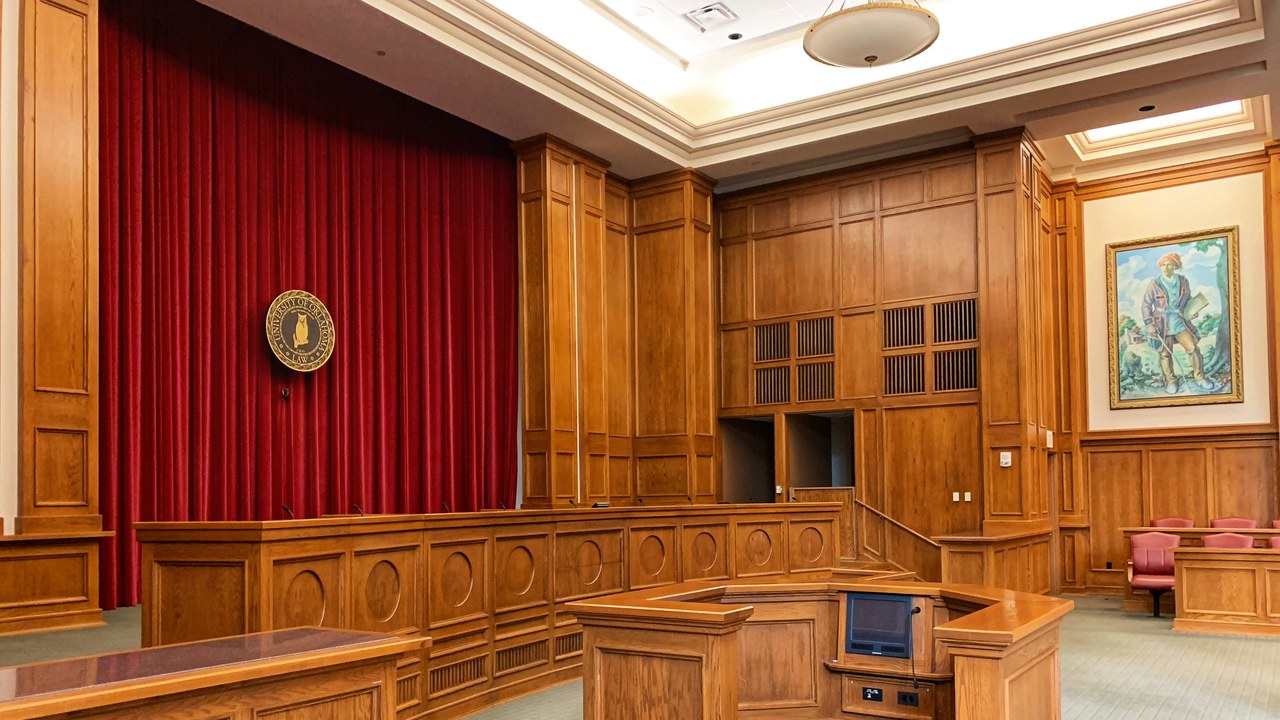
A Jacksonville woman is charged with taking VA survivor benefits for 35 years
A 63-year-old Jacksonville woman, Gail Starks, has been indicted on federal charges of stealing Veterans Affairs survivor benefits, with prosecutors saying the payments ran for 35 years. The Justice Department announced the charges on October 23, 2026. An indictment is an accusation, and Starks is presumed innocent unless and until she is proven guilty. The…
-

New York seeks $1.3 billion from NovaTech’s founders after four crypto promoters settled
Four promoters of an alleged cryptocurrency pyramid scheme have agreed to pay about $5.98 million to settle with New York, and the state is now asking a court for far more from the couple behind it. The Attorney General’s office says it filed a request seeking $1.3 billion from NovaTech’s founders, Cynthia and Eddy Petion.…
-

FTC impostors are threatening to deactivate phone numbers and demanding a security deposit
The Federal Trade Commission is warning about phone calls from people who pose as FTC officials and threaten to deactivate the listener’s phone number. The agency’s consumer alert, posted October 22, 2026 by Bureau of Consumer Protection staff, says the calls end in a demand for a “security deposit.” The FTC says none of it…
-

Former owners of tax-foreclosed land in Oregon’s Baker, Columbia, Jackson and Marion counties can claim a share of $4.9 million by November 30
Oregon is paying out a $4,919,409.99 pool to people who lost land to tax foreclosure in four counties, and the claim window is open until Monday, November 30, 2026. The four counties are Baker, Columbia, Jackson and Marion. Former owners, and the heirs and successors of former owners, can file online or by mail postmarked…
-

Heirs and former owners of homes lost to tax foreclosure in 28 Michigan counties from 2013 to 2020 have until November 23 to claim the surplus sale money
Former owners of homes that Michigan counties took for unpaid taxes between 2013 and 2020, and the heirs of those owners, have until November 23, 2026 to file a claim in two class action settlements over surplus sale money. The deadline was pushed back from July 16 by a court order dated August 25. Claims…
-

Jackson County, Missouri homeowners who want out of the reassessment settlement must postmark exclusion requests by November 18, before a November 23 approval hearing
Jackson County, Missouri homeowners who would rather keep their right to sue than join the property tax reassessment settlement have until November 18, 2026 to put a letter in the mail. The exclusion request has to be postmarked by that date, five days before a Kansas City judge holds the approval hearing on November 23.…
-

Hyundai must fix 94,622 Genesis sedans because seat motors can catch fire
Hyundai is recalling 94,622 older Genesis sedans because a stuck power-seat switch can overheat a seat motor and start a fire, whether the car is parked or moving. The repair does not exist yet, and federal safety officials are telling owners to park outdoors until it does. The National Highway Traffic Safety Administration (NHTSA) logged…
-

Lexus will fix 68,356 NX SUVs free with a dashboard software update
Toyota is recalling 68,356 Lexus NX SUVs from the 2022 through 2024 model years because the dashboard may not warn the driver about serious engine trouble. Dealers will fix the problem with a software update at no charge, according to the federal recall record. The National Highway Traffic Safety Administration (NHTSA) received Toyota’s report on…
-
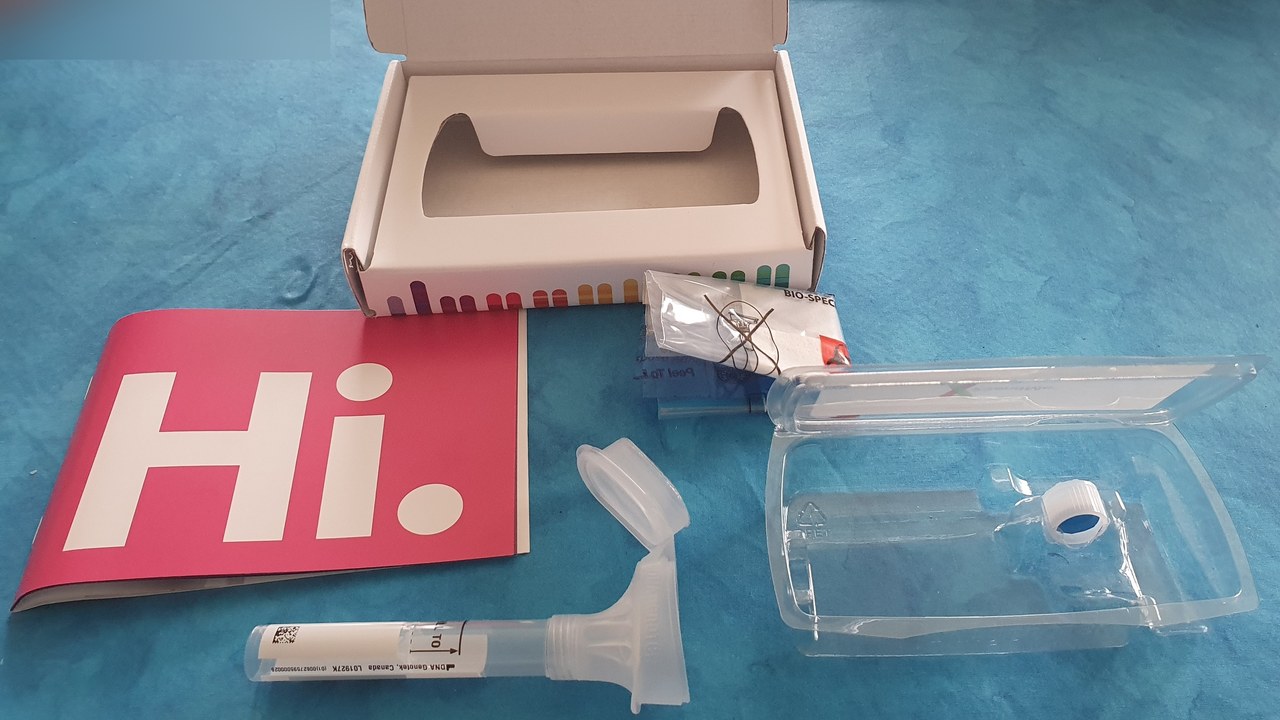
California reached a $6 million 23andMe deal, pending court approval, over a breach exposing more than 855,000 Californians, who can still have their DNA data deleted
California Attorney General Rob Bonta announced a $6 million settlement with the company that used to be 23andMe on October 19, 2026. The deal covers a 2023 data breach that exposed information on more than 855,000 Californians, and it still needs approval from the U.S. Bankruptcy Court for the Eastern District of Missouri. The payment…