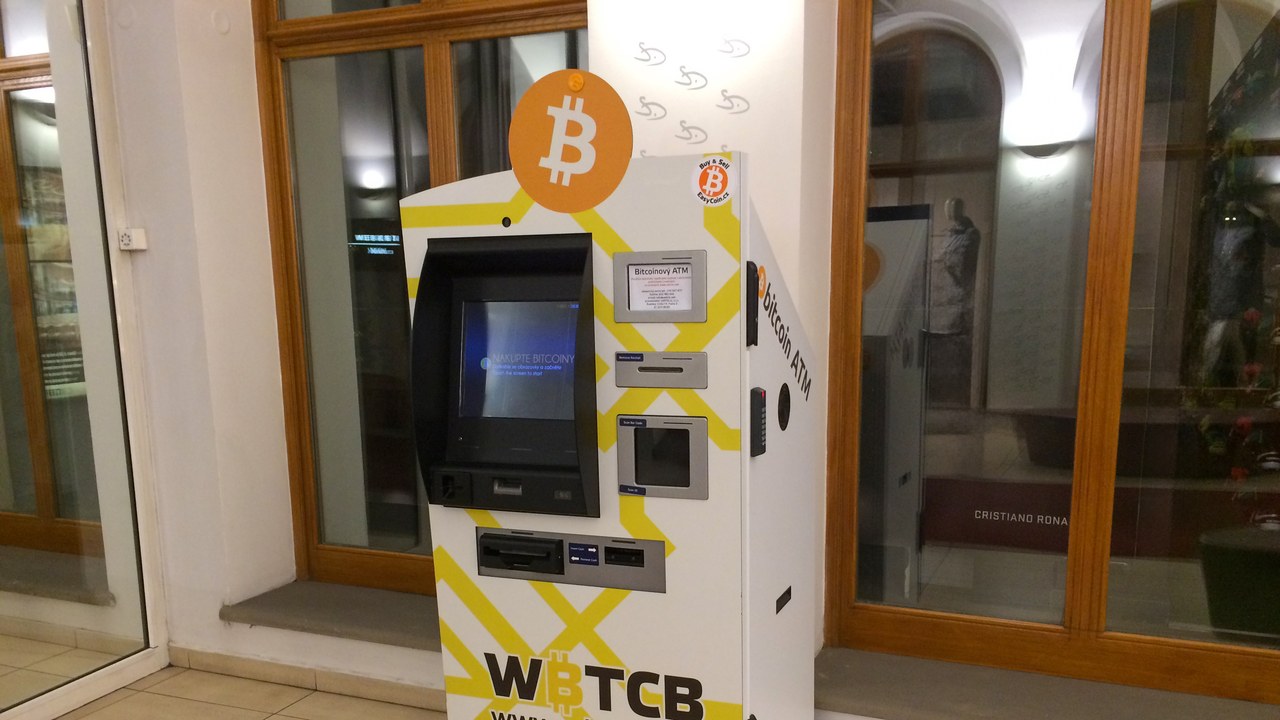
Crypto ATM kiosks look like ordinary cash machines, but the FBI says scammers have turned them into one of the fastest-growing ways to move a victim’s money out of reach for good. In its newly released 2025 Internet Crime Report, the bureau’s Internet Crime Complaint Center found that people 50 and older accounted for $302 million of the money fed into cryptocurrency ATMs at a scammer’s direction last year. That is real money, converted to digital currency in person at a kiosk and then sent, often within minutes, to accounts overseas.
How a Cryptocurrency ATM Scam Actually Works
The scheme usually starts with a relationship built on a false premise: a caller posing as a government agency, a utility company, a romantic interest online, or a lottery official claiming a prize needs a fee. Once trust or urgency is established, the scammer tells the victim to withdraw cash, sometimes from a retirement or investment account, and drive to a physical cryptocurrency kiosk. There, the scammer supplies a QR code tied to their own crypto wallet. The victim scans it, feeds in cash, and the machine instantly converts it into cryptocurrency sent directly to the scammer.
That instant, irreversible transfer is the entire point. Unlike a bank wire, which can sit pending for a day or two, a cryptocurrency payment settles the moment it’s sent, and funds often move overseas within minutes of leaving the kiosk. That timing is a big part of why recovery is so difficult once the transaction clears.
Free retirement updates: One number can cost or save hundreds a month in retirement. The free Retirement Shield newsletter surfaces the ones worth knowing. Sign up free.
$302 Million of $389 Million Came From People 50 and Older
IC3’s 2025 Internet Crime Report counted 13,460 crypto ATM and kiosk complaints in 2025, with reported losses of $388,981,267 overall. Broken out by age, the 50-59 bracket reported 1,524 complaints totaling $44,584,724 in losses, and the 60-and-older bracket reported 6,188 complaints totaling $257,466,130. Combined, that is $302,050,854 — more than three-quarters of the category’s total dollar losses, even though people 50 and older made up a little over half of the complaint count. Older victims, in other words, tend to lose more per incident once a scammer gets them to a kiosk. IC3 confirmed the same split in its own words in a state-level follow-up bulletin: “More than half of the complaints involved individuals over 50, with losses over $302 million.”
A Warning the FBI Issued Years Before This Report
The mechanics behind this year’s numbers aren’t new. The FBI first warned the public about crypto-ATM and QR-code scams in a November 2021 public service announcement, describing the same pattern of impersonation, romance and lottery schemes directing victims to physical kiosks. That the identical playbook is still generating hundreds of millions in losses four years later says less about awareness campaigns failing and more about how well the tactic works once a scammer has a victim’s trust.
Why the Losses Keep Climbing
The report’s own crypto ATM section shows a 23% increase in complaints and a 58% increase in losses from 2024 to 2025 — losses growing far faster than complaint counts, meaning the average dollar amount lost per incident is rising. The bureau’s April 2026 announcement of the full report noted that cryptocurrency-related complaints, broadly, were among the costliest categories tracked in a year when total cyber-enabled fraud losses approached $21 billion.
Which States Report the Most Kiosk Losses
IC3 followed the annual report with a state-by-state breakdown of 2025 crypto kiosk complaints, published in May 2026, to help local field offices and the public see where this specific scheme is concentrated. Texas led the country with $56.8 million in reported losses across 1,179 complaints, followed by Florida at $32.8 million and California at $24 million. Pennsylvania and Arizona each topped $14 million despite far smaller populations, showing the pattern isn’t confined to the largest states. The same bulletin lists behavioral warning signs bank tellers and kiosk operators are trained to watch for, including customers withdrawing unusually large cash sums for the first time, arriving with QR codes they can’t explain, or staying on the phone with someone while operating the machine.
Protecting Yourself and Older Relatives From the Kiosk Pitch
The FBI’s guidance is consistent across both bulletins: never send payment to someone you’ve only spoken with online, never scan a QR code someone else gives you at a crypto ATM, and treat any entity that will only accept payment in cryptocurrency — especially one claiming to be the government, a law firm or a utility — as a red flag rather than a legitimate collector. If a kiosk operator or bank flags a transaction as suspicious and advises stopping, the FBI’s advice is simple: stop the transaction. Filing a report with IC3 afterward, even if the money is already gone, helps investigators track kiosks and patterns tied to the same networks, and the May 2026 bulletin specifically asks victims to save the transaction ID and wallet address the kiosk generates.
This article was produced with AI assistance and reviewed by a human editor. Figures are linked to their primary sources; where a claim could not be verified from the public record, we say so.
More Financial Reading