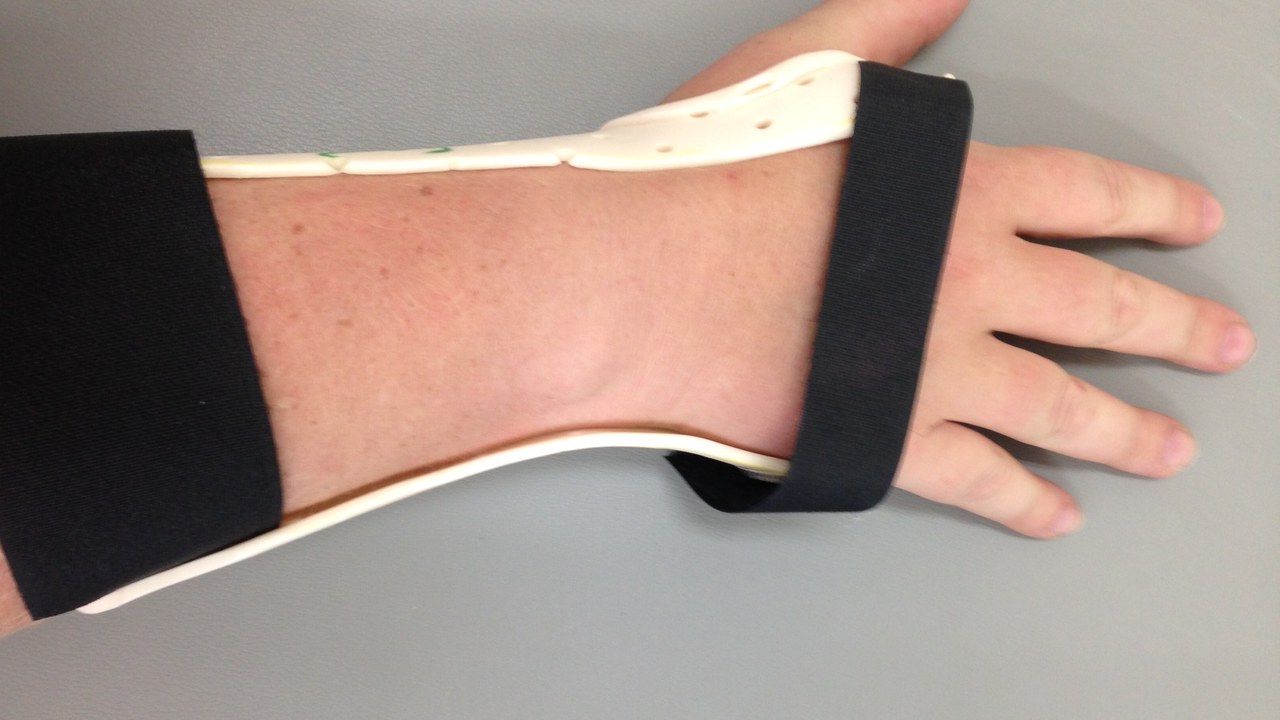
A Texas-based durable medical equipment supplier submitted roughly $5.5 million in claims to Medicare for orthotic braces, and federal investigators say the company may never have delivered what it billed for. The Centers for Medicare & Medicaid Services disclosed the case this week as part of a broader crackdown on medical-equipment fraud, and it stands out for a detail that should worry any Medicare household: six beneficiaries told investigators they’d never heard of the company and didn’t need the braces it billed in their names.
A $5.5 Million Orthotics Bill From a Company Six Patients Say They Never Contacted
CMS says the Texas supplier ran up approximately $5.5 million in orthotics claims before the agency stopped the money from reaching the company. Investigators interviewed six Medicare beneficiaries whose names appeared on the claims; all six said they did not know the providers who supposedly ordered the braces, had never heard of the supplier, and did not need or want the equipment in the first place. That combination, real beneficiary information attached to equipment nobody asked for, is the signature CMS looks for when it suspects a supplier is billing off beneficiary data rather than serving actual patients. CMS has not named the company in its public release, and no criminal charges have been announced against it.
Free retirement updates: Miss an enrollment or claim deadline and it may be gone. Our free Retirement Shield newsletter keeps readers ahead of the ones that matter. Get the free newsletter.
Nine Claims Dated After a Beneficiary Had Already Died
Beyond the six interviews, CMS says it also found claims for nine beneficiaries with dates of service listed after those beneficiaries had already died, the same red flag that showed up across the broader 11-supplier action this case is part of. A claim dated after a beneficiary’s death usually means one of two things: the paperwork was generated after the fact, or the supplier never checked eligibility before billing and got caught only because CMS cross-references its own death records against incoming claims. Either way, it is not the kind of mistake a legitimate DME company makes nine times over. For a household, the detail is also a reminder of how automated this billing already is: the same government cross-checks that flagged a claim dated after a death could just as easily miss a fabricated claim filed while everyone involved was still alive, if nobody happens to be reading the statement.
CMS Says the Supplier Wasn’t Even Operating Where It Claimed
CMS also determined the Texas company was not operational at its reported business location, a detail that can be enough on its own to trigger a Medicare enrollment revocation, separate from any fraud finding. Durable medical equipment suppliers are required to maintain a physical location Medicare can inspect, precisely because DME billing has a long history of shell addresses standing in for warehouses that don’t exist. When reviewers can’t verify a supplier is actually where it says it is, that alone raises the odds the billing behind it is fabricated as well.
One Case Inside a $3.4 Billion Nationwide Sweep
The tool CMS used in the Texas case is worth naming precisely, because it explains where this fits in the larger sweep. Rather than waiting to add the company to its Preclusion List, the roster used to bar future Medicare Advantage and Part D payments from suppliers whose conduct CMS judges harmful, the agency reached for its original Medicare payment-suspension authority here: a faster, more surgical power that freezes money before it leaves the building rather than clawing it back afterward. CMS says it is barring 11 DMEPOS suppliers nationwide, tied to more than $3.4 billion in suspected fraudulent billing across 2025 and 2026, from receiving future Medicare Advantage and Part D payments, and every one of the 11 billed for beneficiaries who were already deceased. CMS is working with the Department of Health and Human Services’ Office of Inspector General on the wider investigation, and describes actions like this one as ways to stop questionable payments before they leave the agency rather than chase them after the fact. Nobody has been convicted of anything in the Texas case, and the $5.5 million figure is what CMS calls suspected fraudulent billing, not a proven loss.
If an Unfamiliar DME Charge Shows Up on Your Statement
If a Medicare Summary Notice or Medicare Advantage statement lists a brace, wheelchair, catheter order, or other equipment a household doesn’t remember ordering, the Texas case is a reason to treat that line item as suspicious rather than assume it’s a harmless mistake. Call the number on the notice, or Medicare directly, and say plainly that the item was never requested or received; that call is what turns a questionable entry into evidence the way it did for the six beneficiaries CMS’s investigators interviewed in this case. It’s worth keeping the notice itself, on paper or saved digitally, rather than discarding it, since a record of when an error was first noticed and reported matters if the charge needs to be formally disputed. The same caution applies to a parent’s or spouse’s Medicare statements after a death in the family, since a beneficiary who has passed away can’t personally notice a stray charge filed in their name. A supplier’s real Medicare enrollment status can also be checked before assuming a bill is legitimate just because it carries a beneficiary’s real information.
This article was produced with AI assistance and reviewed by a human editor. Figures are linked to their primary sources; where a claim could not be verified from the public record, we say so.
More Financial Reading