
Category: Saving & Banking
-
The FDIC counts $326.7 billion in unrealized losses still sitting on bank balance sheets
Banks had one of their most profitable quarters in years this spring, and they still finished it holding $326.7 billion in paper losses on securities they haven’t sold. The Federal Deposit Insurance Corporation’s Quarterly Banking Profile for the second quarter of 2026, released August 25, shows that the exposure driving those losses hasn’t disappeared since…
-
The FDIC says the average one-year CD pays 1.71 percent, far under the 5.65 percent ceiling
The Federal Deposit Insurance Corporation refreshed its monthly rate benchmark on August 17, and the gap it revealed is a familiar one for anyone who hasn’t shopped around lately. The national average one-year certificate of deposit currently pays 1.71 percent, while the regulatory ceiling for that same product sits at 5.65 percent — more than…
-
Five American banks have failed in 2026, and a credit union with 183 members was liquidated this month
Two federally insured institutions went under this month, on opposite ends of the financial system, and neither event cost a single depositor or member a dollar. A small, newly chartered credit union in Missouri was shut down for unsafe operations, and a century-old Philadelphia savings bank became the fifth bank failure of the year nationwide.…
-
The FDIC’s problem bank list fell to 47 as the deposit insurance fund reached $161.1 billion
Bank failures make headlines; the quieter numbers that predict them rarely do. The FDIC’s latest scorecard on the health of the banking industry, covering the second quarter of 2026, shows both sides of the ledger moving in a reassuring direction for anyone with money sitting in a checking or savings account. Fewer banks are flagged…
-

Borrowers have until September 30 to turn on auto-pay and cut a federal student loan rate a full point
Federal student loan borrowers who still write a check or log in every month to pay their bill are missing out on a discount that their auto-pay peers are already banking. The U.S. Department of Education says that gap closes for good on September 30, when the deadline passes for new enrollees to lock in…
-
The FDIC loosened rules on networks that keep balances above $250,000 insured
Money sitting in a single bank account above $250,000 has always carried some exposure the standard FDIC insurance limit doesn’t cover on its own. Banks have spent years building networks that split large deposits across many banks to close that gap without the depositor lifting a finger, and a rule change adopted at the end…
-
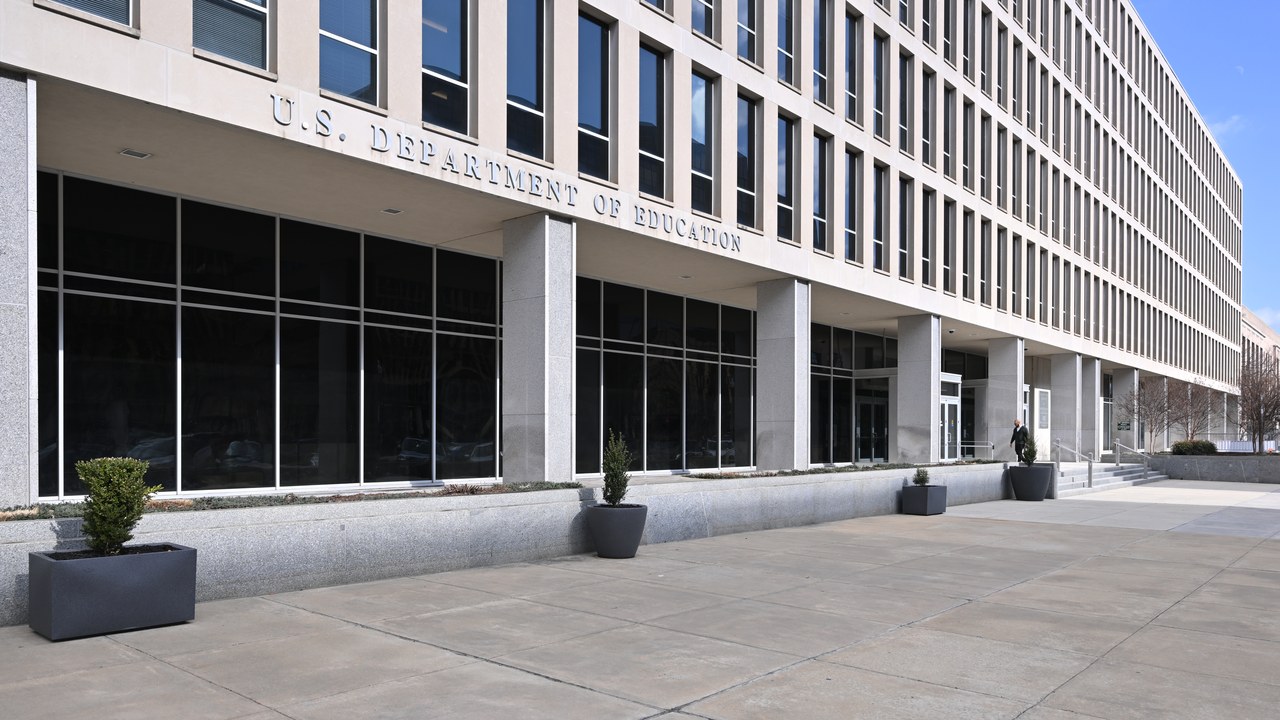
Under the Education Department’s new repayment plan, a student loan balance can no longer grow while payments are made
Millions of federal student loan borrowers have watched a monthly payment go out and their balance somehow tick up anyway, a result of interest accruing faster than income-based payments could cover it. The Education Department’s new repayment system is built specifically to stop that from happening. Under the plan the department finalized this year, a…
-

Lenders now keep reporting charged-off card debt for years, and 23 million Americans have one on file
Charged-off credit card debt is sticking around on borrowers’ credit reports far longer than it used to, new Federal Reserve research shows. New research from the Federal Reserve Bank of New York shows that lenders have become far more persistent about keeping those charged-off balances visible on credit reports long after the debt itself has…
-
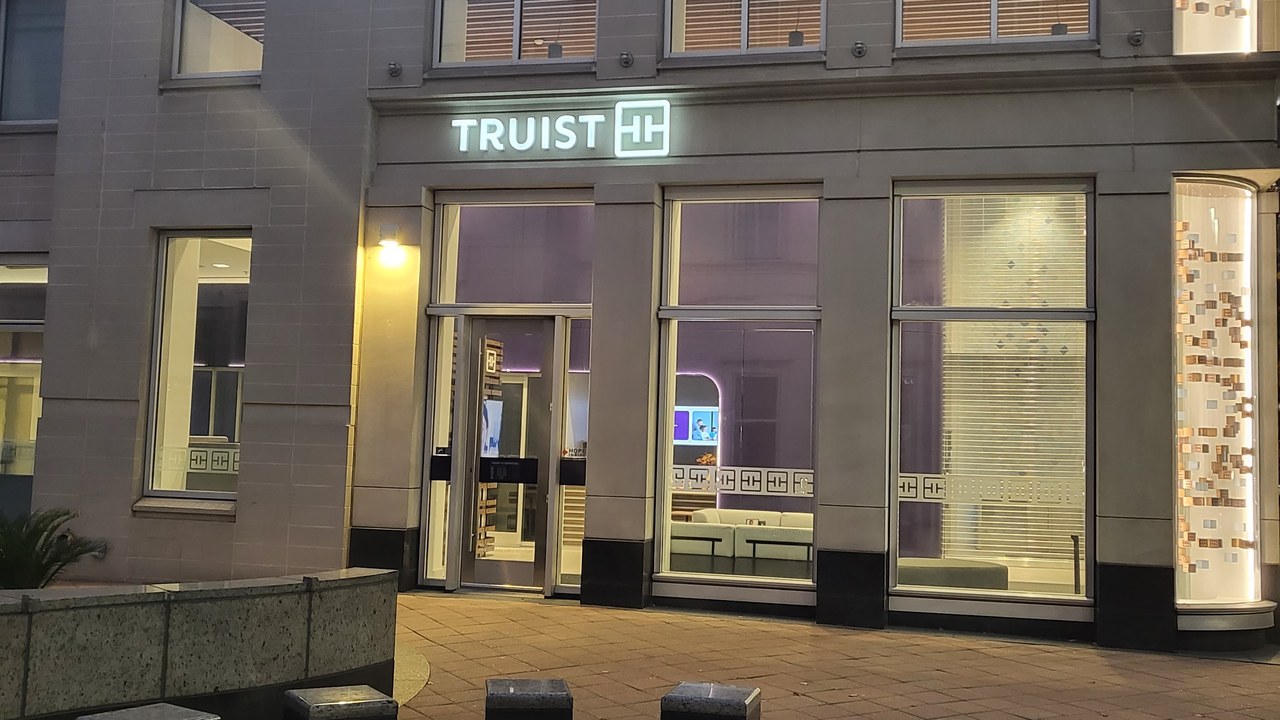
Truist waives its $12 monthly checking fee for customers 62 and older
Most bank fee waivers ask for something from the customer — a certain balance, a certain number of direct deposits, a bundled product. Truist has built one waiver path into its checking lineup that asks for nothing at all except a birth date. Customers on either side of a specific age line can skip the…
-

An untouched U.S. Bank account is charged $5 a month for sitting dormant
A checking or savings account that sits untouched long enough does not just quietly wait for its owner to come back. At U.S. Bank, an account classified as dormant is charged $5 every month it stays that way, a fee that can chip away at a forgotten balance long before the state ever gets involved.…