
Author: Elizabeth Blessing
-

Nearly 30 percent of people who lost money to a scam last year say it started on social media, adding up to $2.1 billion.
New federal data single out one channel as the costliest way scammers reach people’s wallets: social media. The Federal Trade Commission reported that in 2025, nearly 30% of people who told the agency they lost money to a scam said it started on a social media platform, with total reported losses of $2.1 billion, an…
-

The IRS closed its free Direct File tool, leaving the older Free File partnership as the government’s free filing route.
The IRS’s experiment with a government-run, free tax-filing tool is over, at least for now. Treasury told Congress in an October 2025 report that the IRS would suspend Direct File, and a follow-up federal audit released this March confirms the tool’s own web page now tells former users it is “no longer available.” What’s left…
-

Twenty-six more Social Security hearing notices now arrive online.
Social Security is putting more of the paperwork behind a disability appeal into a place claimants already check: their online account. As of this month, people with a pending hearing or appeal can view 26 additional case-related notices electronically instead of waiting for them in the mail. It’s a small-sounding update with a real dollar…
-

Losses above $100,000 were 68 percent of older adults’ reported fraud.
A new Federal Trade Commission report on fraud against older Americans found that a small share of cases is doing almost all of the financial damage. In its December 2025 report to Congress, the agency said that in 2024, reports of losses of $100,000 or more made up only 5% of the fraud-loss reports filed…
-

Consumers filed 3 million fraud reports last year and put their losses at $15.9 billion, against about $12 billion the year before.
Federal regulators have a fresh number for how expensive scams got last year, and it isn’t small. The Federal Trade Commission told Congress this year that consumers filed 3 million fraud reports in 2025 and put their combined losses at $15.9 billion, up from 2.6 million reports and more than $12 billion in losses the…
-

People over 50 accounted for $302 million of the money Americans fed into crypto ATMs at a scammer’s direction last year.
Crypto ATM kiosks look like ordinary cash machines, but the FBI says scammers have turned them into one of the fastest-growing ways to move a victim’s money out of reach for good. In its newly released 2025 Internet Crime Report, the bureau’s Internet Crime Complaint Center found that people 50 and older accounted for $302…
-

More than 3,100 complaints from older Americans named artificial intelligence last year, and those cases alone topped $352 million in losses.
The FBI’s Internet Crime Complaint Center gave artificial intelligence its own fraud category for the first time in the bureau’s nearly 25-year history of tracking online crime, and the toll on older Americans is already substantial. In its newly published 2025 Internet Crime Report, IC3 recorded more than 3,100 complaints from people age 60 and…
-

The food stamp savings cap holds at $3,000 for most households even as the limit for older and disabled households rises to $4,750.
Starting October 1, 2026, the U.S. Department of Agriculture will phase in its annual round of cost-of-living adjustments to the Supplemental Nutrition Assistance Program, and one figure in the package is staying exactly where it has been for years: the resource limit for most households applying for food assistance holds at $3,000. Households with a…
-

An elderly or disabled two-person household counted on its own clears the food stamp screen at $2,976.
When an elderly or disabled person lives with relatives or roommates but genuinely cannot buy and cook food with them because of a permanent disability, federal rules let that person and their spouse apply for SNAP as their own household, separate from everyone else in the home. Whether that split is allowed depends on how…
-
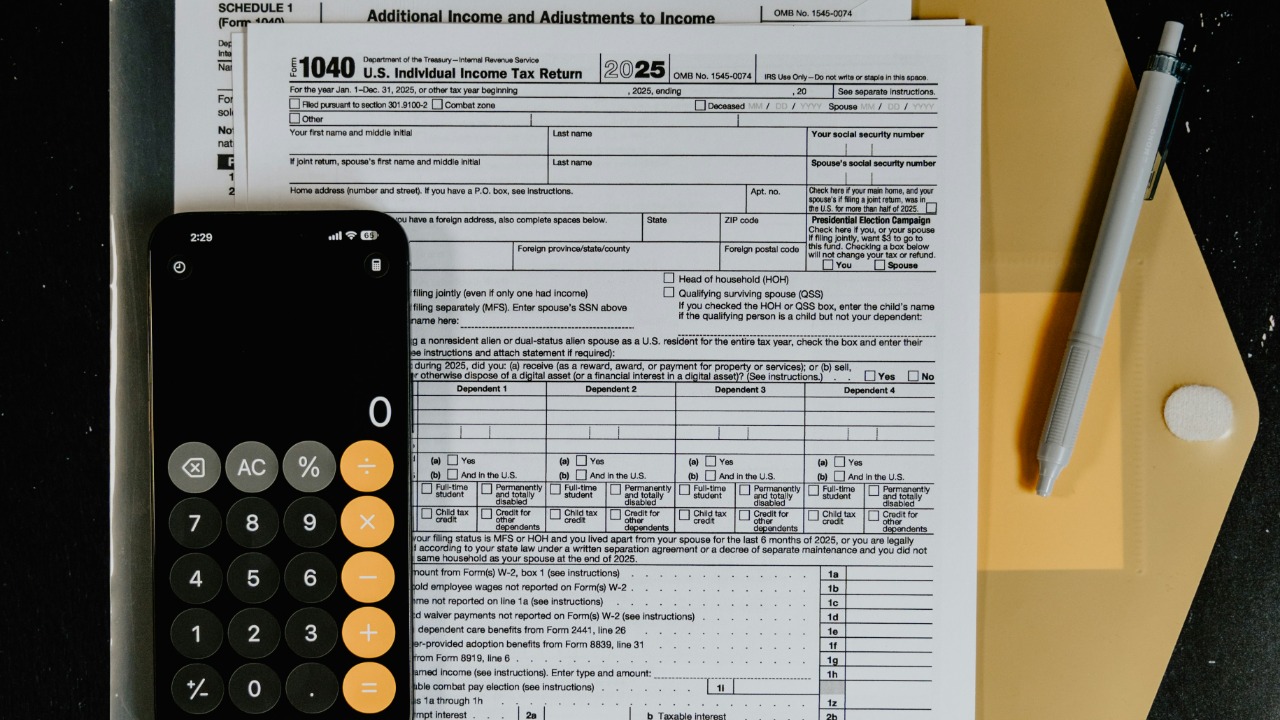
IRS interest on unpaid tax holds steady into the quarter beginning October 1.
The IRS confirmed this week that the interest it charges on unpaid federal taxes, and pays on refunds it’s slow to issue, will not change when the next quarter begins on October 1. For anyone carrying a tax balance into the fall, or still waiting on a refund that’s taking longer than expected, that means…