
Author: Elizabeth Blessing
-

Eight people in one food stamp household share $1,841 next month, about $7.67 a day each.
A single adult drawing SNAP and an eight-person household drawing SNAP are working from the same federal formula, but the formula doesn’t treat them the same per head. Starting October 1, 2026, the U.S. Department of Agriculture’s Food and Nutrition Administration sets the maximum monthly allotment for an eight-person household in the 48 states and…
-

Rent ceilings for housing vouchers reset October 1, and no local ceiling may fall more than 10 percent.
Every fall, thousands of local housing authorities quietly swap in a new number that decides how much rent a housing voucher will cover. This year’s reset lands October 1, when the Department of Housing and Urban Development’s fiscal year 2027 Fair Market Rents take effect nationwide. Most of those numbers are climbing. But in the…
-

The Medicaid notice goes to every expansion adult, including those the rule exempts.
A grandmother in Ohio who has spent the last decade raising her disabled adult grandson will likely find a letter about new Medicaid work requirements in her mailbox this fall, even though the rule specifically excuses caregivers in her position. A woman a few months from her due date will get one too, and so…
-

A five-person food stamp household gets $1,217 next month, and adding a sixth person is worth $246.
A household on SNAP that grows by one person this fall might assume the food-stamp math simply adds the same amount it always adds. It doesn’t. The fiscal year 2027 cost-of-living adjustment, issued by the U.S. Department of Agriculture’s Food and Nutrition Administration on August 21, 2026 and effective for benefits starting October 1, sets…
-

USDA told South Carolina, North Dakota and Ohio to hold off on banning candy and soda from food stamp cards.
Grocery shoppers on food assistance in South Carolina and North Dakota were bracing to lose the ability to buy candy and soda with their benefits within days. Instead, the federal agency that runs the program told both states, plus Ohio, to stand down. The reason traces back to a federal courtroom in Washington, D.C., not…
-

Roughly 15 percent of Medicaid’s expansion population is expected to drop off in the years after the work rule starts.
Buried inside the same Medicaid work requirement taking effect January 1, 2027, is a number that has less to do with whether people are working and more to do with whether they can keep up with the paperwork. The Centers for Medicare & Medicaid Services’ own regulatory analysis, published alongside the rule it issued this…
-

Medicare tightens the rules on plan debit cards for 2027.
Millions of Medicare Advantage enrollees now get a plastic debit card loaded with an allowance for things like groceries, over-the-counter items, or utility bills, part of the supplemental benefits plans use to compete for members. Those cards have also become a magnet for confusion and, according to federal regulators, outright misuse. Starting in 2027, Medicare…
-
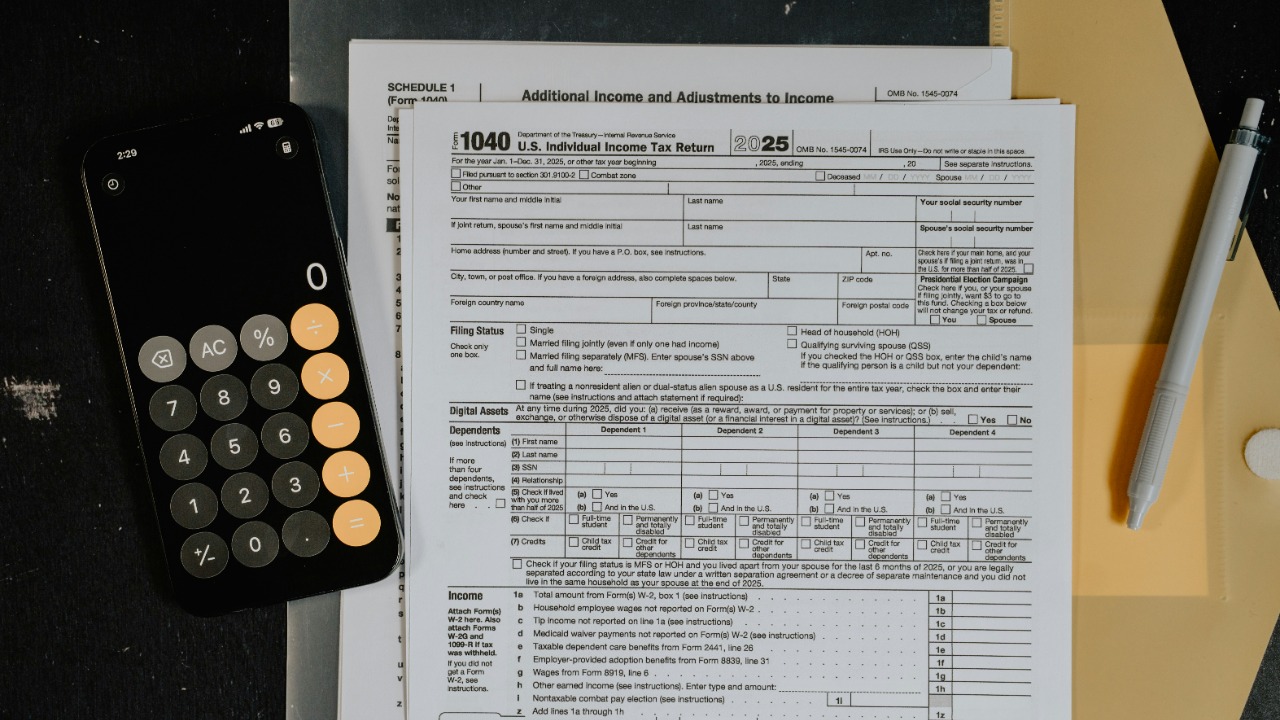
Fewer than one in 200 returns used the free federal filing tool.
Treasury’s own math on the government’s free federal e-filing tool comes down to one blunt fraction: fewer than one in every 200 tax returns filed for tax year 2024 went through Direct File. That single number, buried in a report Treasury sent Congress last October, is the central justification the department gives for suspending the…
-

Home insurance is set to hold flat or fall this year in five states.
Home insurance premiums are on track to rise again nationwide in 2026, but not everywhere. New projections show five states are bucking that trend entirely, with average premiums expected to hold flat or actually fall slightly by the end of the year even as the national average climbs. It is a rare bright spot in…
-

The IRS is telling households to protect tax and financial records now, before a disaster makes them impossible to replace.
With hurricane season still active and wildfire risk elevated across parts of the West, the IRS used the first week of National Preparedness Month to make an unusual pitch: treat your tax paperwork like an emergency supply. The agency’s September 3 reminder, IR-2026-104, walks through what to protect and how, on the theory that a…