
Author: Brian Lund
-
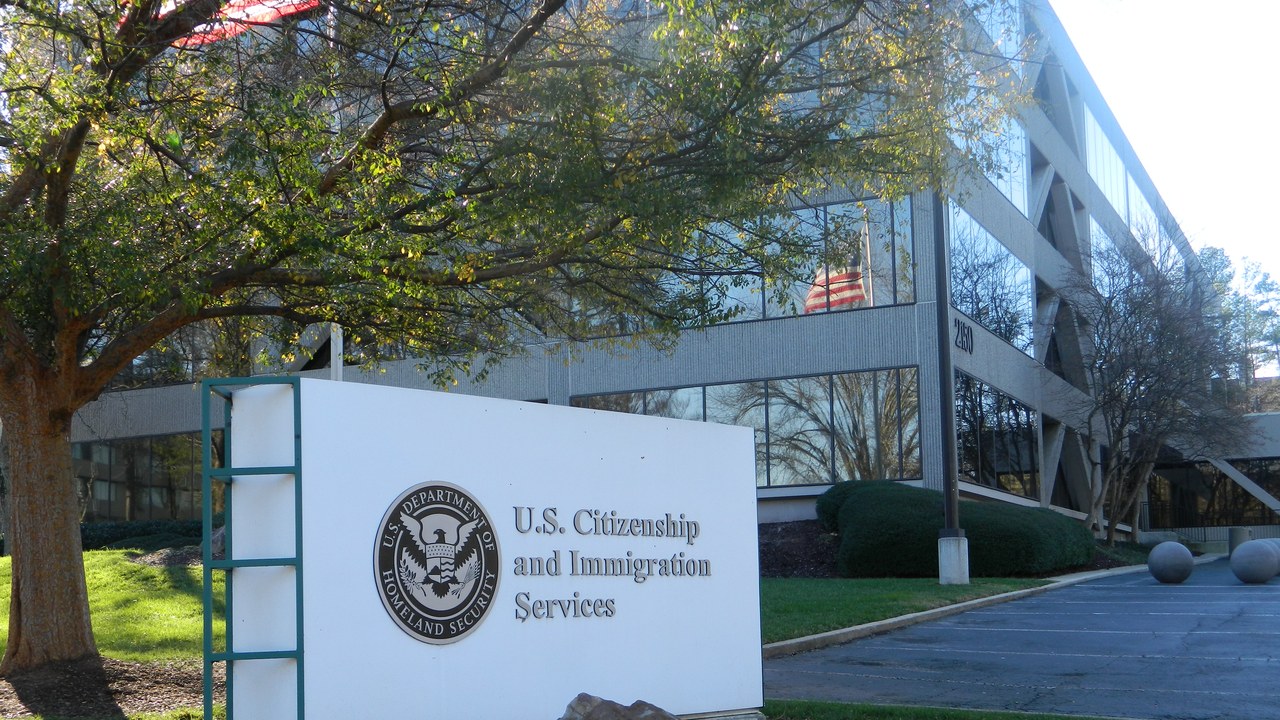
A Trump executive order directs extra scrutiny of visa petitions that could cost American jobs
A presidential order signed September 18 adds a new screening step to the H-1B visa process, directing three federal agencies to weigh a company’s recent layoffs before approving its next visa petition. The move rides alongside a companion proclamation extending a $100,000 fee on most new H-1B hires through September 2027. For a household whose…
-
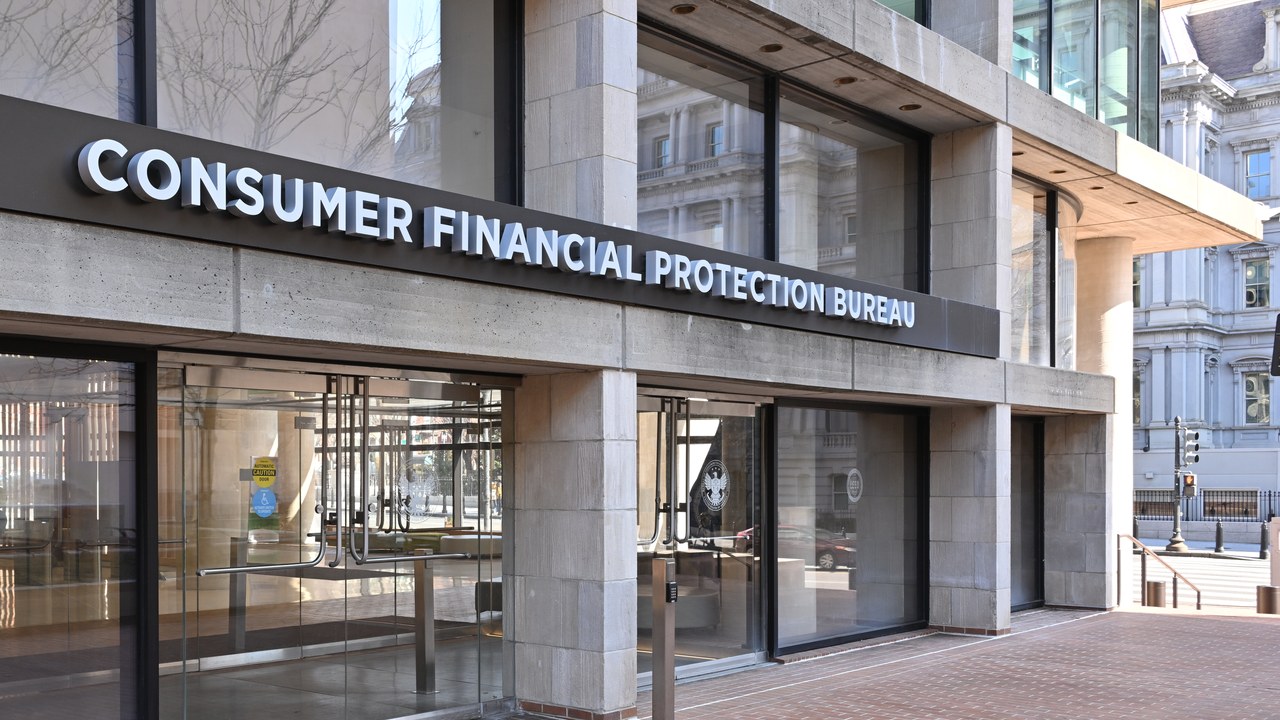
The Consumer Financial Protection Bureau has not filed a single enforcement action in more than a year
For more than a year, the federal agency built to police banks, lenders, and debt collectors has not opened a single new case against one. The Bureau’s own public log of enforcement actions runs 386 entries deep, and the most recent one is dated August 21, 2025. Nothing has been added since. For a household…
-

A new rule bars bank examiners from pressuring a bank to close an account
For years, bank customers who lost a checking or savings account with no warning ran into the same wall: the bank cited “business reasons,” declined to elaborate, and pointed to fine print in the account agreement. Congressional hearings on debanking spent nearly as long examining the other side of that wall — testimony describing federal…
-
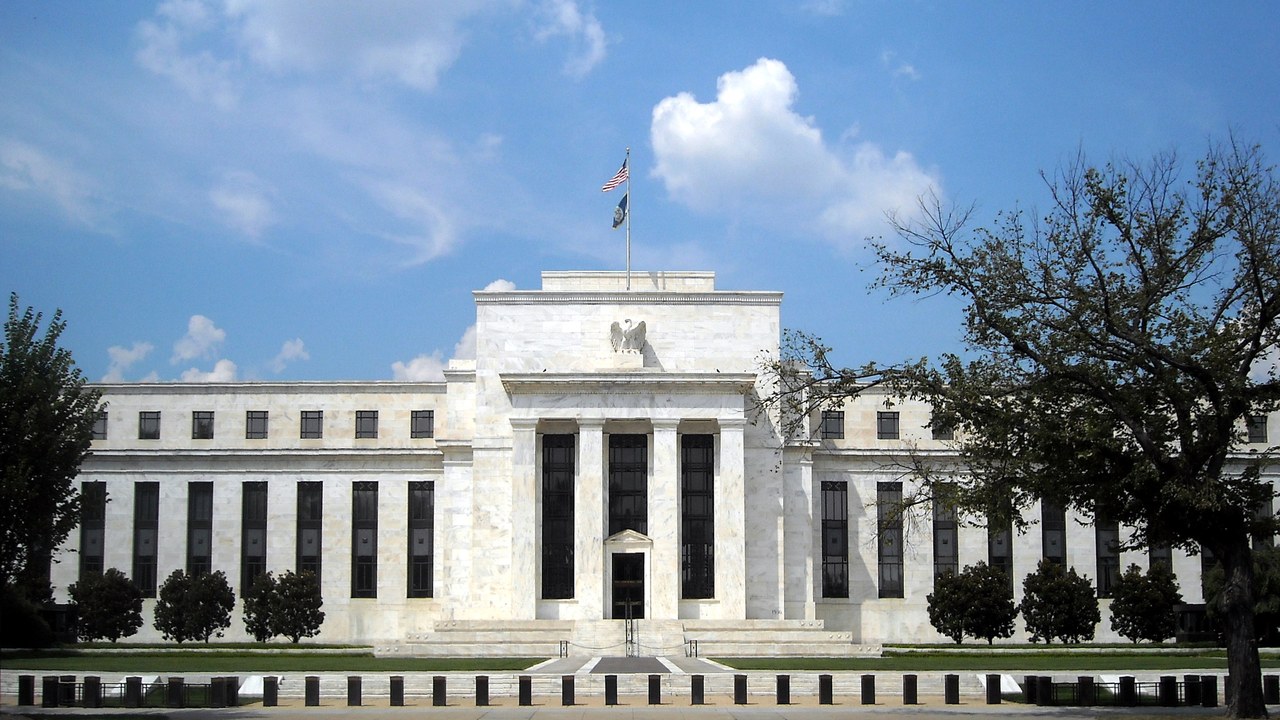
The Federal Reserve raised interest rates for the first time since 2023, and the vote was unanimous
For three years, every move the central bank made on short-term interest rates went in one direction: down, or nowhere at all. That run ended on Wednesday, September 16, 2026, when the Federal Open Market Committee lifted its target range a quarter point and every voting member signed off on it. The change took effect…
-
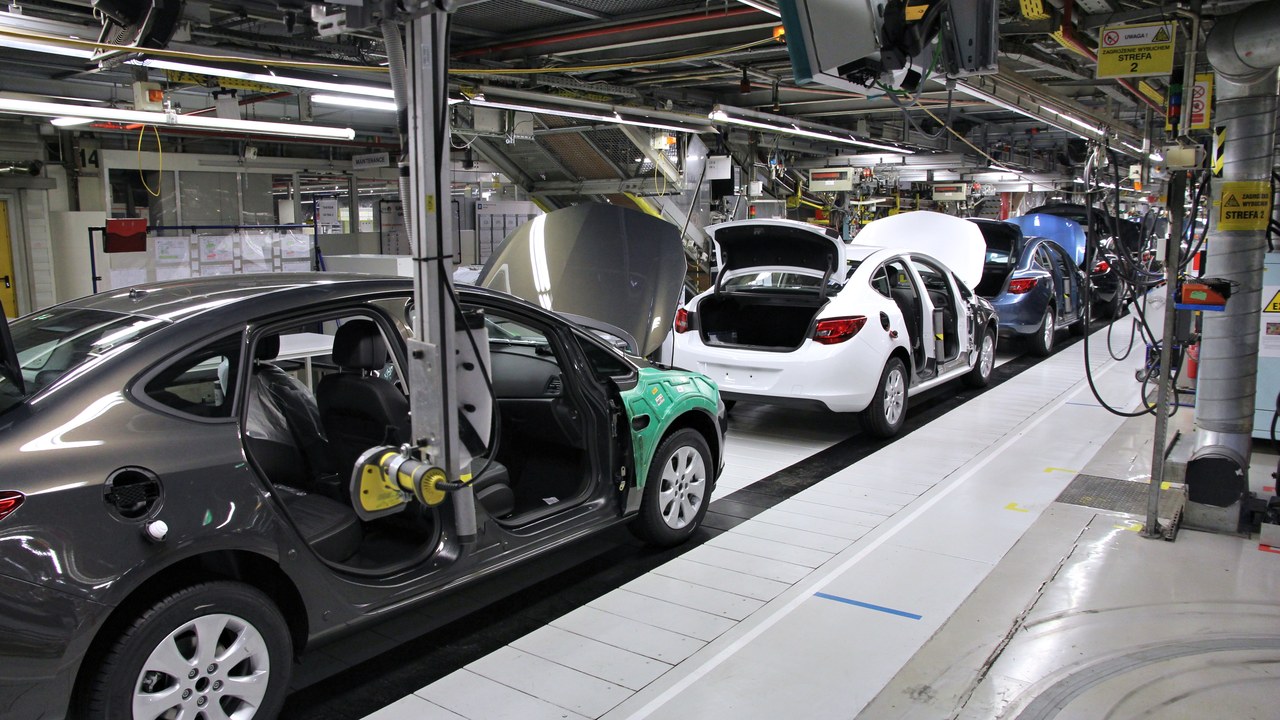
Weekly pay only held up because the average workweek got longer
Real average weekly earnings for the typical American worker rose again in August, at least after inflation. The Bureau of Labor Statistics reported the gain — 0.2 percent for the month, 0.3 percent over the year — on September 11, 2026, in its Real Earnings release covering August 2026 data. That headline reads like proof…
-
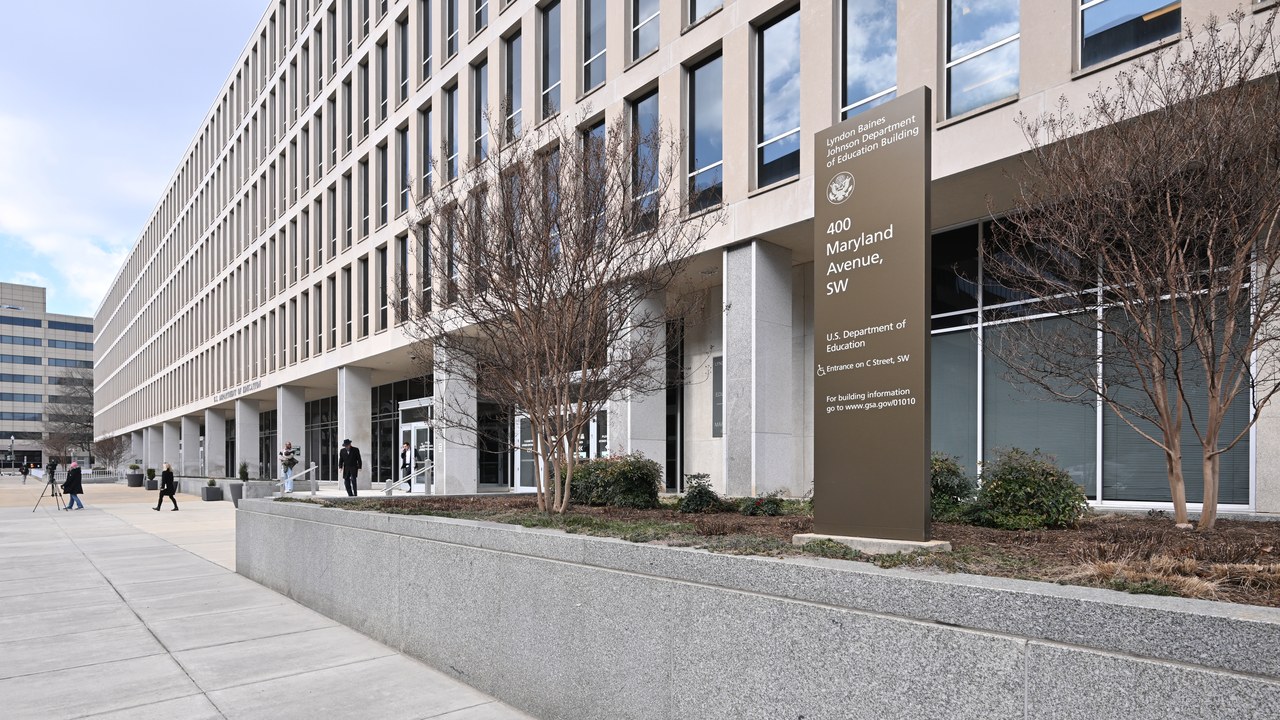
The deadline to cut a federal student loan rate by a full percentage point is September 30, and only 40 percent of borrowers have done it
Federal student loan borrowers who set up automatic payments before September 30, 2026, will lock in a full percentage point off their interest rate through June 2028, the U.S. Department of Education announced. The reduction applies to Direct Loans issued after July 1, 2012, and arrives alongside new income-driven repayment options rolling out the same…
-
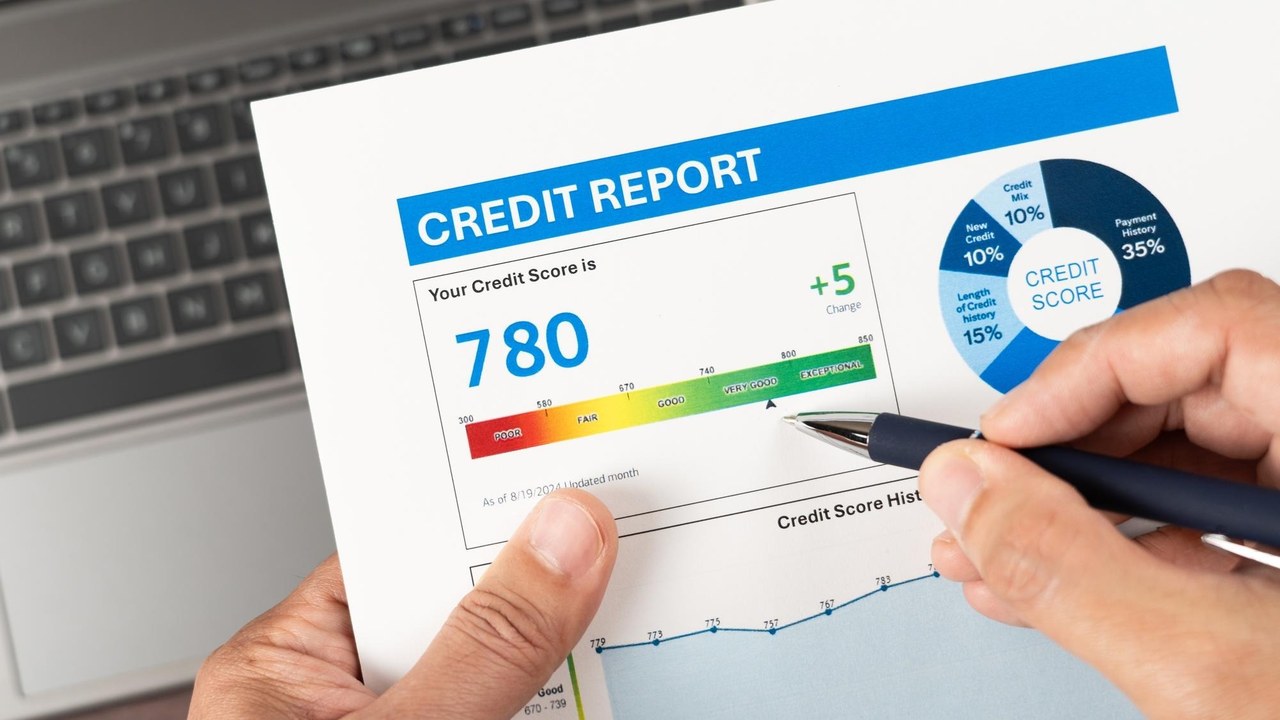
No federal rule keeps medical debt off a credit report anymore
The rule that would have erased medical bills from credit reports nationwide never made it past a federal courtroom in Texas. Judge Sean Jordan vacated the Consumer Financial Protection Bureau’s medical-debt regulation in July 2025, months before its compliance deadlines arrived, ending a rule that had been finalized only in January of that year. Millions…
-

Borrowers taking a federal student loan now have one repayment plan, priced as a share of income
Taking out a federal student loan this fall means signing up for a repayment formula that no longer bends toward multiple menus of options. Anyone whose first loan disburses on or after July 1, 2026 is routed into a single income-based plan, the Repayment Assistance Plan, that sets the monthly bill as a percentage of…
-
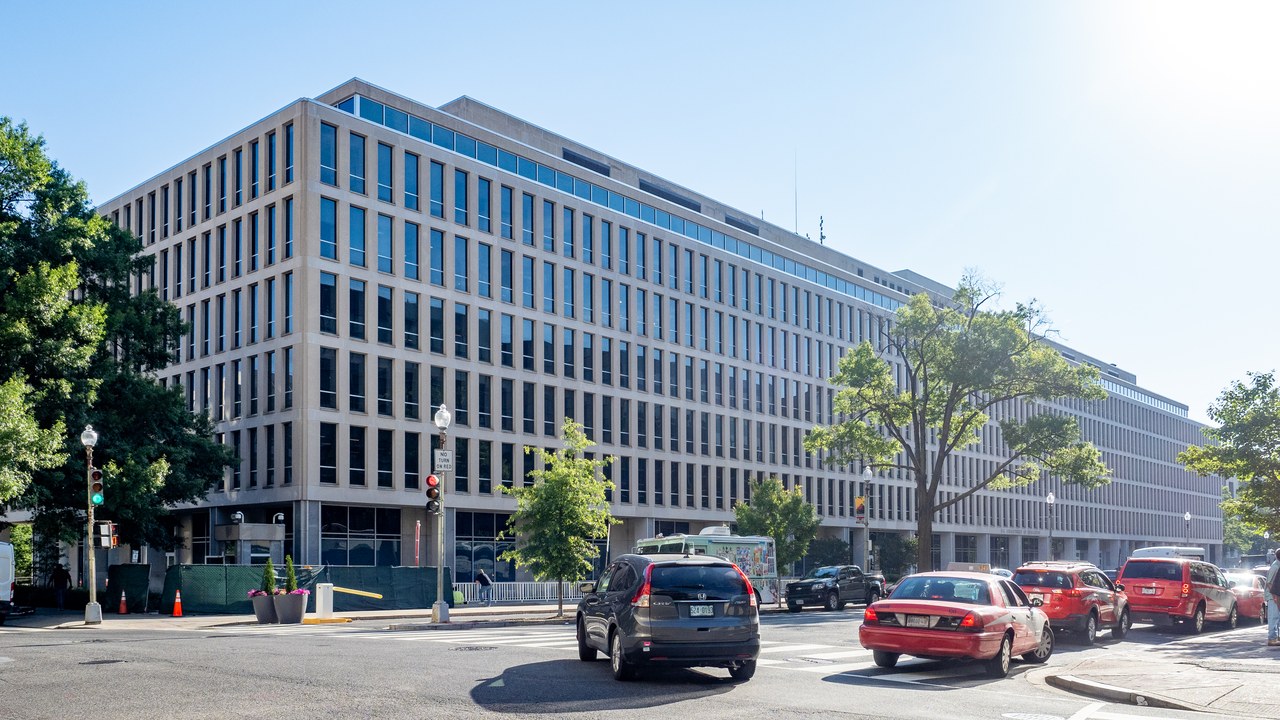
The Education Department still has not restarted seizing refunds over defaulted student loans
Tax refunds that would normally be seized to pay down a defaulted federal student loan are, for now, staying in borrowers’ bank accounts. The freeze on wage garnishment and refund seizures tied to federal student loan defaults has been in place since mid-January 2026, and more than eight months later the Department of Education still…
-

One in four unemployed Americans has now been out of work more than six months
The latest federal jobs data shows the longest-lasting bout of unemployment in years is becoming more common, not less. Nearly 1.9 million Americans have been searching for work for more than six months, long enough to exhaust most state unemployment checks and start eating into retirement savings or credit-card limits. For households living paycheck to…