
Category: Rule Changes
-

Trump signed the Clergy Act, letting ministers who opted out of Social Security apply to the IRS to come back in for tax years beginning after 2028
President Donald Trump signed H.R. 227, known as the Clergy Act, on Tuesday, October 20, 2026. The law gives ministers who once opted out of Social Security a way to apply to the Internal Revenue Service to come back in, with the change starting in a tax year that begins after 2028. It is a…
-

The IRS pushed tax deadlines to February for storm and hurricane victims in Alabama, Florida, Ohio, Wisconsin, West Virginia, New Mexico and Guam
The Internal Revenue Service has pushed back federal tax deadlines to February 2027 for people hit by storms and hurricanes in seven places. They are Alabama, Florida, Ohio, Wisconsin, West Virginia, New Mexico and Guam. The IRS announced the relief on October 14, 2026, and the new dates are February 1, February 4 or February…
-
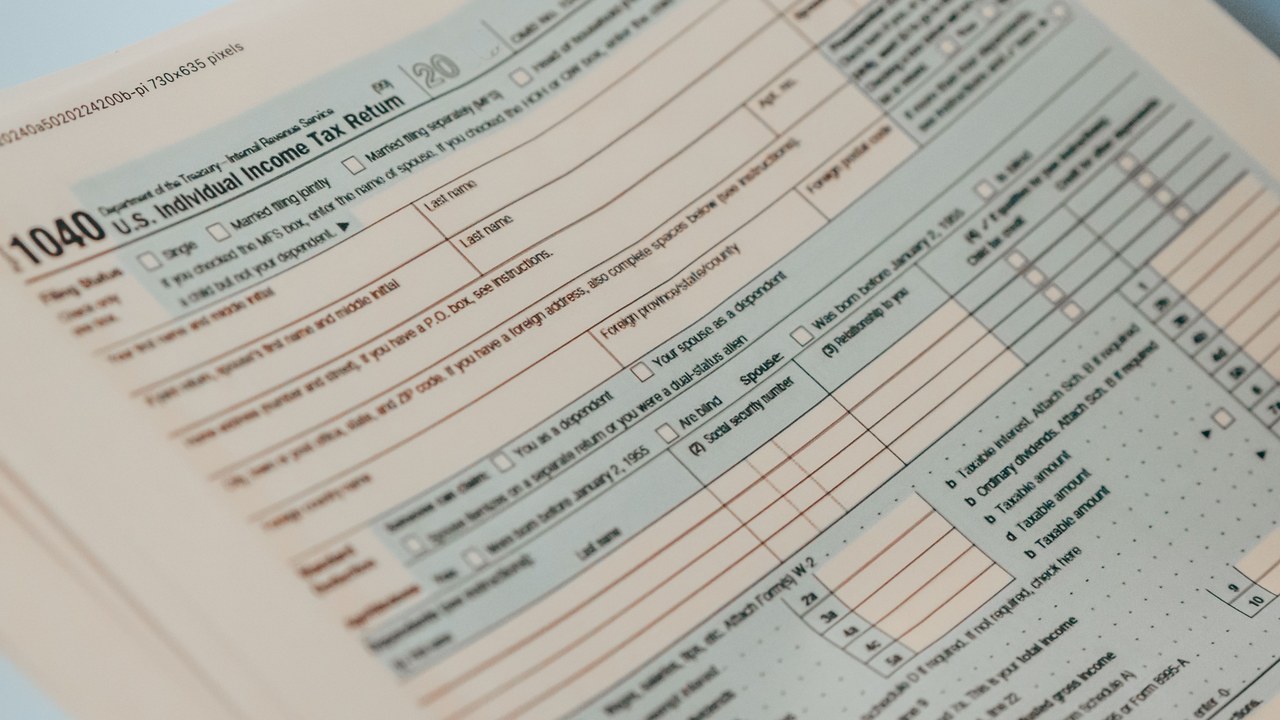
Treasury and the IRS have proposed limiting the health premium tax credit to citizens and certain lawfully present immigrants from 2027
Treasury and the IRS have proposed new rules that would limit the health premium tax credit to U.S. citizens, U.S. nationals and certain lawfully present immigrants, starting in 2027. The IRS announced the proposal on October 14, 2026, in news release IR-2026-121. The rules are proposed, not final. Nobody gains or loses a credit because…
-

Trump’s diesel order also directs Treasury to look for ways to wipe out any deferred tax altogether, including through legislation
President Trump’s October 5, 2026 executive order on diesel fuel does more than offer a deferral. It also tells the Treasury Department to explore ways to cancel any deferred diesel excise tax altogether, and it names legislation as one of the routes. Nothing has been canceled so far, and the order only asks Treasury to…
-

HUD said on October 16 that Opportunity Zones are now permanent and credits them with more than $100 billion of private investment in the areas they cover
The Department of Housing and Urban Development is telling the public that Opportunity Zones, a federal tax program aimed at struggling neighborhoods, no longer have an expiration date. The department also puts a large number on what the program has done so far. In a release from Grand Rapids, Michigan, HUD said on October 16,…
-

The IRS will not penalize dyed diesel sold for highway use through December 31 under an executive order signed October 5
The Internal Revenue Service says it will not charge a penalty when dyed diesel fuel is sold for highway use, or used on the highway, from October 1 through December 31, 2026. The announcement on October 14 follows an executive order President Donald Trump signed on October 5. It is relief for fuel sellers and…
-

Taxpayers in the Oglala Sioux Tribe area hit by the June storms have until February 1, 2027 to file various federal returns and make tax payments, the IRS says
The IRS has pushed a long list of federal tax deadlines to February 1, 2027 for people and businesses in the Oglala Sioux Tribe area who were hit by the storms that began June 2, 2026. The relief covers many returns and payments, but not all of them, and it does not cover taxes that…
-

The IRS can take credit and debit card tax payments directly starting October 19, but the card processing fee falls on the payer and is not refundable as tax
Starting October 19, the IRS can accept credit and debit card tax payments directly. Any processing cost the agency pays to take a card will be billed back to the person paying, and that charge is not a tax, so it cannot be refunded or credited later. For households that put a tax bill on…
-

Louisiana voters decide Nov. 3 on an amendment letting parishes or cities, with local voter approval, add a senior homestead exemption reaching $30,000 of assessed value at 81
Louisiana voters will decide on Nov. 3 whether to let parishes and municipalities give older homeowners a bigger property tax break. The proposed constitutional amendment would add a senior homestead exemption that grows with age and reaches $30,000 of assessed value for homeowners 81 and older. Passing it at the statewide ballot box is only…
-
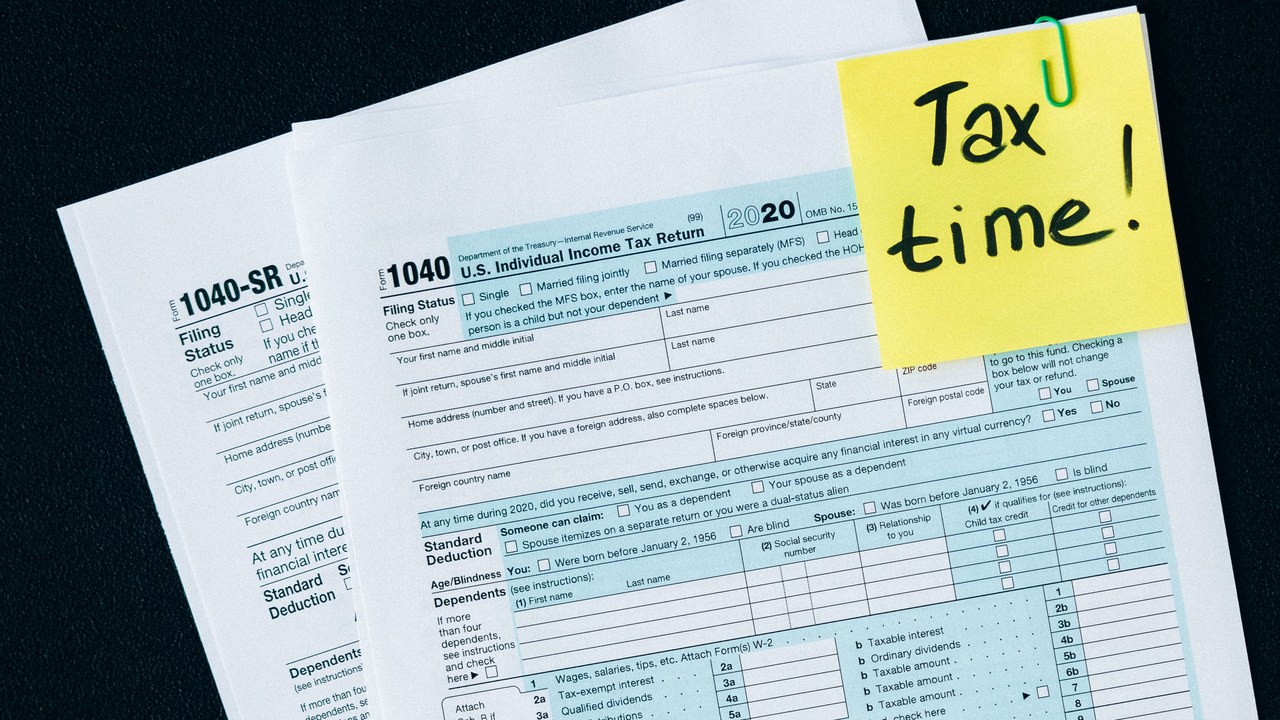
The IRS lets a widow or widower who has not remarried file jointly for the year of the spouse’s death, with special filing benefits possible for two more years
For the year a spouse dies, a surviving widow or widower who has not remarried can still file a joint tax return with the late spouse. The IRS treats the survivor as married for that whole year. For the two years after, special filing benefits are possible too, but only for a survivor raising a…