
The IRS has pushed a long list of federal tax deadlines to February 1, 2027 for people and businesses in the Oglala Sioux Tribe area who were hit by the storms that began June 2, 2026. The relief covers many returns and payments, but not all of them, and it does not cover taxes that were already due last spring.
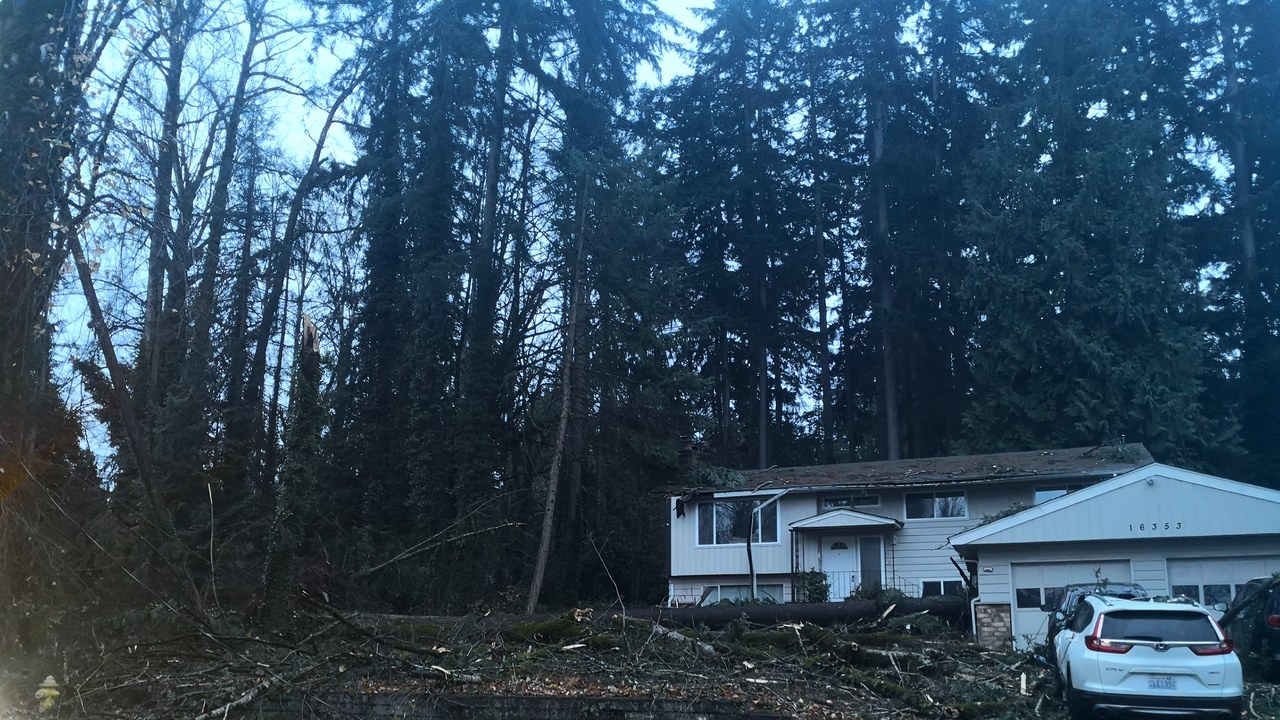
The agency announced the postponement in release SD-2026-02 on September 10, 2026. Severe storms, straight-line winds and flooding in the area led to a federal disaster declaration, numbered 4941-DR.
Which returns and payments moved to February 1
The IRS says affected taxpayers now have until February 1, 2027 to file various federal individual and business returns and make tax payments. The list reaches individual, corporate, estate and trust income tax returns, and most returns with an original or extended due date before that day.
Estimated tax payments that were originally due on or after June 2, 2026 are covered, and the IRS notice says no failure-to-pay estimated tax penalty applies if they are paid by February 1, 2027. Quarterly payroll and certain excise returns normally due July 31 and November 2, 2026 are also postponed.
People with a valid extension to file their 2025 individual return get until February 1, 2027 to submit it. The payment for that return is a different matter. Taxes for 2025 were due April 15, 2026, and the IRS says those payments are not eligible for this relief.
For households and small businesses in the area, the useful way to sort the mail is into returns, payments and deposits. Returns due before February 1, 2027 and estimated payments due since June 2 moved. The balance due on a 2025 return, which was due April 15, 2026, did not.
Retirement deadlines, in your inbox: Miss an enrollment or claim deadline and the money can be gone. Join the Retirement Money Brief and we’ll send you our IRS Refund Delay Tracker as a welcome gift.
Get the Brief + the refund tracker →
We may earn a commission from links on this page.
Who is covered, and whether anything has to be filed
The IRS says the relief goes to individuals who live in the covered area and to businesses, including tax-exempt organizations, whose principal place of business is there. It also reaches people who live elsewhere but keep the records needed to meet a deadline inside the area, and relief workers who were affected.
Nothing has to be filed to get the postponement. The IRS says it automatically identifies taxpayers with addresses in the covered area and applies the relief. Someone outside the area whose records are inside it should call IRS Special Services at 866-562-5227. Valley News Live reported the same deadline and the same phone number in its coverage on September 14.
Payroll and excise deposits are handled separately. Deposits due from June 2 through June 17, 2026 were not postponed, but the IRS says penalties are abated if the deposits were made by June 17, 2026. Information returns in the W-2 and 1099 series are not covered either.
Penalty notices, payment plans and storm losses
A late-filing or late-payment penalty notice can still arrive for a date inside the postponed period. The IRS says anyone who gets one should call the number on the notice and ask for the penalty to be removed. Its page on penalty relief for reasonable cause lists fires and natural disasters among the accepted reasons for late filing or payment.
Taxpayers on an installment agreement will not be put in default for a missed payment during the postponement, although interest and late-payment penalties keep accruing. Direct debits can be stopped by contacting the IRS or the bank.
Storm damage can also be claimed on a tax return. The release says an affected taxpayer may deduct uninsured personal property losses on the return for the disaster year or the year before, and the election can be made up to six months after the due date for the disaster year. The FEMA number 4941-DR should be written on any return that claims the loss, and in bold at the top of Form 4506 or 4506-T when asking for copies of old returns, which the IRS waives the fee for.
The same release lists other relief. Qualified disaster relief payments are generally excluded from gross income. A special disaster distribution from a retirement plan may avoid the additional 10 percent early-withdrawal tax and can be spread into income over three years using Form 8915-F, and hardship withdrawals may be available depending on each plan’s rules.
Where to find the full list of disaster deadlines
The IRS keeps a running index of every disaster postponement on its tax relief in disaster situations page. The Oglala Sioux Tribe entry sits alongside others with a February 1, 2027 deadline, including Hawaii County, Indiana, Washington, Nebraska, the Northern Mariana Islands, West Virginia and Mississippi, so a household or business with a second location elsewhere should check the page for it too.
Disaster recovery help, separate from taxes, is listed at disasterassistance.gov. Free tax help is available through IRS volunteer sites at 800-906-9887 and AARP Tax-Aide at 888-227-7669, though the IRS notes that volunteer sites usually cannot help with disaster losses.
Mail from the IRS arriving before February 1?
Relief that applies automatically still leaves a household reading the mail. A penalty notice dated inside the postponement, a balance letter on a 2025 payment that was never covered, or a refund that sits unexplained can all land in the same stack.
The story’s question is which deadlines moved. The related job is knowing what each IRS letter means once it shows up, and The IRS Refund Recovery Kit does that with a notice decoder and a refund status tracker spreadsheet. Part 4, “Why It Stalled: The Notice Decoder,” explains what the common letters are asking for.
Get the notice decoder and refund tracker for IRS mail during the postponement →
More Financial Reading
- 21 Ways to Stretch a $2,087 Social Security Check
- 15 Places to Find Your Share of the $4.25 Billion States Give Back
- The New $6,000 Senior Deduction and 14 More Tax Moves for Retirees
This article was produced with AI assistance and edited for accuracy against the sources linked above.


