
Category: Taxes Made Simple
-

A presidentially declared disaster can add up to a year to the three-year deadline for claiming a federal refund
A federal disaster declaration can buy extra time on a refund that would otherwise be lost. The Internal Revenue Service says taxpayers affected by a presidentially declared disaster “may have up to 1 more year” to claim a credit or refund, on top of the standard three-year deadline. The language comes from the agency’s page…
-

Farm and ranch households in qualifying drought counties of 49 states got more time to replace breeding, dairy and draft livestock and defer the gain
Farmers and ranchers who sold livestock because of drought now have four years, not the usual two, to replace the animals and put off paying tax on the gain. The Internal Revenue Service announced the extended relief on September 15, 2026, in release IR-2026-110, covering qualifying areas in 49 states, the District of Columbia, Puerto…
-

Treasury published temporary rules, effective December 1, for a scholarship donation credit on contributions made in 2027 and later
The Treasury Department and the Internal Revenue Service have issued temporary regulations for a new federal tax credit for donations to scholarship groups, and the rules take effect December 1. The credit itself is for contributions made in 2027 and later tax years. The regulations, TD 10057, were published October 2 in the Federal Register…
-

A taxpayer whose refund check never arrived can start a trace by phone, but a jointly filed return has Form 3911 as an alternative to calling
A federal tax refund check that never showed up can be traced, and the IRS sets out different first steps depending on how the return was filed. People who filed as single, married filing separately or head of household start with an automated phone line. People who filed jointly have a different number to call,…
-

The IRS now drops failure-to-file and failure-to-pay penalties after three clean years
Under a program the IRS scheduled to begin in summer 2026, failure-to-file, failure-to-pay and failure-to-deposit penalties are waived automatically for taxpayers with three prior years of timely compliance. The agency’s fact sheet FS-2026-12 calls the program Automatic Exemption from Penalty, or AEP, and says no application, form or separate request is needed. It replaces First…
-

Washington’s wildfire tax relief runs to February 1 across six counties and three tribal nations, with Douglas County covered by a separate IRS notice
Taxpayers hit by the summer’s Washington wildfires have until February 1, 2027 to file a long list of federal returns and make many payments that would otherwise fall due sooner. The postponement covers six counties and three tribal nations named by the IRS, while a neighboring county, Douglas, is handled by a different notice with…
-
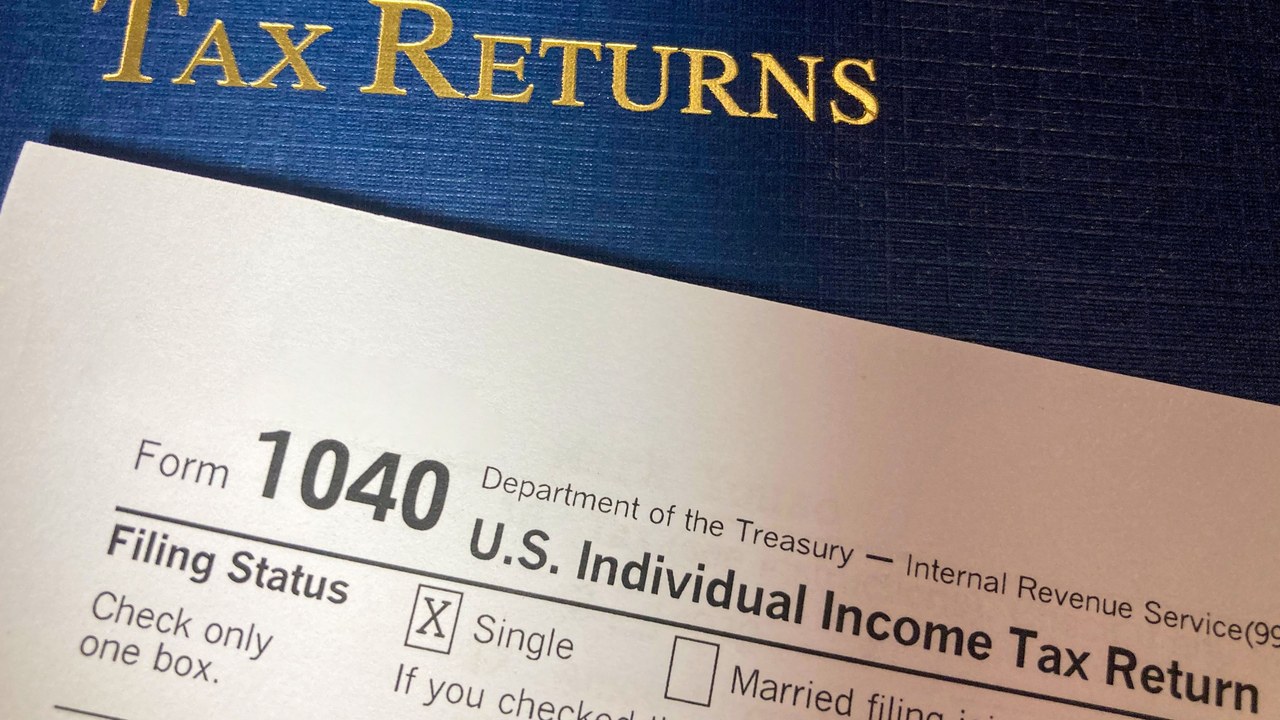
The 2025 tax law gives people 65 and older a $6,000 deduction through 2028, and a married couple must file jointly to take it
A new federal tax break for older Americans comes with a filing-status rule that can shut out married couples. The 2025 tax law lets people age 65 and older take an extra $6,000 deduction for tax years 2025 through 2028, but a married taxpayer has to file a joint return to claim it. Couples who…
-
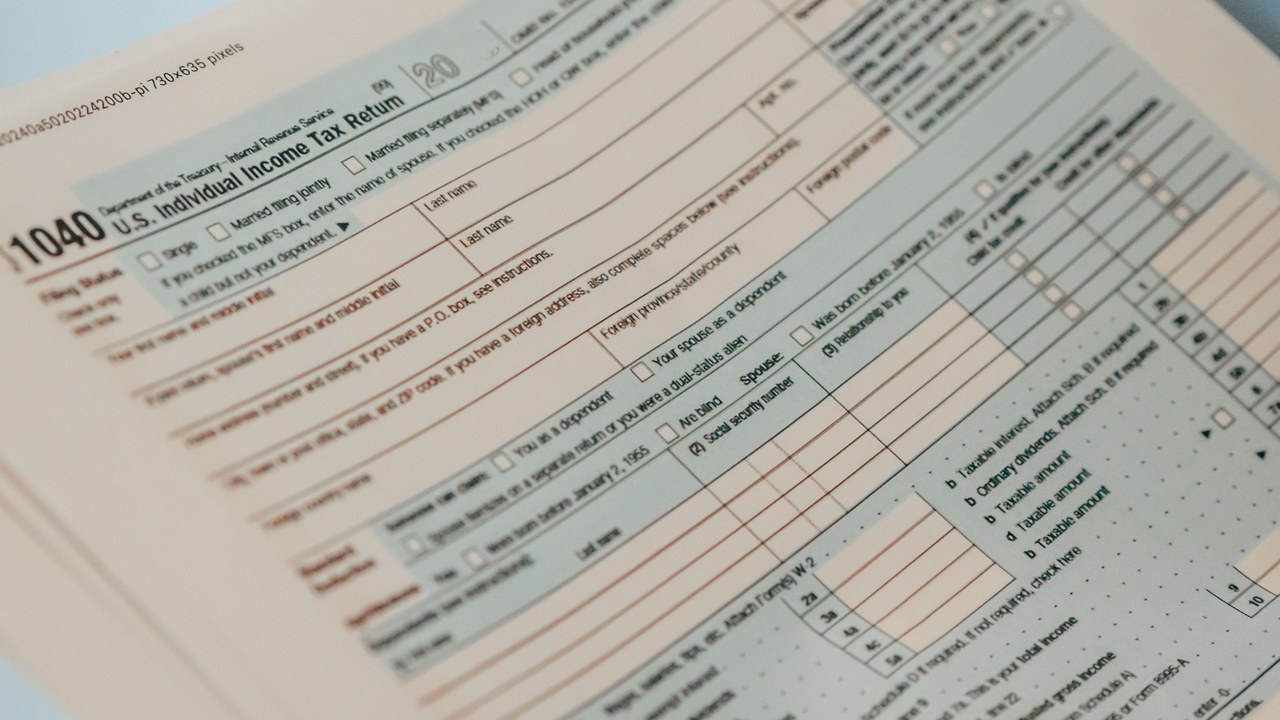
The IRS says it cannot pay a refund claimed more than three years after the return was filed, or two years after the tax was paid, whichever is later
The Internal Revenue Service gives taxpayers a fixed window to ask for money back on an old return, and once the window shuts, the money stays with the Treasury. The IRS’s page on the time limit for claiming a credit or refund says the deadline is generally the later of two dates: three years from…
-

New Jersey’s one application for three senior programs is due November 2
New Jersey’s property-tax relief application is due November 2, 2026, and one form, the PAS-1, covers three programs: Senior Freeze, ANCHOR and Stay NJ. The state Division of Taxation says on its property tax relief page that “the deadline to apply for the 2025 application is November 2, 2026.” For seniors the single application is…
-

An estate tax closing letter costs less if the IRS receives the request by October 26
The IRS fee for an estate tax closing letter goes from $56 to $76 for requests the agency receives after October 26, 2026. That makes a request that arrives by October 26 $20 cheaper. The higher fee is set in a Treasury decision, TD 10055, published September 25 in the Federal Register at 91 FR…