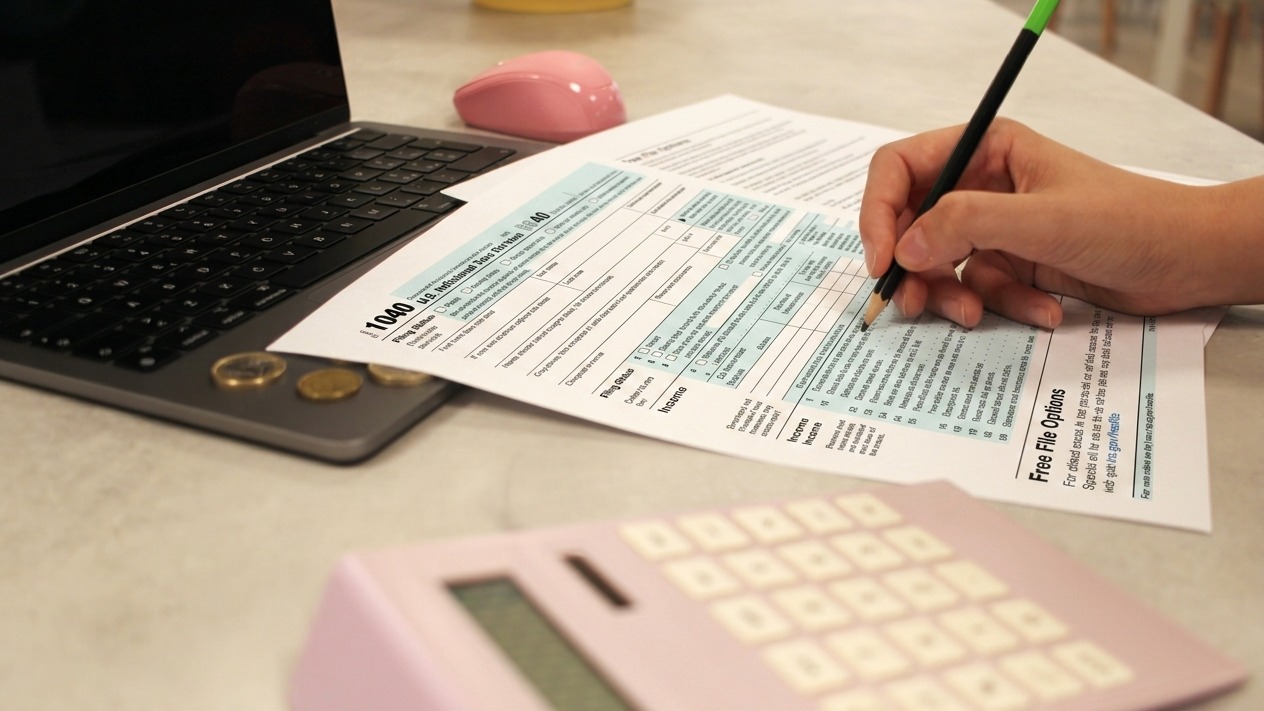
Millions of families pay a preparer $150 to $300 or more to file a return they could have filed for nothing. The IRS backs several free options, both online software and in-person help from trained volunteers, aimed squarely at working households, retirees, and anyone with a straightforward return. Knowing which door to walk through is the whole game, because the programs are free but not always well advertised.
Free File for do-it-yourself filers
The first option is Free File, a partnership between the IRS and tax-software companies. It lets many lower- and middle-income taxpayers prepare and electronically file a federal return at no cost using partner software, with the program guiding them through the forms. Eligibility is tied to an income threshold that shifts from year to year, so the practical step is to check the current cutoff rather than assume last year’s figure. The IRS hosts the program and its list of participating software on its Free File page. For households that fall under the threshold, this replaces a paid product entirely.
Free retirement updates: Keep more of your Social Security and savings with plain-English updates on the changes, deadlines, and costly mistakes retirees miss. Subscribe free.
Free File Fillable Forms for higher incomes
Taxpayers whose income sits above the Free File software threshold are not shut out. They can use Free File Fillable Forms, the electronic version of the paper IRS forms. This option does less hand-holding, essentially providing digital forms a filer completes and submits, but it is still free and available to any income level. It suits someone comfortable preparing their own return who simply wants a no-cost way to file electronically rather than paying for software they do not need.
The trade-off between the two online options comes down to guidance. The partner software behind Free File asks questions, does the arithmetic, and flags common entries, which suits a filer who wants to be walked through the return. Free File Fillable Forms assumes the taxpayer already knows which forms and lines apply and simply wants a free electronic route to submit them. Both avoid the cost of a commercial product, so the choice is less about money than about how much help a person wants along the way. A filer whose income sits just over the software threshold in one year and under it the next may move between the two, which is another reason to check the current cutoff each season.
VITA and TCE bring a real person to the table
For those who would rather sit with someone, two programs offer free, in-person preparation by IRS-certified volunteers. Volunteer Income Tax Assistance, or VITA, serves people who generally make under a set income, people with disabilities, and taxpayers with limited English. Tax Counseling for the Elderly, or TCE, focuses on people 60 and older and specializes in the retirement and pension questions that often trip up older filers. Both are staffed by trained, certified volunteers rather than paid preparers, and both are free. The IRS describes who qualifies and what to bring on its free tax preparation page.
Who each in-person program is built for
The two volunteer programs overlap but aim at different groups. VITA is geared toward people who generally earn under a set income, taxpayers with disabilities, and those who speak limited English, offering a certified volunteer to prepare a straightforward return at no cost. TCE narrows its focus to people 60 and older and leans into the questions that come with retirement, such as how pensions, Social Security, and required withdrawals show up on a return. For an older filer whose taxes have grown more complicated in retirement, a TCE volunteer trained on exactly those issues can be more useful than a generic paid preparer, and the service still costs nothing.
Finding a nearby site
VITA and TCE operate out of community centers, libraries, schools, and similar locations, and their availability is local. The IRS runs a VITA/TCE locator that helps taxpayers find a nearby site, which is the starting point for booking free in-person help. Because sites and hours vary by area and season, checking the locator ahead of filing time is the way to secure a spot, particularly for TCE sites that concentrate on retirees during the filing season.
The money a household keeps
The reason all of this is worth the effort comes down to the fee a family avoids. Many households pay $150 to $300 or more to have a simple return prepared, the kind of return that often qualifies for Free File or free volunteer help. For a retiree on a fixed income or a working family stretching every dollar, that is a recurring annual cost that the IRS-backed programs are designed to erase. Paid once a year, a $200 preparation fee is money that could instead cover a utility bill or a week of groceries, and for a simple return the free options deliver the same filed federal return. Matching the right option, Free File software under the income threshold, Free File Fillable Forms above it, or in-person VITA and TCE help, to a household’s situation is how that saving becomes real, and the IRS Free File and volunteer-preparation pages are where the current details and eligibility live.
This article was produced with AI assistance and reviewed by a human editor. Figures are linked to their primary sources; where a claim could not be verified from the public record, we say so.
More Financial Reading