
Category: Taxes Made Simple
-

The dependent care FSA limit rises from $5,000 to $7,500 in 2026
Sometime this fall, a benefits portal will ask working families a deceptively small question: how much of next year’s pay should be set aside, before taxes, for the care that makes working possible? For years the ceiling on that answer barely moved; for 2026, it jumped by half. The account is the dependent care flexible…
-

63 storm-hit counties now have until November 2, and some victims can tap retirement savings penalty-free
Sixty-three counties across three states are running on a different federal tax calendar than the rest of the country this year. After severe storms, tornadoes, and flooding swept through parts of Michigan, Wisconsin, and Mississippi this spring, the IRS announced on July 13 that a long list of federal filing and payment deadlines in those…
-
About four million tax filers got IRS notices over missing or incorrect direct-deposit details
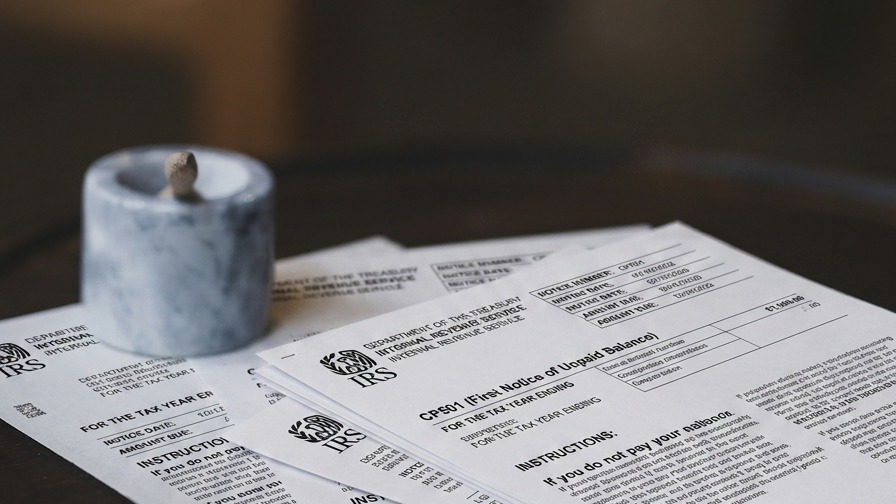
A change meant to move federal refunds away from paper checks created a new layer of tax-season friction. By April 27, the IRS had sent about four million notices for returns with missing or incorrect direct-deposit information, according to the National Taxpayer Advocate’s 2026 mid-year report. Some filers then faced confusing online waiver steps and…
-

Timely IRS payment plans can keep tax debt above $66,000 from passport certification
A large federal tax balance does not automatically trigger passport trouble. For 2026, the IRS threshold for seriously delinquent tax debt is more than $66,000, and debt being paid on time through an approved installment agreement is excluded from certification to the State Department. The protection depends on a real approved arrangement that remains current,…
-

Money deposited after an IRS bank levy usually escapes the 21-day freeze
An IRS levy arriving at a bank creates a snapshot of the account at a specific date and time. The bank freezes money present when it receives the levy and waits 21 days before sending covered funds to the government, while deposits added afterward are normally outside that levy. The word “normally” matters: a later…
-

After-school care may earn a tax credit even when private kindergarten tuition does not
A single school bill can contain two tax treatments. Charges for before- or after-school supervision may qualify for the child and dependent care credit when the care lets a parent work or look for work, while private kindergarten tuition is treated as education and does not qualify. Separating the invoice can preserve an eligible care…
-

The 2026 standard deduction is $16,100 for singles and $32,200 for joint filers
The basic federal standard deduction for tax year 2026 is $16,100 for a single filer and $32,200 for a married couple filing jointly. Heads of household receive $24,150, while married people filing separately use $16,100. These amounts reduce taxable income; they are not dollar-for-dollar tax savings and do not guarantee a refund. The filing status…
-

Federal tax credits for new windows, furnaces and solar panels ended after 2025
A homeowner buying replacement windows, a furnace or rooftop solar in 2026 cannot build the old federal household energy credits into the budget. The IRS now shows the Energy Efficient Home Improvement Credit and Residential Clean Energy Credit ending with property installed through 2025. State incentives, utility rebates and manufacturer discounts may still exist, but…
-

Older Utah renters can claim up to $1,412 by December 31
Rent does not appear on a property-tax bill, but part of it supports the property costs built into a landlord’s price. Utah’s renter credit recognizes that burden for a narrow group of older or surviving-spouse households, with a benefit of as much as $1,412. The 2025 credit remains claimable through December 31, giving eligible residents…
-

Utah homeowners can seek up to $1,412 in property-tax relief by September 1
A September deadline can determine whether an eligible Utah homeowner gets meaningful relief from the year’s property-tax bill. The state’s current homeowner circuit-breaker rules allow an abatement of as much as $1,412, with an additional credit tied to the tax on 20% of the home’s fair-market value. The application goes to the county, and the…
