
Category: Taxes Made Simple
-

A taxpayer who does not itemize can deduct up to $1,000 of cash gifts to charity this year
A cash gift made to charity before December 31 can lower taxable income even for a taxpayer who takes the standard deduction, a break that begins with the 2026 tax year. The IRS says a taxpayer who does not itemize may deduct up to $1,000 of cash contributions to certain qualified organizations, or up to…
-
The business mileage rate rose to 76 cents in July from 72.5 cents
A business mile driven on June 30, 2026 and a business mile driven on July 1 are worth different amounts on a federal tax return. The IRS raised the standard mileage rate for business use to 76 cents a mile effective July 1, up from the 72.5 cents it had set for the whole year…
-

A taxpayer’s new school donation credit shrinks by any state credit claimed on the same gift
The Treasury Department and the IRS announced on October 1, 2026 the first rules for a new federal credit on gifts to scholarship granting organizations, which Treasury calls the Education Freedom Tax Credit. The credit is first available for 2027, and its amount shrinks by any state credit the same donor claims on the same…
-

The IRS generally stopped mailing paper refund checks to individuals and has sent 4.2 million notices holding a refund
More than 4.2 million CP53E notices had gone out by May 2026, each one telling an individual taxpayer that the IRS lacked bank details for a refund. The letters follow the end of routine paper refund checks for individuals after September 30, 2025. The count appears in a September 2026 report from the Treasury Inspector…
-

The IRS paid $61.5 million in interest last year on refunds it held from identity theft victims
The Treasury Inspector General for Tax Administration reported on September 21, 2026 that the IRS paid approximately $61.5 million in interest on delayed refunds in identity theft cases it closed during fiscal year 2025. From fiscal year 2023 through 2025, taxpayers in those cases waited 20 months on average for the IRS to process them.…
-
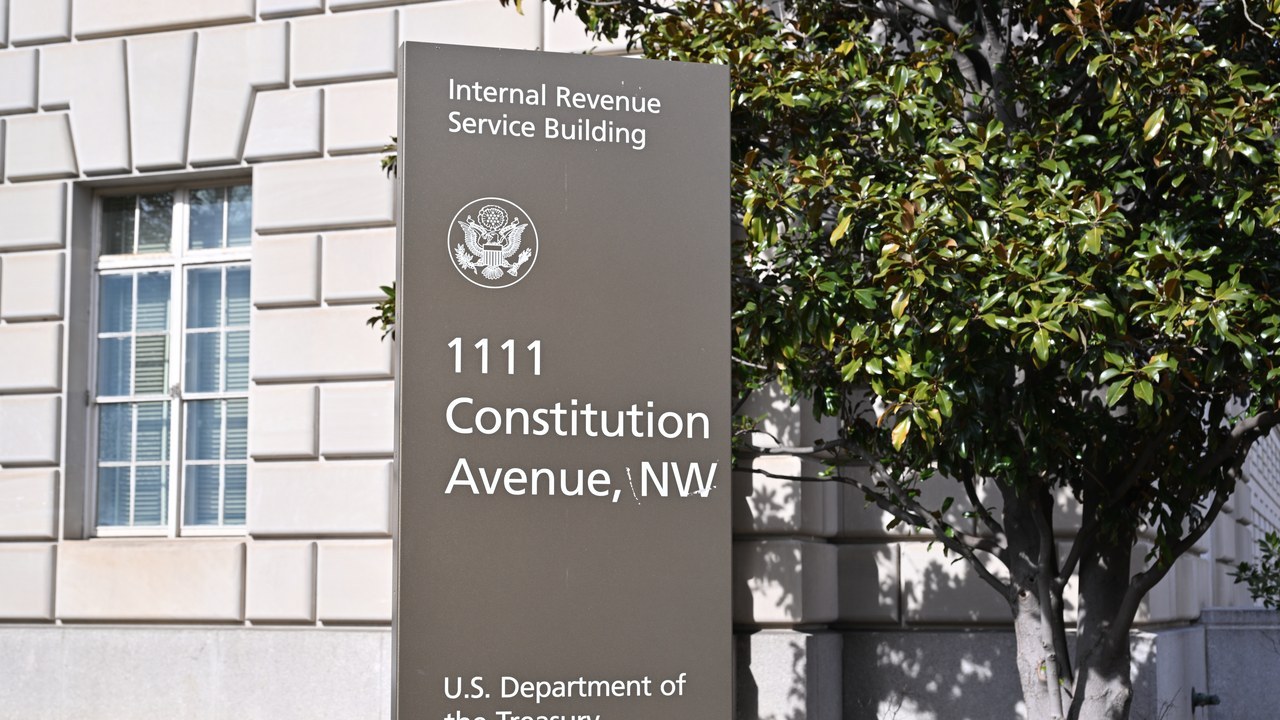
The IRS has published no 2027 tax brackets or standard deduction figures at all
The standard deduction for tax year 2027 and the income thresholds for each tax bracket had not been published by the IRS as of October 3, 2026. Last year the package that carries them came out on October 9, 2025, six days later on the calendar than today. The IRS has not said when the…
-

Eighteen disaster declarations override the October 15 filing deadline
October 15 is the day a six-month filing extension runs out, and for taxpayers inside eighteen IRS disaster declarations it is not the day that applies. The IRS list shows thirteen declarations that push deadlines to February 1, 2027 and five that push them to November 2, 2026, and every one of those dates falls…
-

Filing late costs 5 percent of unpaid tax each month and tops out at 25 percent
Thursday, October 15, 2026, is the extended deadline for 2025 federal income tax returns, and a return that misses it starts collecting a penalty of 5 percent of the unpaid tax for every month or part of a month it is late. The charge stops growing at 25 percent. The IRS also sets a minimum:…
-

Thirty states have signed on to the new school-choice tax credit, and Treasury expects 2.2 million scholarships by 2030
Thirty states had joined the federal government’s new school-choice tax credit as of mid-September, and Treasury projects the program could fund as many as 2.2 million scholarships a year by 2030. Both numbers come from Treasury and IRS announcements dated October 1, and they describe a program whose rules are still proposed and whose first…
-

A tax refund becomes unclaimable three years after the return was filed
Federal law gives a taxpayer a limited window to collect a refund that has already been earned. Once that window closes, the money stays with the Treasury even if the tax was overpaid, the return was correct and the amount is large. For a refund tied to withheld wages, the cutoff is generally three years…