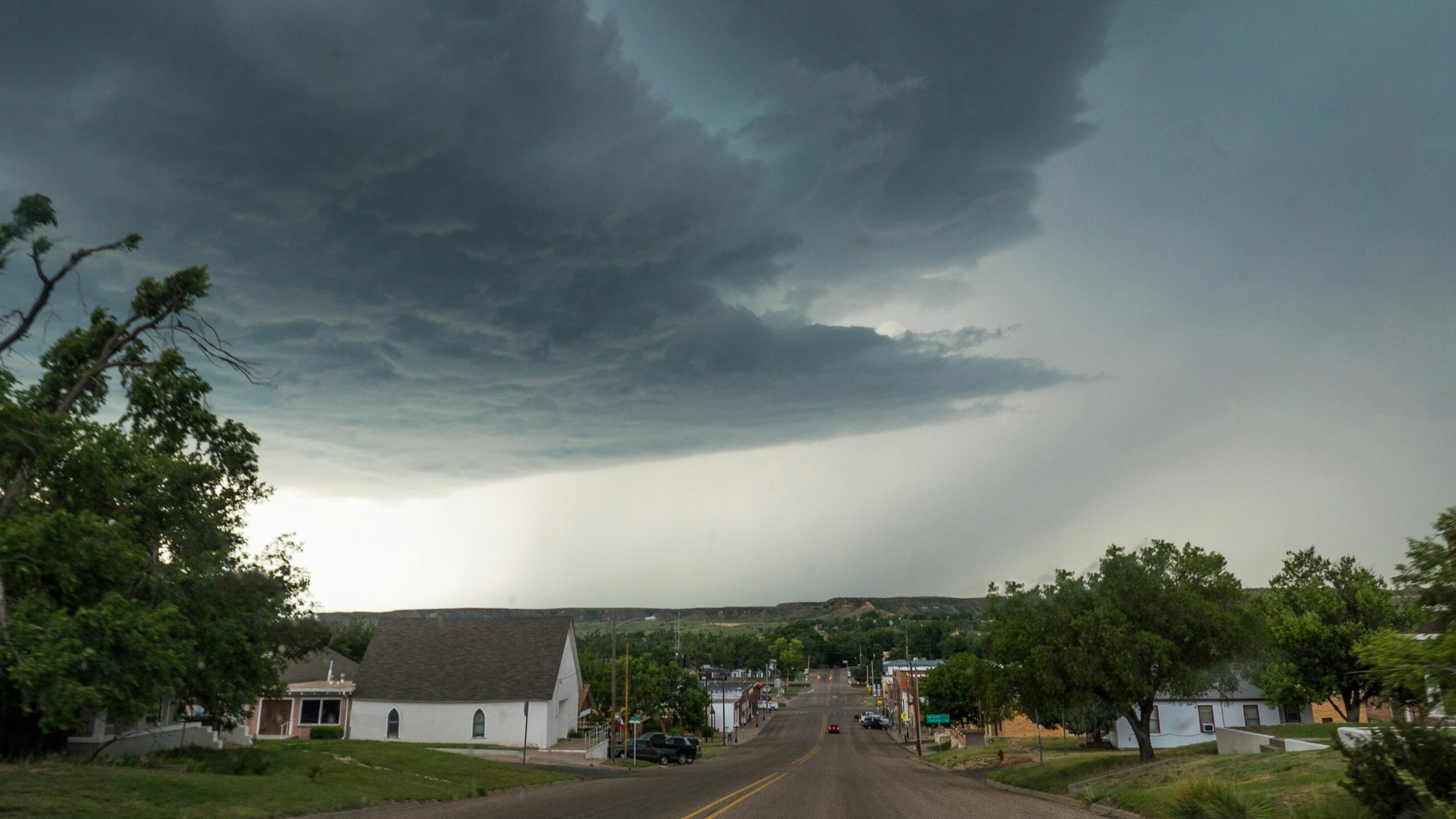
Sixty-three counties across three states are running on a different federal tax calendar than the rest of the country this year. After severe storms, tornadoes, and flooding swept through parts of Michigan, Wisconsin, and Mississippi this spring, the IRS announced on July 13 that a long list of federal filing and payment deadlines in those counties has been postponed to November 2, 2026. Tucked into all three relief notices is a second break that gets far less attention: some storm victims may be able to pull money out of retirement accounts without the usual 10% early-withdrawal penalty.
Michigan’s 37 Counties and Wisconsin’s 21: Time to File and Time to Pay
The relief follows federal disaster declarations for storms that began April 10 in Michigan and April 13 in Wisconsin. Timing matters here. Because both disasters struck before the April 15 filing deadline, taxpayers in the covered counties received the fullest version of the relief: more time to file and more time to pay what they owe.
In Michigan, the IRS notice MI-2026-02 covers 37 counties under FEMA declaration 4925-DR, a sweep that runs from Alcona, Alpena, and Presque Isle in the north down through Grand Traverse and Saginaw to Kalamazoo and Washtenaw. Anyone in those counties who had not yet filed a 2025 individual return due April 15 now has until November 2, 2026, to file it and pay the tax. The same date applies to people who were already on a valid extension, to estimated tax payments originally due on or after April 10, and to quarterly payroll and certain excise tax returns normally due April 30 and July 31. The postponement reaches most return types the IRS handles, including individual, corporate, estate and trust, partnership, and S corporation returns.
Wisconsin’s relief works the same way. Notice WI-2026-02 covers 21 counties plus the Oneida Indian Reservation under declaration 4923-DR, and the list includes some of the state’s most populous places: Milwaukee, Waukesha, Racine, Kenosha, Rock, and Brown counties among them. Deadlines falling on or after April 13 and before November 2 are postponed, including the April 15 return and its payment. The relief also covers people whose tax records sit inside a disaster area even if they live outside it, along with qualified relief workers helping in those counties.
Free retirement updates: Miss an enrollment or claim deadline and it may be gone. Our free Retirement Shield newsletter keeps readers ahead of the ones that matter. Get the free newsletter.
Mississippi’s Five Counties: More Time to File, Not to Pay
Mississippi’s version of the relief, notice MS-2026-02, covers Franklin, Lamar, Lawrence, Lincoln, and Wilkinson counties under FEMA declaration 4922-DR, for storms, straight-line winds, tornadoes, and flooding that began May 6. The November 2 date applies there too, but with a narrower reach, because the disaster began after the April filing deadline had already passed.
The IRS says the postponement applies to Mississippians who had a valid extension to file their 2025 individual return. Payments on those 2025 returns were due April 15, before the storms hit, so the notice states plainly that those payments are not eligible for the relief. A balance that was due in April is still due. What does move: estimated tax payments originally due on or after May 6 are postponed to November 2, and quarterly payroll and certain excise returns normally due July 31 get the later date as well. If you live in one of the five counties and owe on your 2025 return, the extra time helps you file cleanly, not pay late.
The Retirement Break: Special Disaster Distributions and Form 8915-F
All three notices carry an identical paragraph on retirement money, and it is worth reading closely. A taxpayer in a covered county “may be eligible to take a special disaster distribution that would not be subject to the additional 10% early distribution tax and that the taxpayer may take into income over three years,” the IRS wrote in each notice. In plain terms, a qualifying withdrawal can skip the penalty that normally hits distributions taken before age 59 and a half, and the income from it can be spread across three years of returns instead of landing on one.
The operative words are “may be eligible.” This is not an automatic benefit that attaches to everyone in the 63 counties. Distributions of this kind are reported on Form 8915-F, Qualified Disaster Retirement Plan Distributions and Repayments, and the IRS adds that affected taxpayers may also be eligible for a hardship withdrawal. The agency’s caution matters just as much as the opportunity: “Each plan or IRA has specific rules and guidance for their participants to follow.” Before touching a 401(k) or IRA, that means a conversation with the plan administrator about what your plan actually allows, and a hard look at whether spending retirement money now is worth the lost growth later.
The New Refund-Window Law Working in the Background
Each notice also points to a recently enacted statute, the Disaster Related Extension of Deadlines Act, Public Law 119-64. Under that law, a disaster-related postponement of a return deadline is treated as an extension when calculating the time limit on claiming a tax refund. That gives affected taxpayers additional room to claim a refund or credit, protection that can matter years from now for anyone in these counties who turns out to be owed money.
Two housekeeping points from the notices round out the picture. Taxpayers with uninsured storm losses can choose to claim them on the return for the year the disaster happened or on the prior year’s return, and the IRS instructs anyone claiming a disaster loss to write the FEMA declaration number on the return: 4925-DR for Michigan, 4923-DR for Wisconsin, and 4922-DR for Mississippi. And if a late-filing or late-payment penalty notice arrives for a deadline that falls inside the postponement window, the IRS says to call the number printed on the notice and have the penalty abated.
This article was produced with AI assistance and reviewed by a human editor. Figures are linked to their primary sources; where a claim could not be verified from the public record, we say so.
More Financial Reading