
Category: Scams & Your Rights
-
Walmart is recalling 165,250 dressers a second time because liquidators kept selling the recalled ones
Mainstays nine-drawer fabric dressers sold at Walmart are back under a federal recall notice — about 165,250 of them — and the complaint this time isn’t about a defect in the furniture. It’s about what happened after the first recall: the U.S. Consumer Product Safety Commission says liquidation companies kept selling drawers that Walmart had…
-
FedEx, UPS and DHL are refunding tariff charges to customers while Target keeps its $994 million
FedEx, UPS and DHL have each told customers they will pass along tariff refunds once the federal government pays the carriers back. Target just banked $994 million from that same refund pool and is not cutting checks to shoppers with it. Both are legal, and both trace back to the same February court ruling —…
-

The IRS is warning about fake calculators built around the new tax law’s deductions
Fake tax-refund calculators are circulating online this year, dressed up to look like legitimate tools for the new Working Families Tax Cuts deductions — and the IRS says some of them exist only to collect personal and financial information. The agency’s fact sheet on the scheme, FS-2026-09, lays out how the fake tools work and…
-
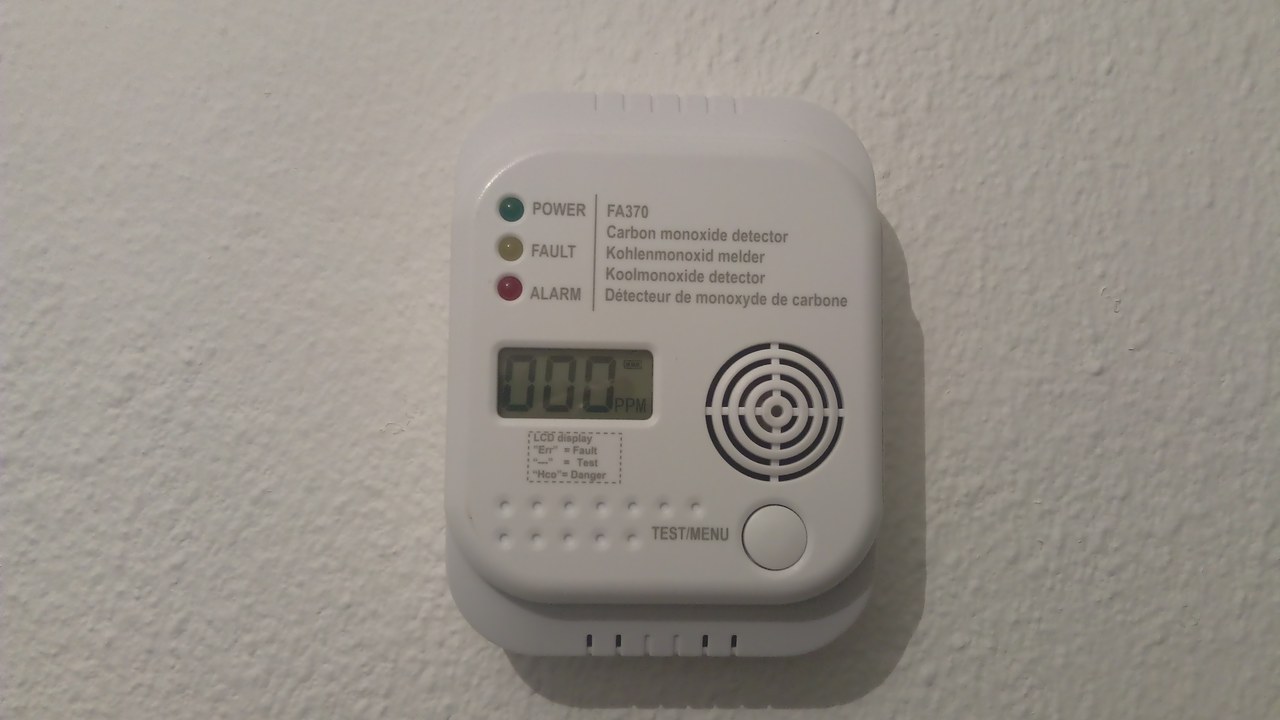
Nearly 377,000 carbon monoxide detectors can fail to sound, and the maker has not agreed to recall them
A federal safety agency is telling nearly 377,000 households to unplug and throw away a combination natural gas and carbon monoxide detector immediately, warning that it may not sound an alarm during a life-threatening gas leak. The U.S. Consumer Product Safety Commission issued the warning on August 20 for the 4-in-1 Plug-In Natural Gas and…
-

Nearly 1.6 million dozen eggs sold under Kroger and Simple Truth labels face a salmonella recall
A recall covering roughly 1.6 million dozen eggs remains in effect at the FDA’s highest risk level, and cartons tied to it could still be sitting in refrigerators across Texas, Louisiana, Oklahoma, Arkansas, New Mexico and Mississippi. The eggs, sold under the Kroger and Simple Truth store brands along with several smaller regional labels, carry…
-
Renters can claim from a $359.9 million settlement over software that helped set their rent
Millions of renters signed a lease without ever hearing the name RealPage, yet the software the company sold to their landlord may have played a direct role in setting the number on that lease. A sprawling antitrust case accused RealPage and a long list of major property managers of using shared, software-driven pricing recommendations to…
-

John Deere will pay $99 million to owners who paid for equipment repairs since 2018
Farmers who needed a Deere-brand tractor or combine repaired have spent years complaining that only an authorized dealer could do the job, even for routine work a local independent shop was equipped to handle. A federal antitrust lawsuit turned that complaint into a $99 million cash settlement, plus interest, covering anyone who paid for repair…
-

Hyundai and Kia owners can claim up to $350 from a $62 million airbag settlement
An airbag that doesn’t deploy in a crash isn’t a minor defect, and that’s the allegation behind a nationwide settlement covering millions of Hyundai and Kia vehicles built over more than a decade. Lawsuits consolidated into multidistrict litigation in California alleged that certain airbag control units, made by ZF-TRW and installed across a range of…
-

The FBI warns of a phishing trick that survives a password change
A federal cybersecurity warning issued this week describes a scam that keeps working even after a victim does the one thing security advice always recommends: changing the password. The FBI’s Internet Crime Complaint Center says cyber actors have been quietly gaining lasting access to people’s email and messaging accounts by tricking them into approving a…
-

The FTC warns veterans about postcards promising money from a savings program that does not exist
Veterans across the country are opening their mailboxes to find postcards promising extra money every month through something called the “Veterans Savings Program.” The Federal Trade Commission wants people to know that program doesn’t exist. It’s a mail-based phishing scheme built to sound official enough that a veteran calls the number printed on the card,…